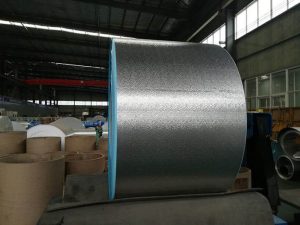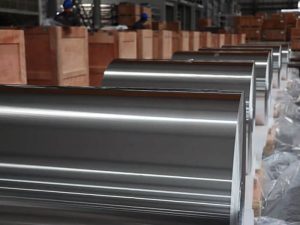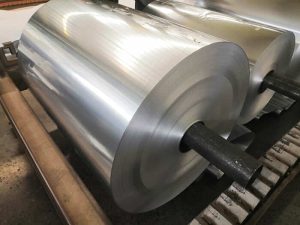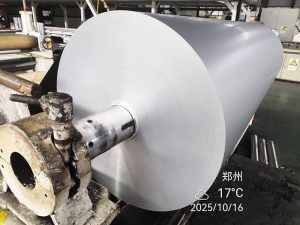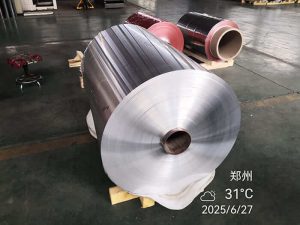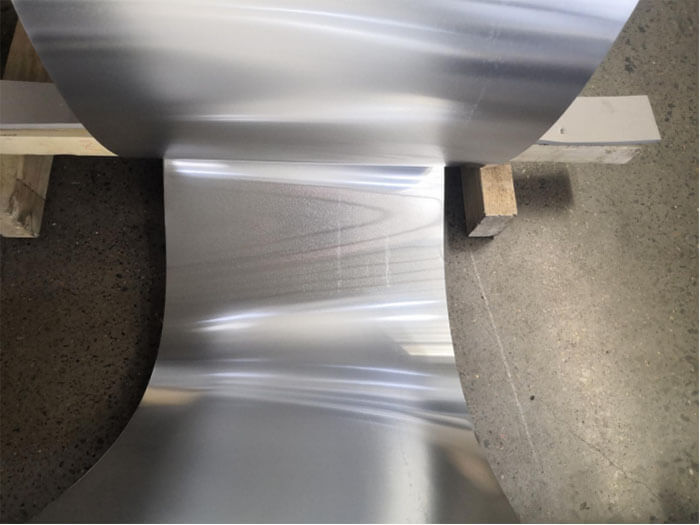
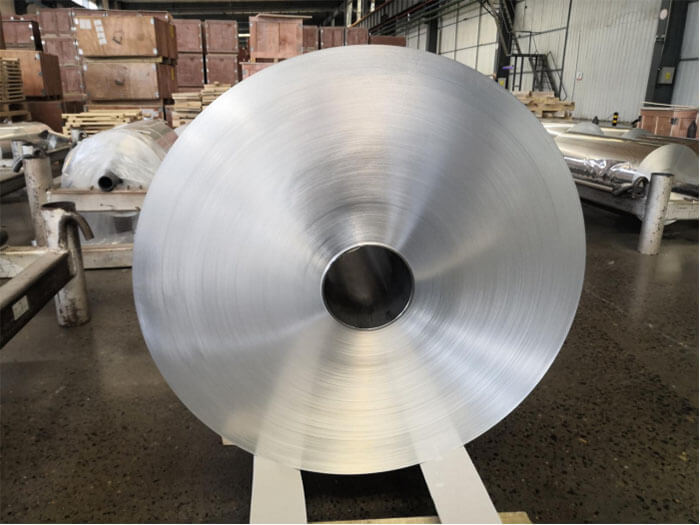
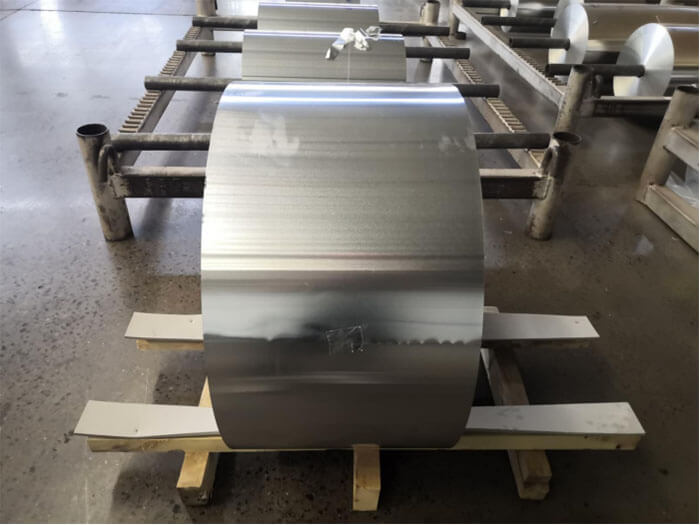
Battery shell aluminum foil plays a pivotal role in modern battery technology, particularly in lithium-ion batteries, nickel-metal hydride batteries, and other high-performance energy storage systems.

Where to Use Aluminum Foil for Battery Cases
Aluminum foil is employed in the construction of battery cases for:
- Lithium-ion Batteries: For their lightweight, high energy density, and flexibility.
- Nickel-Metal Hydride Batteries: Offering a robust alternative for applications requiring high discharge rates.
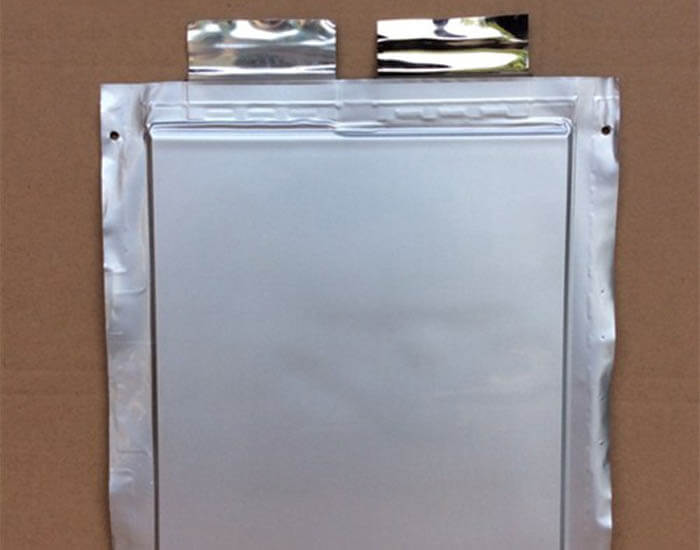
- Other Battery Types: Including pouch batteries and square battery casings.
The foil serves as a protective layer within the battery casing, preventing the ingress of moisture and oxygen, which could degrade battery performance over time.
Why Use Aluminum Foil for Battery Cases?
- Corrosion Resistance: Aluminum naturally forms an oxide layer, providing excellent resistance to corrosion, which is crucial for maintaining the integrity of the battery case.
- Conductivity: Aluminum’s high electrical conductivity ensures efficient current flow, enhancing battery performance.
- Lightweight and Ductile: Its properties allow for easy shaping and forming, accommodating various battery designs.
- Thermal Management: Aluminum helps in dissipating heat, preventing overheating and ensuring safety and longevity.
Types of Battery Aluminum Foil
Here are some common types of aluminum foil used in batteries:
- Plain Aluminum Foil: High-purity, uncoated foil for basic conductivity and mechanical support.
- Coated Aluminum Foil: Enhanced with coatings like carbon or polymer for improved conductivity, adhesion, and chemical stability.
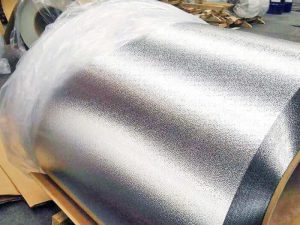
- Textured Aluminum Foil: Features a textured surface to increase the electrochemical reaction area, improving battery capacity.
- Ultra-Thin Aluminum Foil: For lightweight and flexible batteries, with thicknesses as low as a few micrometers.
- Laminated Aluminum Foil: Multiple layers bonded for enhanced strength and resistance to mechanical damage.

Comparison of Aluminum Foil Alloys:
| Alloy |
Temper |
Tensile Strength (Mpa) |
Elongation (%) |
Thickness Tolerance (mm) |
| 1235 |
H18 |
170-200 |
≥1.2 |
±3% |
| 1060 |
H18 |
165-190 |
≥1.2 |
±3% |
| 1070 |
H18 |
≥180 |
≥1.2 |
±3% |
Advantages of Battery Aluminum Foil
- Excellent Physical Properties: High conductivity and corrosion resistance extend battery life.
- Soft and Easy to Process: Simplifies electrode manufacturing, reducing costs.
- Protects Current Collectors: Enhances battery stability by preventing mechanical and chemical damage.
Mechanical Properties and Electrical Resistance
- Tensile Strength: Varies by alloy and temper, typically ranging from 150 to 200 N/mm².
- Elongation: Ensures flexibility and resistance to breakage.
- Electrical Resistance: Decreases with increasing thickness, from 0.55 Ω.m at 0.0060 mm to 0.25 Ω.m at 0.16 mm.
Table: Electrical Resistance by Thickness
| Thickness (mm) |
Resistance (Ω.m) |
| 0.0060 |
0.55 |
| 0.0070 |
0.51 |
| 0.0080 |
0.43 |
| 0.0090 |
0.36 |
| 0.010 |
0.32 |
| 0.11 |
0.28 |
| 0.16 |
0.25 |
Quality Requirements for Battery-Grade Aluminum Foil
- Surface Uniformity, Cleanliness, and Smoothness: Ensures optimal performance and longevity.
- No Rolling Defects: Prevents issues like creases and stains that could impact battery life.
- Consistent Color: Prevents variations that might affect battery consistency.
- No Oil Contamination or Stains: Maintains cleanliness for optimal performance.

Manufacturing Process of Battery Aluminum Foil
- Casting: Aluminum is melted and cast into blocks or logs.
- Hot Rolling: Reduces thickness at high temperatures.
- Cold Rolling: Further reduces thickness at room temperature.
- Annealing: Enhances flexibility and strength.
- Finishing: Trimming, surface treatment, and quality control.
- Slitting and Packaging: Prepares the foil for distribution.
Frequently Asked Questions about Battery Case Aluminum Foil
- Can any aluminum foil be used for battery cases? No, specific alloys and specifications are required for optimal performance.
- How does aluminum foil contribute to battery safety? By providing corrosion resistance, aiding in thermal management, and ensuring consistent conductivity.
- What should I do if I notice corrosion on the aluminum foil? Investigate the root cause and consider using more resistant alloys or protective coatings.
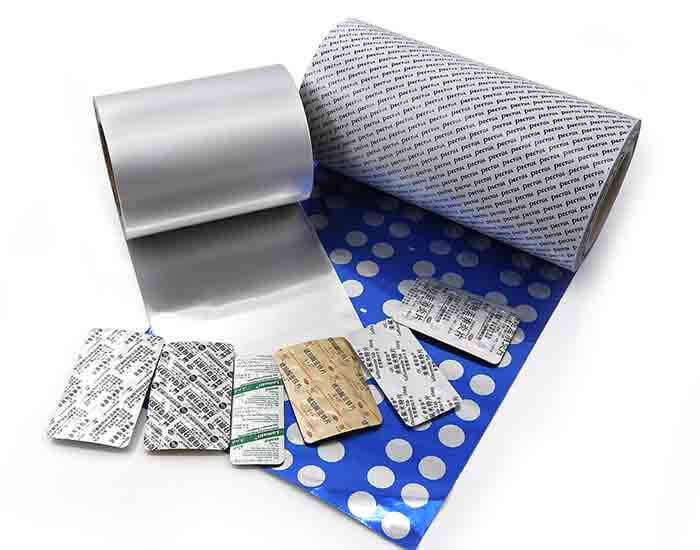
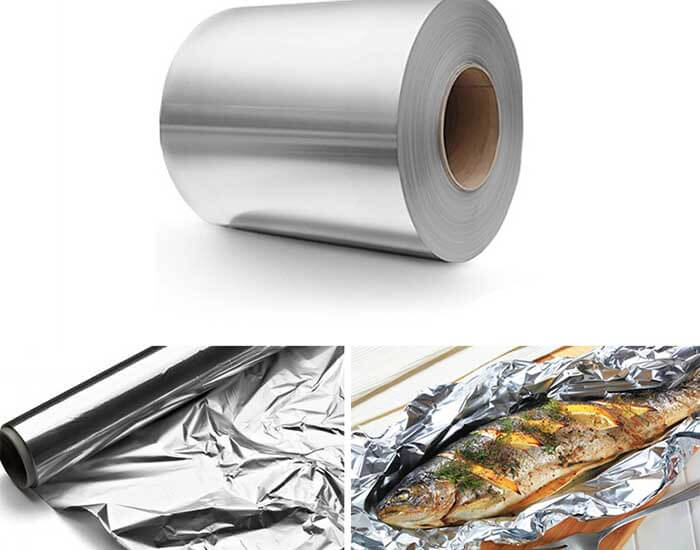
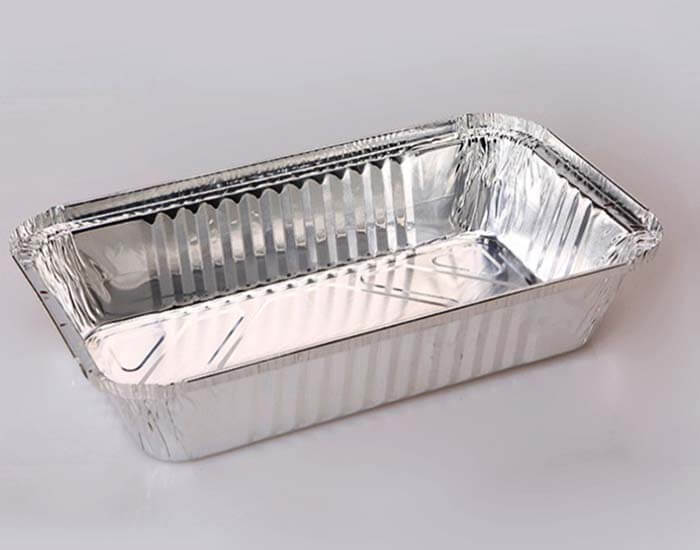
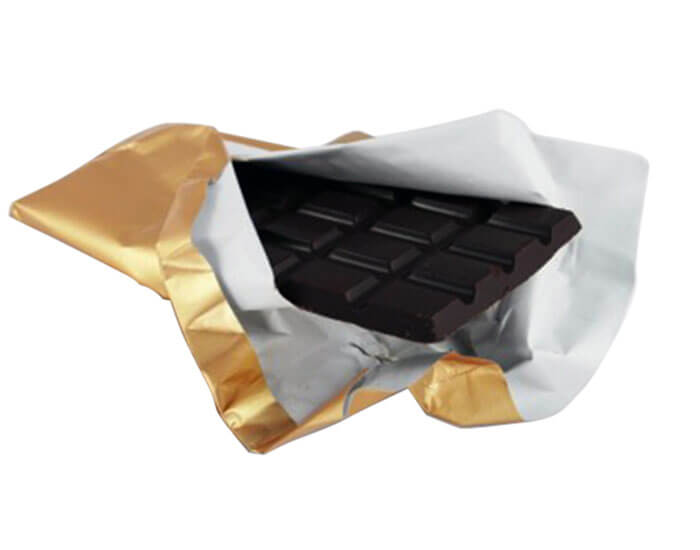
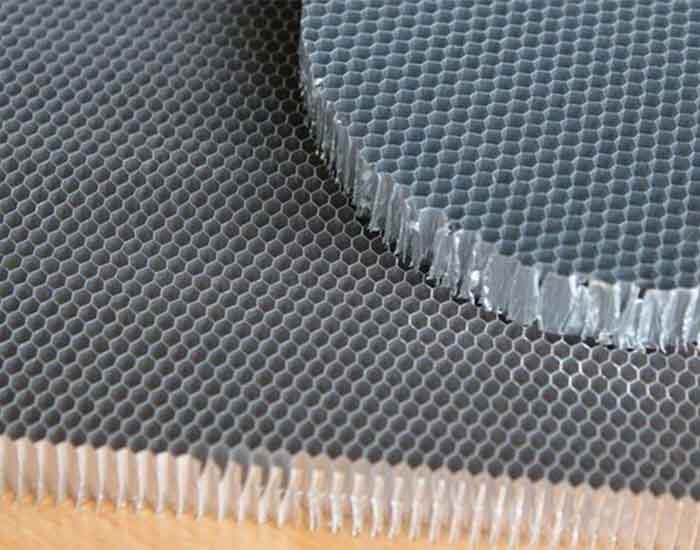
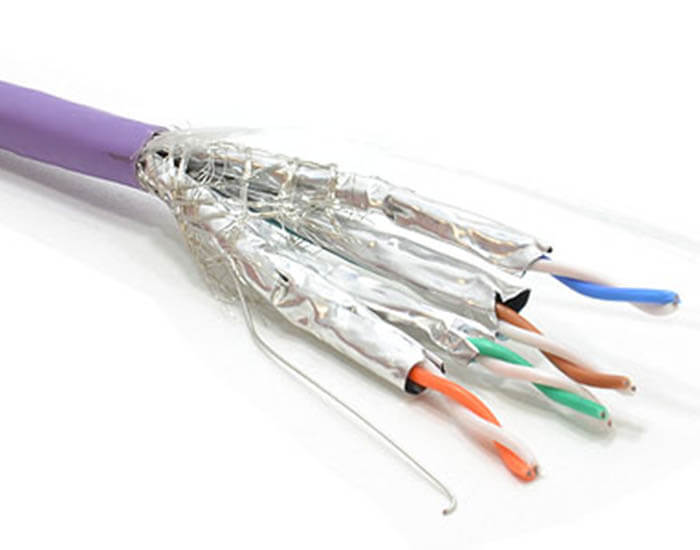
Our aluminum foil products are used in a wide variety of industries and applications, including packaging, automotive, construction, electronics and household. Here are some examples of applications:

The applications of aluminum foil
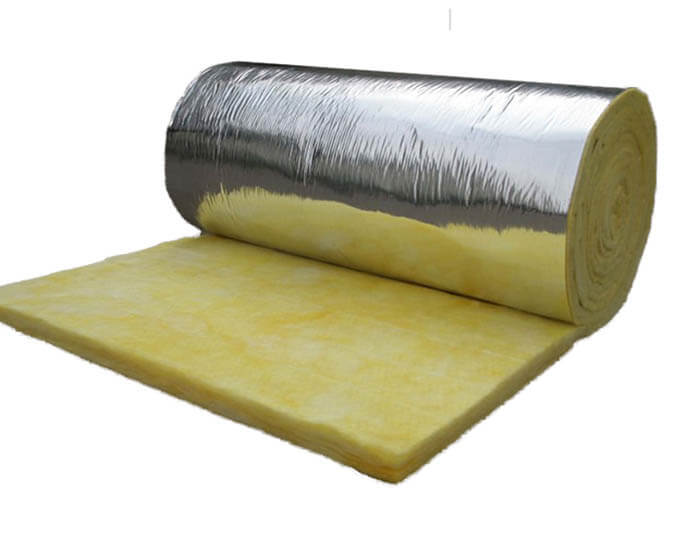
Aluminum foil for thermal insulation
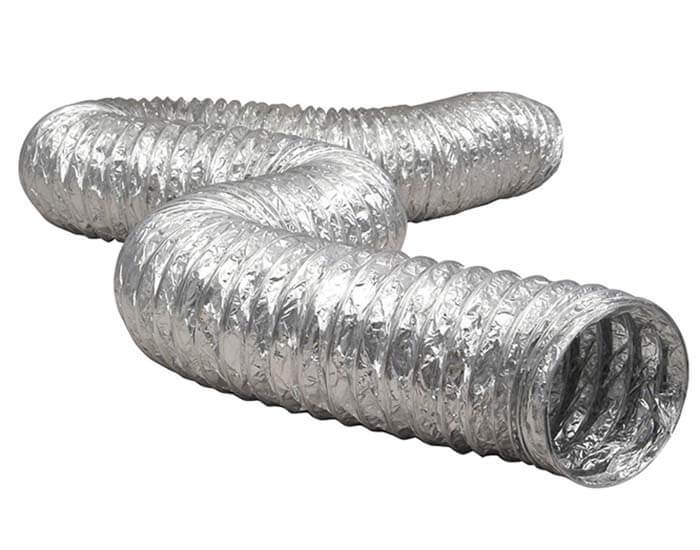
aluminum foil duct
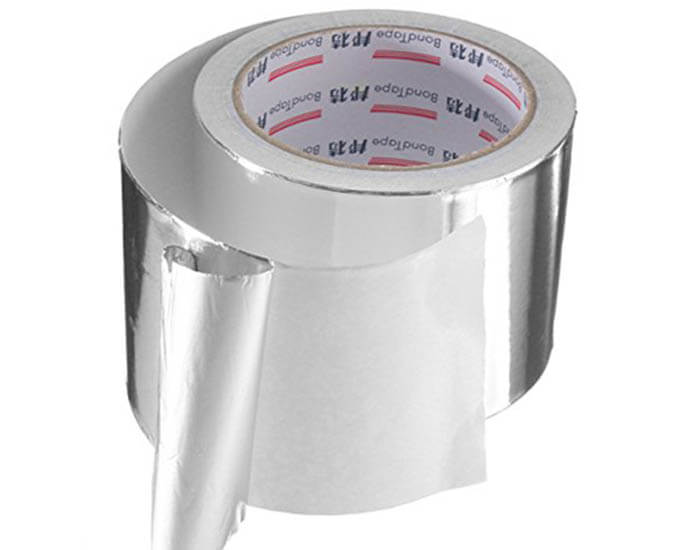
Aluminum Foil Tape
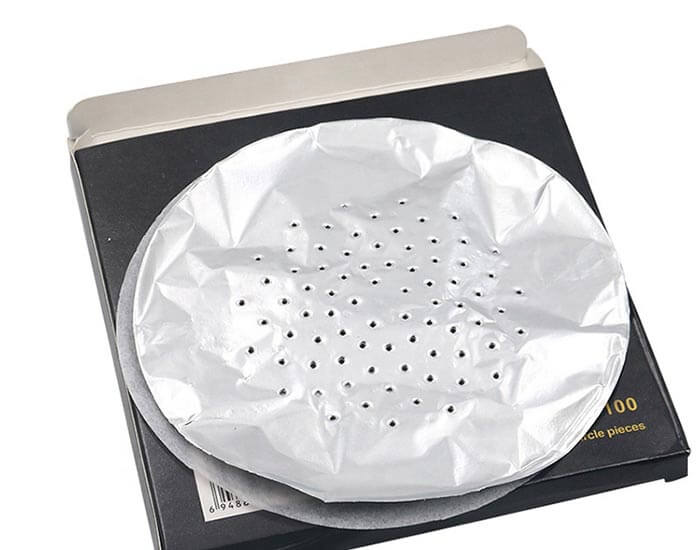
hookah aluminum foil

hair aluminum foil
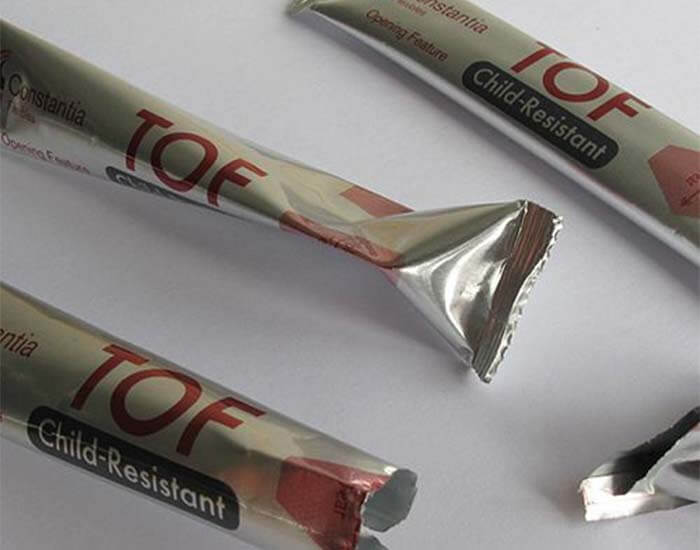
Aluminum foil for food flexible packaging

The packaging process of aluminum foil jumbo rolls

Container loading at the port