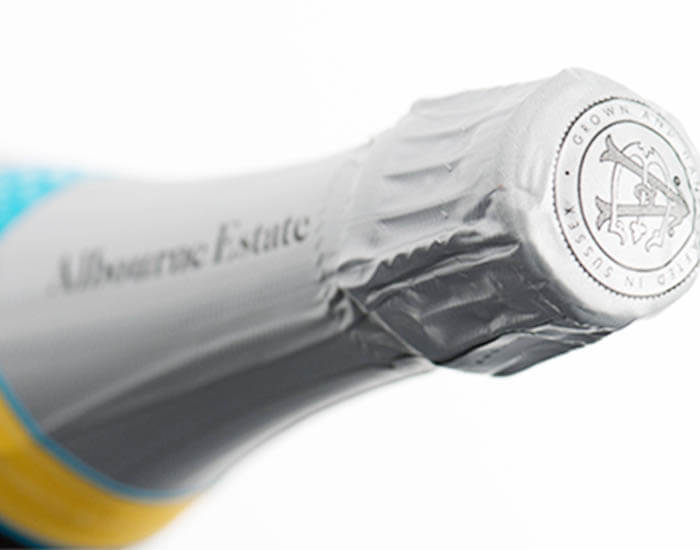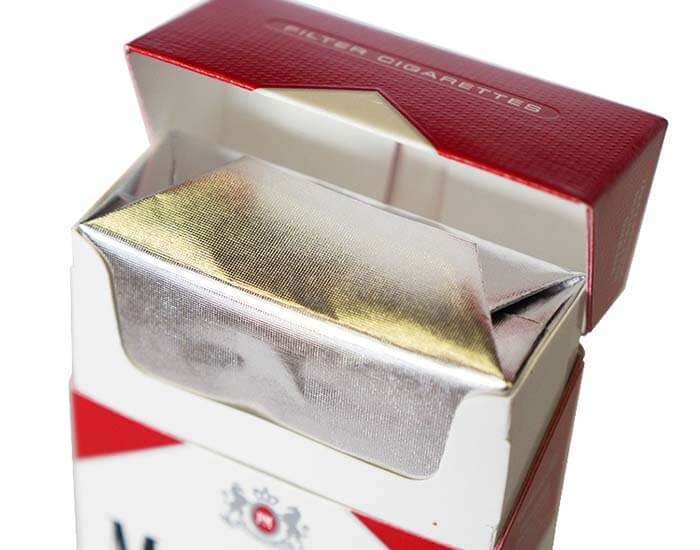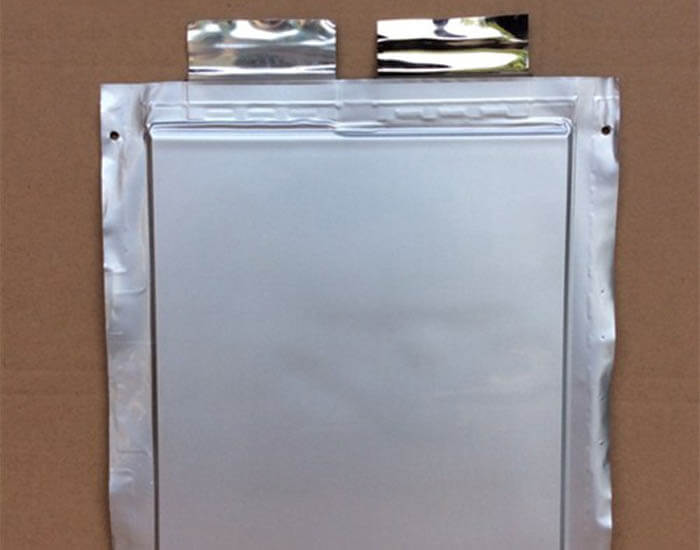
| Specification | Details |
| Alloy Series | 8011, 3003, 1235 |
| Temper Options | H22, H24, H26 |
| Thickness Range | 0.03 mm – 0.20 mm |
| Width Range | 200 mm – 1600 mm |
| Coating Options | Plain, color-coated, or lubricated |
| Tensile Strength | 100 MPa – 150 MPa |
| Elongation | ≥ 3% |
| Certifications | FDA, SGS, ISO9001, HACCP |
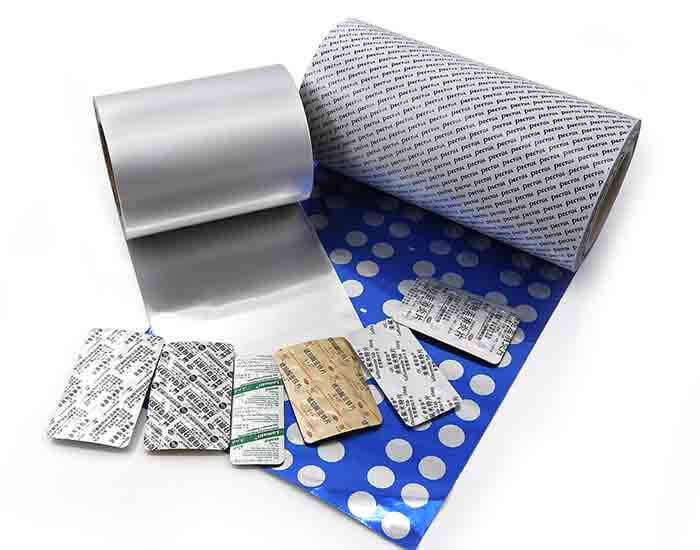
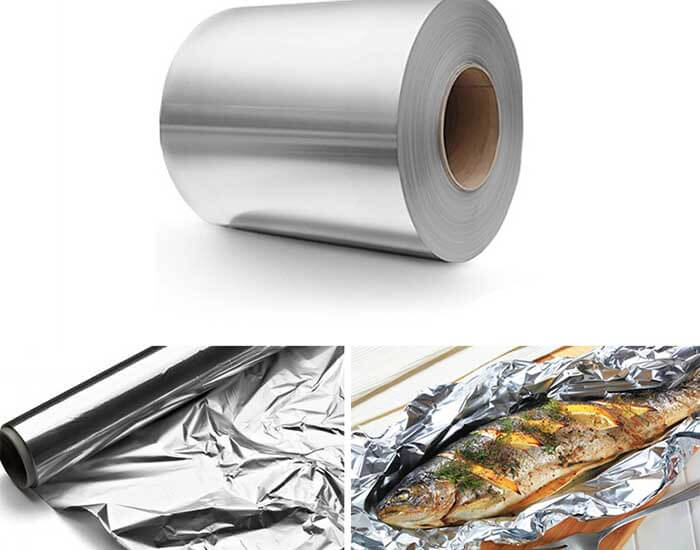
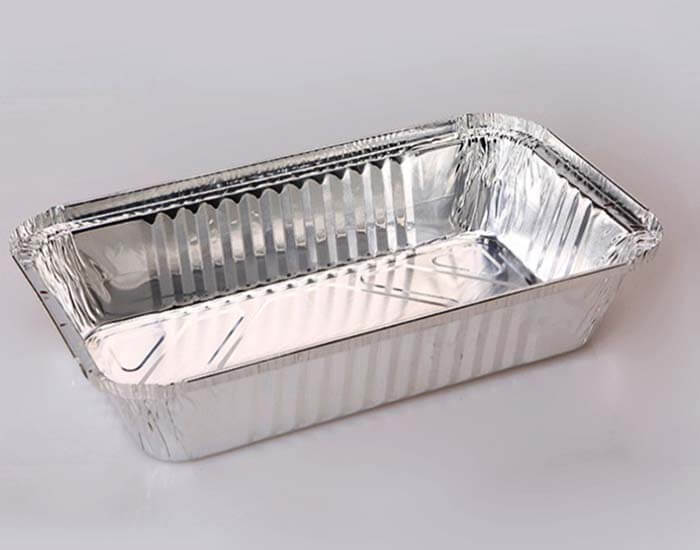
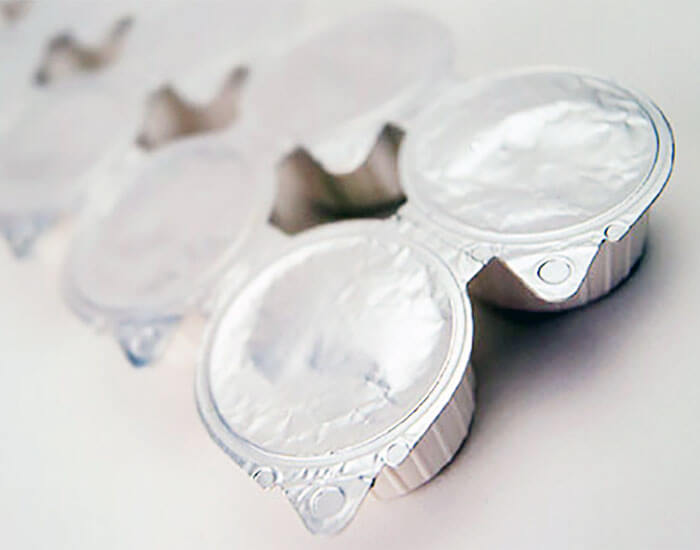
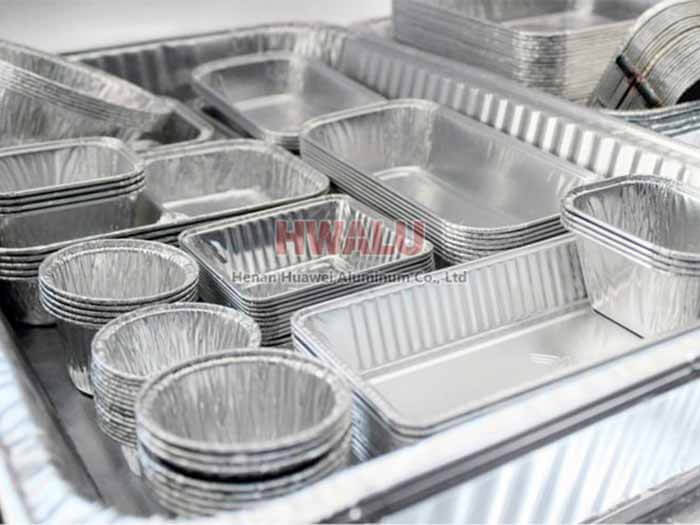
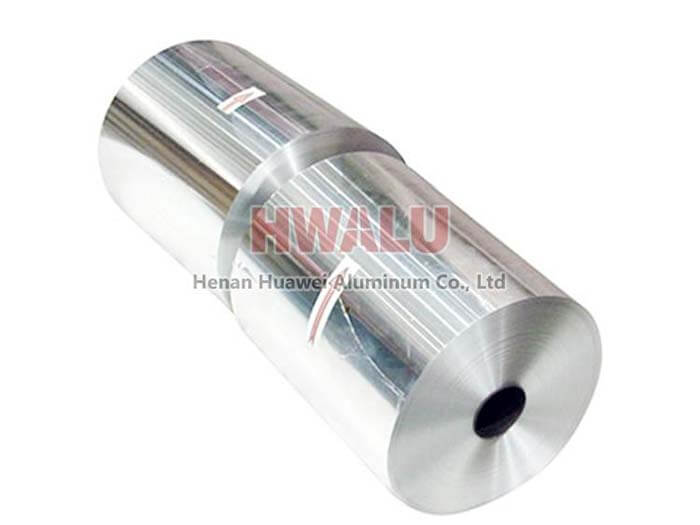
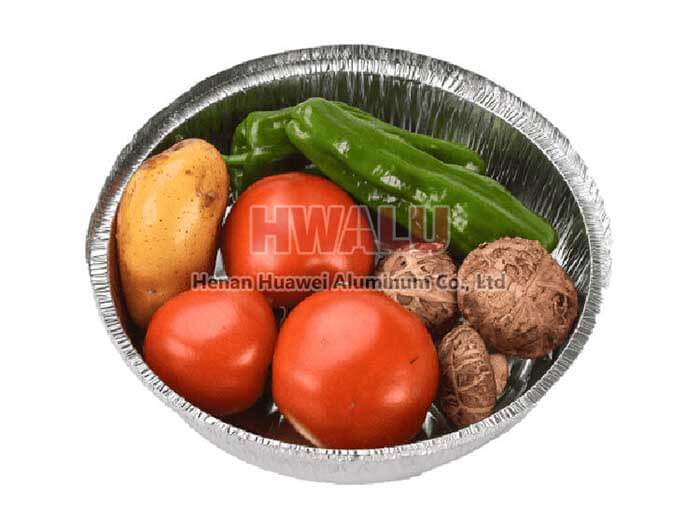
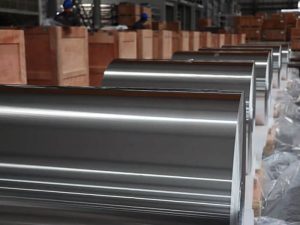
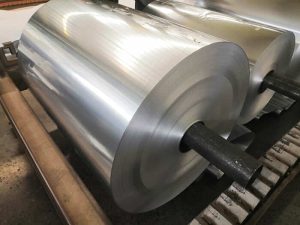
Aluminum foil is an indispensable material in the modern food packaging industry, especially for aluminum foil trays used in cooking, baking, and food storage. As a trusted factory and wholesaler, Huasheng Aluminum specializes in producing high-quality aluminum foil tailored to meet the diverse requirements of tray manufacturing.
Aluminum foil used in the production of trays possesses specific characteristics that make it ideal for this application:
| Property | Details |
|---|---|
| Alloy and Temper | Commonly made from 8011, 3003, or 1235 aluminum alloys in H22, H24 temper. |
| Thickness | Typically ranges from 0.03 mm to 0.20 mm. |
| Surface Finish | Available in plain, embossed, or coated finishes. |
| Formability | Excellent flexibility and moldability for shaping into various tray designs. |
| Food Safety | Non-toxic, odorless, and compliant with food-grade certifications. |

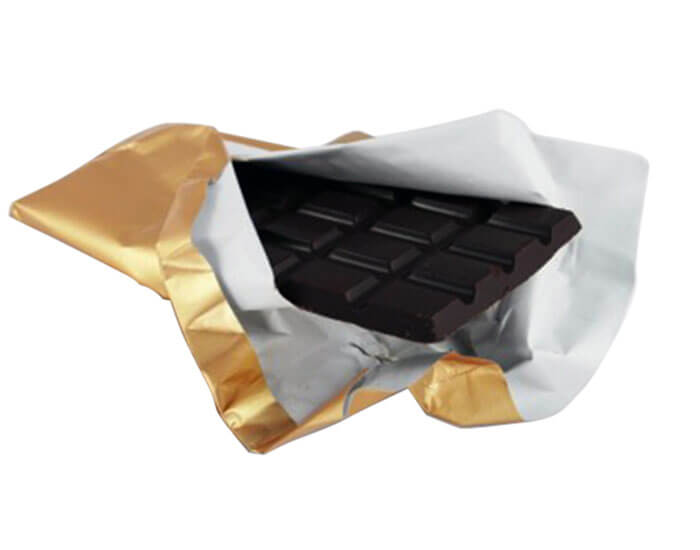
Aluminum foil trays have become a staple in the food packaging and catering industries due to their versatility. Below are some common applications:

Here is a detailed overview of the technical specifications of aluminum foil for trays:
| Specification | Details |
| Alloy Series | 8011, 3003, 1235 |
| Temper Options | H22, H24, H26 |
| Thickness Range | 0.03 mm – 0.20 mm |
| Width Range | 200 mm – 1600 mm |
| Coating Options | Plain, color-coated, or lubricated |
| Tensile Strength | 100 MPa – 150 MPa |
| Elongation | ≥ 3% |
| Certifications | FDA, SGS, ISO9001, HACCP |

| Feature | Aluminum Foil | Plastic Containers | Paper Trays |
| Heat Resistance | Excellent | Poor | Moderate |
| Recyclability | 100% recyclable | Limited | Recyclable |
| Barrier Properties | Superior | Weak | Weak |
| Durability | High | Moderate | Low |
| Cost | Moderate | Low | Low |
1. Is aluminum foil safe for food use?
2. Can aluminum foil trays be used in a microwave?
3. How can aluminum foil trays be recycled?
4. What thickness of aluminum foil is ideal for trays?
The production of aluminum foil for trays involves several key steps:
Using aluminum foil for trays contributes to environmental sustainability:
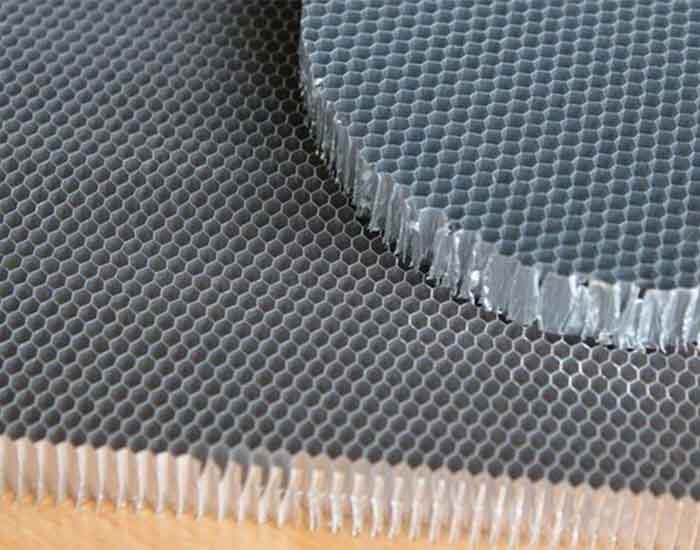
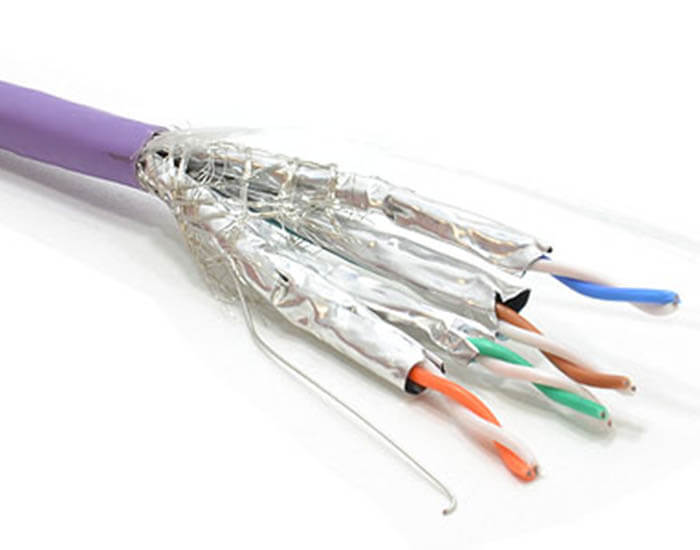
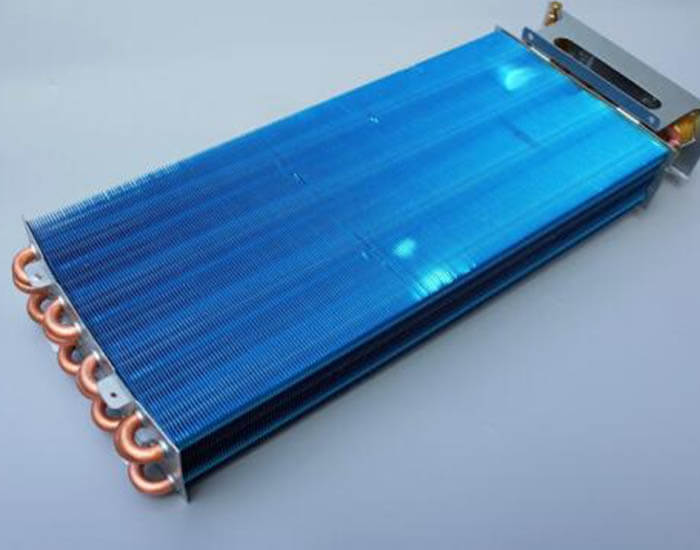
Our aluminum foil products are used in a wide variety of industries and applications, including packaging, automotive, construction, electronics and household. Here are some examples of applications:

The applications of aluminum foil
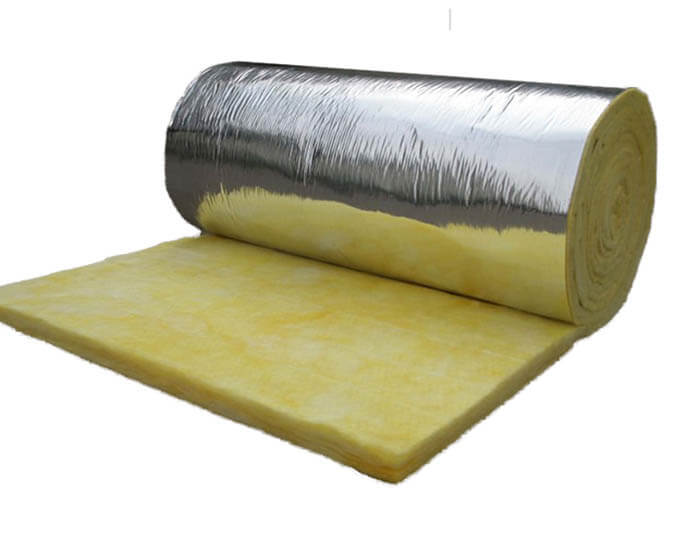
Aluminum foil for thermal insulation
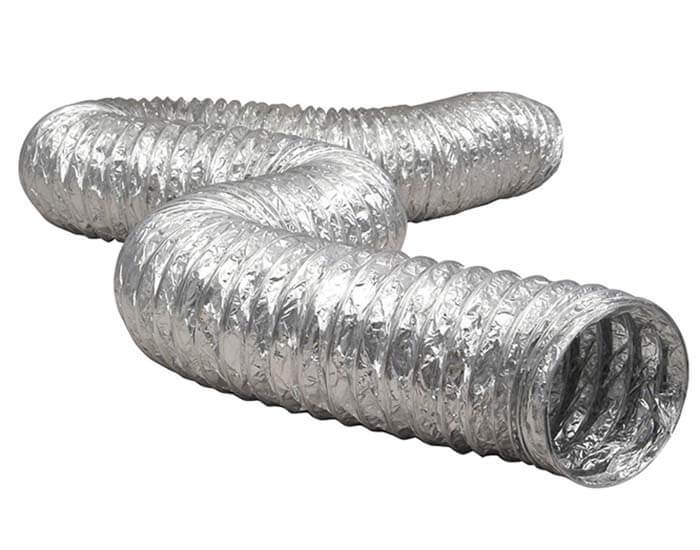
aluminum foil duct
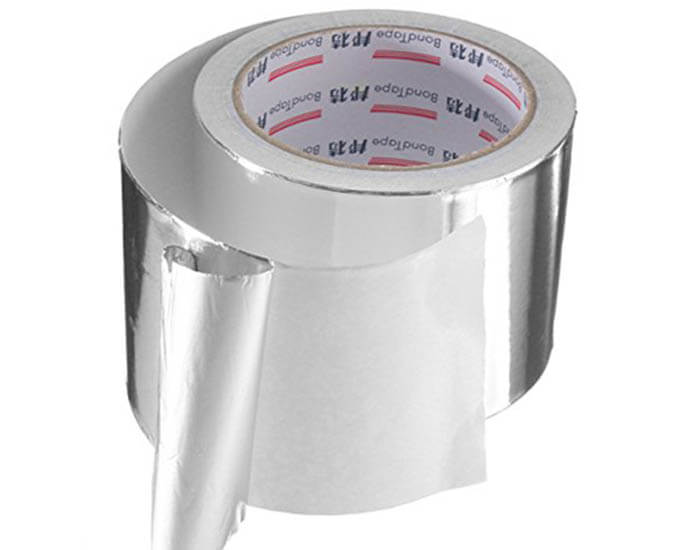
Aluminum Foil Tape
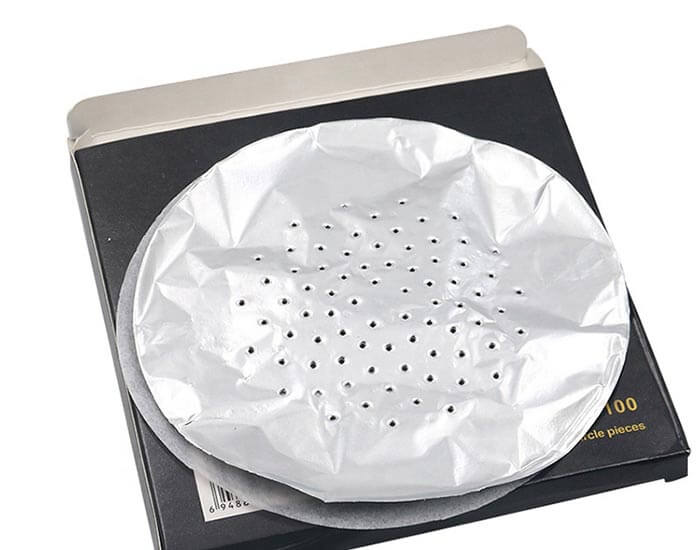
hookah aluminum foil

hair aluminum foil
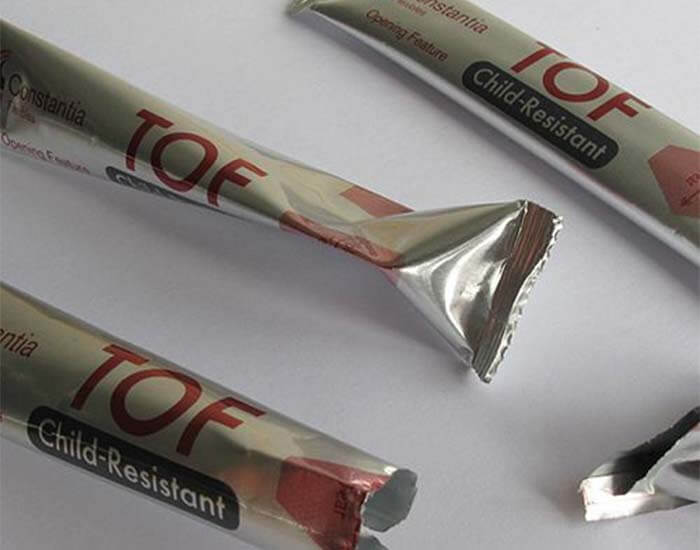
Aluminum foil for food flexible packaging

The packaging process of aluminum foil jumbo rolls

Container loading at the port
1. Introduction 3003 aluminu……
1. Introduction As industrie……
Introduction In the world of……
8011 H18 blister aluminum fo……
Introduction to 1050 Epoxy C……
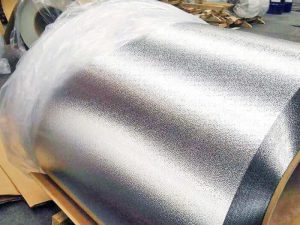
1. Introduction 8011 Embosse……

Henan Huasheng Aluminum Co., Ltd (HHALU for short), established in 2001, is located in Huiguo Town, the famous Aluminum capital of Henan Province, It's a professional manufacturer and engages in the research, development, production, sales and service of aluminum sheet plate, aluminum coil, aluminum foil, aluminum strip and aluminum circle.
In addition, HHALU also sell aluminum plate for construction and ships, aluminum mirror plate, and automotive aluminum alloy plate.
No.53, Dongming Road, Zhengzhou, Henan, China
Copyright © Huasheng Aluminum 2025. All rights reserved.