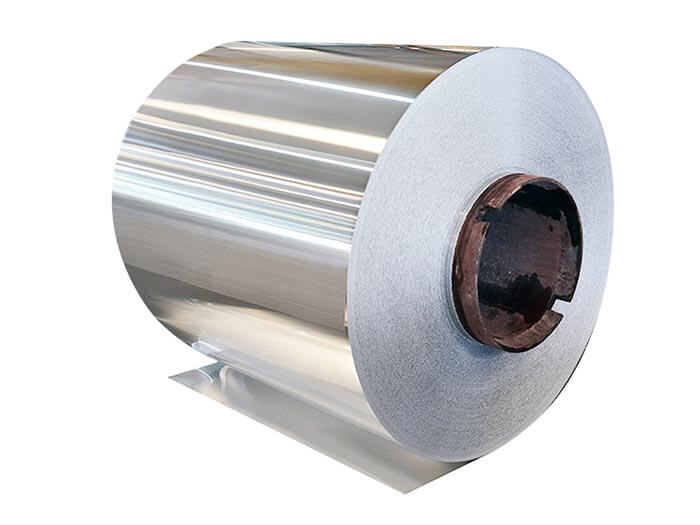
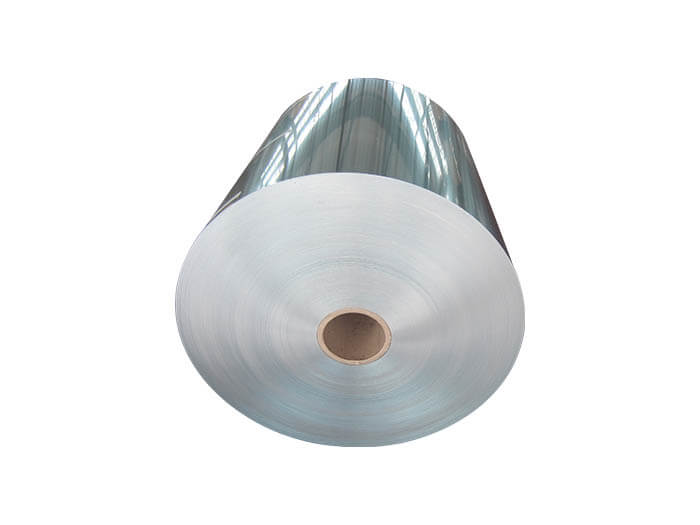
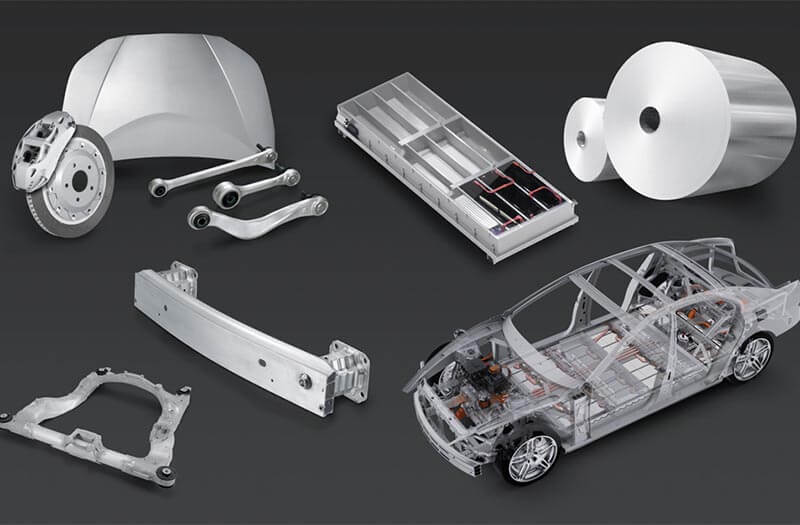
Aluminum coils have become an essential material in modern manufacturing, particularly in the automotive and specialized vehicle industries. Their unique combination of lightweight, high strength, and excellent corrosion resistance makes them ideal for a wide range of applications.
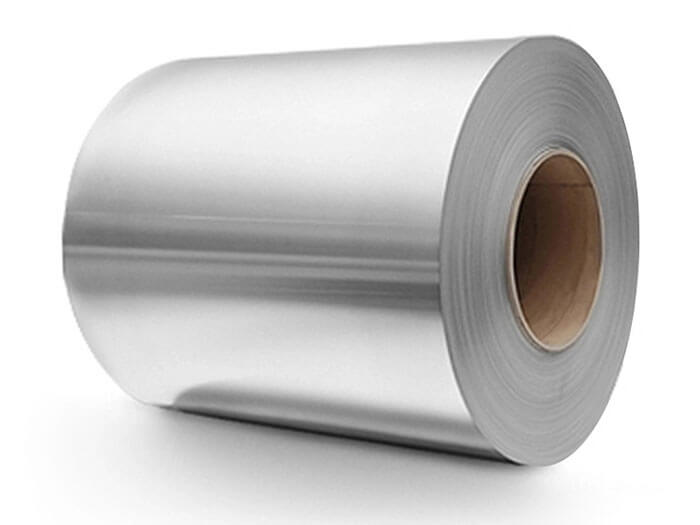
Aluminum coil is a versatile rolled product that has not yet been processed by a leveling flying shear. It serves as the raw material for both aluminum strips and sheets. Through slitting equipment, aluminum coils can be cut into strips, while flattening equipment can transform them into sheets. This flexibility makes aluminum coils a fundamental component in various manufacturing processes.
Aluminum coils are categorized based on their alloy composition, surface treatments, and specific applications. Understanding these classifications is crucial for selecting the right material for specialized vehicles and parts.
1. Classification by Alloy Elements
Aluminum coils are grouped into series based on their primary alloying elements. Each series offers distinct properties and is suited for specific applications.
| Series | Alloy | Features | Applications |
|---|---|---|---|
| 1000 | 1050, 1060, 1070, 1100 | High purity (99%+), excellent conductivity, low strength | Electrical components, decorative parts, general industrial use |
| 3000 | 3003, 3004, 3104, 3105 | Al-Mn alloys, good formability, corrosion resistance | Automotive parts, heat exchangers, marine applications |
| 4000 | 4004, 4045, 4047 | High silicon content, low melting point, good fluidity | Brazing materials, heat exchangers, automotive radiators |
| 5000 | 5052, 5083, 5182, 5754 | Al-Mg alloys, excellent corrosion resistance, weldability | Marine, automotive, aerospace, construction |
| 6000 | 6061, 6082 | Al-Mg-Si alloys, good balance of strength and formability | Automotive frames, structural components, consumer goods |
| 8000 | 8011, 8079 | Al-Mn-Si alloys, excellent formability, packaging applications | Food packaging, electrical conductors, household items |
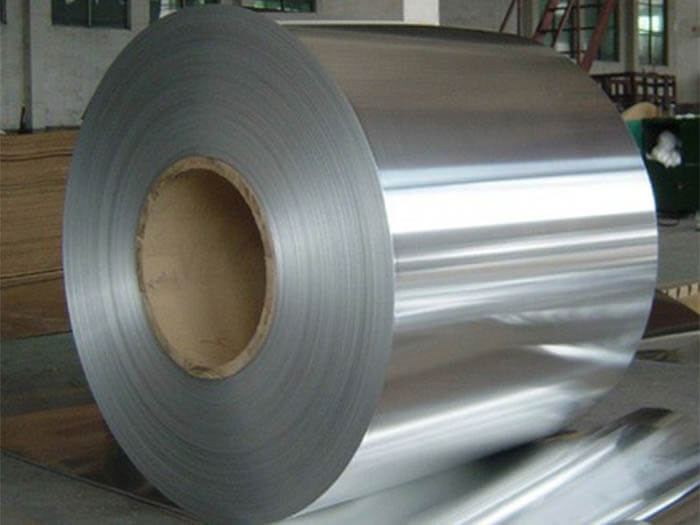
2. Classification by Surface Treatment
Surface treatments enhance the durability, appearance, and functionality of aluminum coils. Common treatments include:
3. Classification by Usage Scenario
Aluminum coils are also categorized based on their end-use applications, particularly in specialized vehicles and parts.
The versatility of aluminum coils makes them indispensable in the manufacturing of specialized vehicles and parts. Here are some key applications:
Aluminum coils offer several advantages that make them ideal for specialized vehicles and parts:
At Huasheng Aluminum, we pride ourselves on providing high-quality aluminum coils tailored to meet the specific needs of specialized vehicles and parts. Our extensive range of products includes:
Our commitment to quality, innovation, and customer satisfaction makes Huasheng Aluminum the ideal partner for all your aluminum coil needs.
1. Introduction 3003 aluminu……
1. Introduction As industrie……
Introduction In the world of……
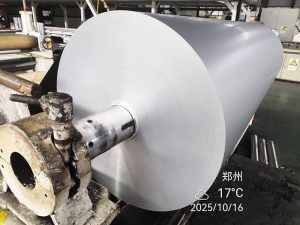
8011 H18 blister aluminum fo……
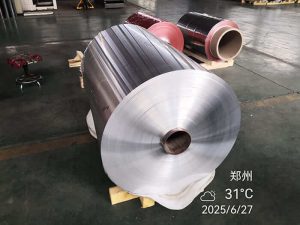
Introduction to 1050 Epoxy C……
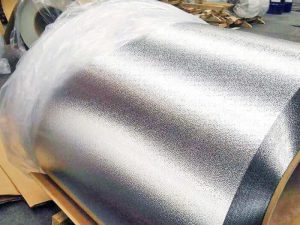
1. Introduction 8011 Embosse……

Henan Huasheng Aluminum Co., Ltd (HHALU for short), established in 2001, is located in Huiguo Town, the famous Aluminum capital of Henan Province, It's a professional manufacturer and engages in the research, development, production, sales and service of aluminum sheet plate, aluminum coil, aluminum foil, aluminum strip and aluminum circle.
In addition, HHALU also sell aluminum plate for construction and ships, aluminum mirror plate, and automotive aluminum alloy plate.
No.53, Dongming Road, Zhengzhou, Henan, China
Copyright © Huasheng Aluminum 2025. All rights reserved.
