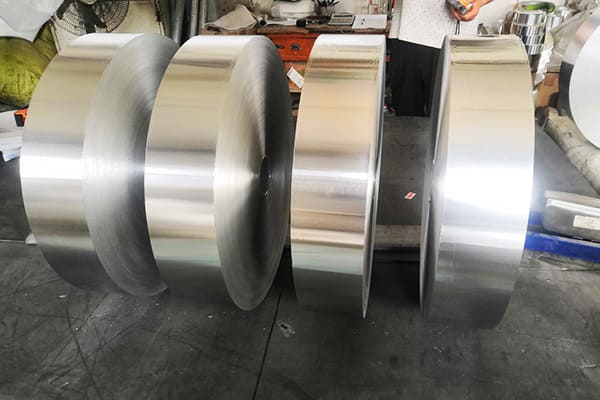
| Property | Specification |
|---|---|
| Alloy Grades | 8011, 8021, 8079, 1235, ETC |
| Thickness | 0.006mm – 0.2mm (±5% tolerance) |
| Width | 50mm – 1600mm (customizable) |
| Temper | O, H22, H24, H44 |
| Coating Types | PVDF, PE, Polyester |
| Standards | ASTM B209, GB/T3198, EN546 |
Packaging plays a pivotal role in preserving product integrity, extending shelf life, and ensuring consumer safety. Among the myriad packaging materials, aluminum foil has long been recognized for its exceptional barrier properties. However, its inherent inability to create a cohesive, hermetic seal through heat alone necessitated the development of composite structures. This led to the innovation of heat sealable aluminum foil – a material that marries the impermeable nature of aluminum with a specialized heat-activated polymer coating.
First introduced commercially in the mid-20th century, heat sealable aluminum foil revolutionized packaging by enabling reliable, tamper-evident seals for a vast array of products.
From preventing moisture ingress in pharmaceuticals to retaining freshness in food, its versatility and performance are unmatched.
This article dissects the intricate science behind this ubiquitous material, detailing its constituent layers, manufacturing complexities, performance metrics, and widespread applications.
Heat Sealable Aluminum Foil
The efficacy of heat sealable aluminum foil stems from the synergistic properties of its two primary components: the aluminum substrate and the heat-seal layer.
The foundation of heat sealable foil is aluminum foil itself, selected from specific alloy families optimized for packaging applications:
| Alloy Series | Composition | Typical Applications | Key Properties |
|---|---|---|---|
| 8011 | Al-Fe-Si (0.6–1.0% Fe, 0.5–0.9% Si) | General packaging, lidding | Good formability, cost-effective |
| 8021 | Al-Fe-Si (0.5–1.0% Fe, 0.3–0.7% Si) | Cold forming, deep drawing | Superior elongation (13–18%), low pinholes |
| 8079 | High purity Al-Fe-Si | High-barrier pharmaceutical | Excellent corrosion resistance |
| 1235 | ≥99.35% Al purity | Flexible packaging, lamination | Maximum purity, electrical conductivity |
| 3003 | Al-Mn (1.0–1.5% Mn) | Industrial applications | Higher strength, moderate formability |
Temper Selection:
Thickness Specifications:
| Application | Typical Thickness | Rationale |
|---|---|---|
| Pharmaceutical blister lidding | 20–30μm | Push-through performance, cost optimization |
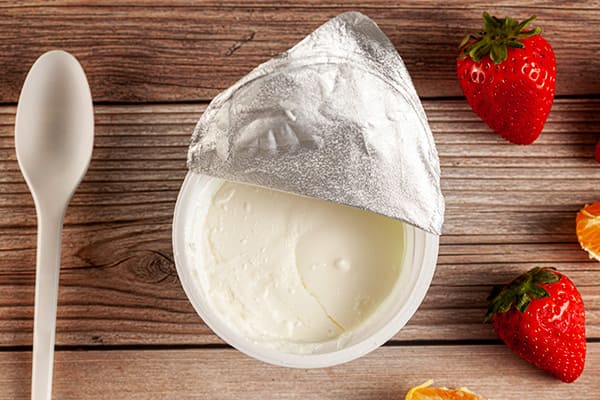
| Yogurt and dairy lids | 30–40μm | Puncture resistance, easy peel |
| Retort pouches | 40–90μm | High-temperature stability, mechanical strength |
| Battery pouches | 40–120μm | Electrolyte resistance, deep drawing |
| Industrial barrier films | 50–150μm | Maximum durability, long-term storage |
Critical Substrate Properties:
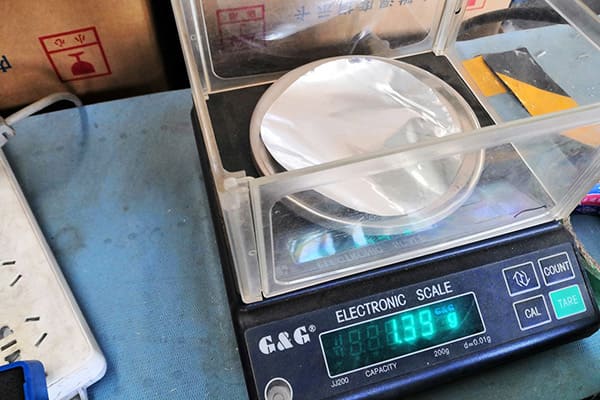
Huasheng Aluminum Foil Quality Control
The heat-seal layer converts aluminum foil into a functional sealing surface.
Its job is to soften or melt under heat and pressure, wet the opposing surface, and then resolidify into a strong bond.
There are three dominant approaches:
The sealant chemistry determines seal initiation temperature, hot-tack behavior, peel characteristics (easy-peel vs permanent), and chemical resistance.
Production begins with alloy melting and casting, followed by hot rolling and multiple cold-rolling stages to reach final gauge.
Controlled annealing establishes the required temper.
Key technical controls include:
Poor control at this stage cannot be fully corrected later by coating.
Before coating or lamination, the foil surface must be conditioned to ensure adhesion. This may include:
Surface preparation is one of the most underestimated but most critical steps in achieving long-term seal reliability.
Seal layers are applied by:
Critical variables:
Post-coating heat treatment stabilizes the seal layer and ensures complete solvent removal or polymer crystallization.
Improper curing can cause blocking, odor issues, or poor seal strength.
Robust quality control includes:
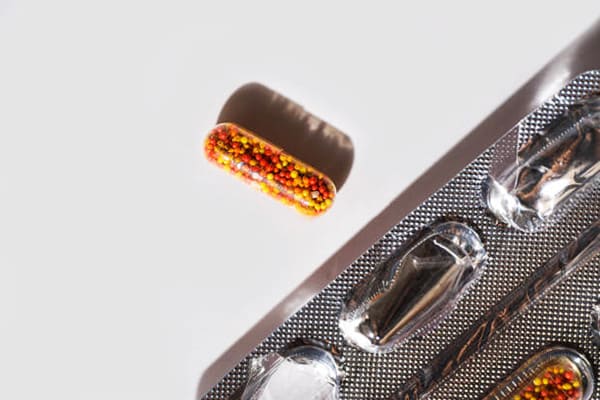
Medical Packaging Used Heat Sealable Aluminum Foil
The combined properties of aluminum and the heat-seal layer result in a material with exceptional performance characteristics:
This is the paramount advantage. Heat sealable aluminum foil provides an unparalleled barrier against:
The heat-seal layer allows for reliable, robust, and tamper-evident closures.
The internal heat-seal layer is chosen for its inertness and resistance to chemical interaction with the packaged product, ensuring product safety and preventing material degradation.
External coatings can provide resistance to environmental factors or provide a printable surface.
The unique combination of properties makes heat sealable aluminum foil indispensable across numerous industries.
Heat Sealable Aluminum Foil for Yogurt Cups
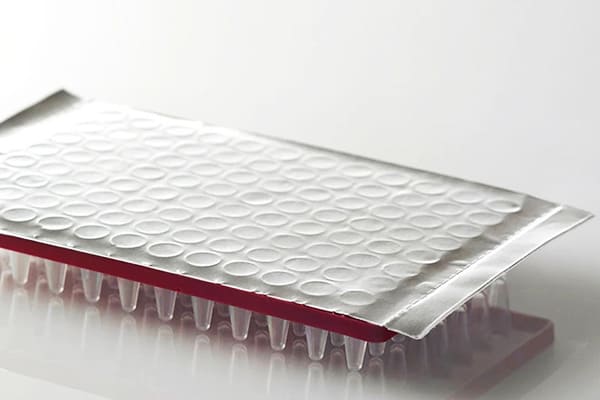
Heat Sealable Aluminum Foil Typical Application
| Comparison Item | Heat-Sealable Aluminum Foil | Extrusion-Laminated Aluminum Foil (PE/PP) | Metallized Plastic Film | Multi-Layer Plastic Film (No Aluminum) |
|---|---|---|---|---|
| Primary Structure | Aluminum foil + heat-seal lacquer (thin coating) | Aluminum foil + thick PE/PP sealant layer | Plastic film with vapor-deposited aluminum | PET / PA / PE or similar polymer stack |
| Typical Total Thickness | 30–50 μm (lidding); 6–12 μm (laminate foil layer) | 45–80 μm (foil + polymer) | 20–40 μm | 50–120 μm |
| Barrier to Oxygen & Light | Excellent (near-absolute barrier) | Excellent (near-absolute barrier) | Moderate (pinholes & thin metal layer) | Low to Moderate (depends on EVOH/PA) |
| Moisture Barrier | Excellent | Excellent | Good | Moderate |
| Heat-Seal Strength | Medium to High (controlled, peelable) | High to Very High (permanent seals) | Medium | High |
| Seal Initiation Temperature | Medium | Medium–High | Low–Medium | Low |
| Seal Window Stability | Good | Very Good (wide process window) | Fair | Very Good |
| Peelability (Easy-Open Control) | Excellent (tunable via lacquer) | Limited (usually permanent seal) | Good | Excellent |
| Mechanical Strength / Puncture Resistance | Medium | High | Low | Medium–High |
| Formability & Dead-Fold | Excellent | Good | Poor | Poor |
| Printability & Graphics Quality | Excellent | Good | Very Good | Very Good |
| Thermal Conductivity | High (metallic) | High (metallic) | Low | Very Low |
| Induction Sealing Compatibility | Yes | Yes | Limited | No |
| Typical Applications | Dairy lids, pharma lidding, tray seals | Retort pouches, induction liners, heavy-duty seals | Snack packs, coffee bags | Stand-up pouches, sachets |
| Food & Pharma Safety | Excellent (low migration systems) | Excellent | Good | Good |
| Recyclability | Medium (Al recyclable, coating challenge) | Low–Medium (polymer-metal composite) | Low | Low–Medium |
| Material Cost Level | Medium | Medium–High | Low | Low |
| Production Line Speed Compatibility | High | Medium–High | Very High | Very High |
| Shelf-Life Performance | Excellent (long shelf-life) | Excellent (long shelf-life) | Moderate | Short to Medium |
At Huasheng Aluminum, the integrity and performance of packaging materials, including heat sealable aluminum foil, are paramount for protecting sensitive electronic components and ensuring the reliability of our global supply chain.
Our Quality Assurance (QA) protocols for packaging materials are integrated into our comprehensive product lifecycle management, from design to delivery.
Huasheng’s approach to heat sealable aluminum foil QA includes:
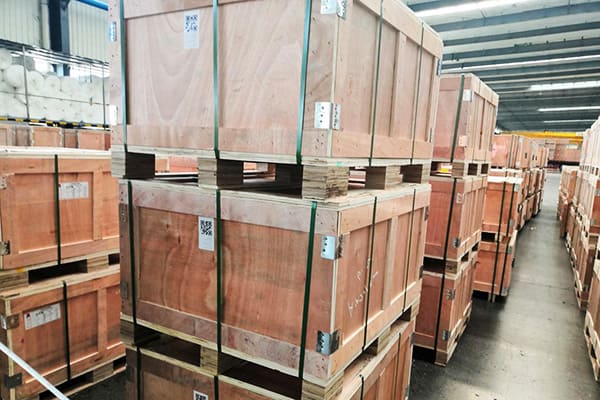
Heat Sealable Aluminum Foil Packaged by Huasheng
Huasheng Standard Product Range:
| Parameter | Specification | Testing Method |
|---|---|---|
| Alloy | 8011, 8021, 8079, 1235 | OES chemical analysis |
| Temper | O, H14, H18, H22, H24 | ASTM E8 mechanical testing |
| Thickness | 0.020–0.150mm | ASTM B479 |
| Width | 100–1,600mm | Precision slitting |
| Coating weight | 3–8 g/m² (standard), up to 20 g/m² (heavy) | Gravimetric |
| Seal strength | 6–16 N/15mm (customizable) | ASTM F88 |
| MVTR | <0.01 g/m²·24h | ASTM F1249 |
| OTR | <0.01 cc/m²·24h | ASTM D3985 |
| Pinholes | ≤3/m² (pharmaceutical grade) | Electrical detection |
To ensure product safety, quality, and performance, the manufacturing and application of heat sealable aluminum foil are governed by various international and national standards and certifications. Adherence to these guidelines is crucial for credibility and market acceptance.
Heat sealable aluminum foil stands as a cornerstone of modern packaging, providing an unparalleled combination of barrier protection and sealing integrity.
Its sophisticated multi-layer structure, meticulously engineered from high-purity aluminum and advanced polymer coatings, ensures products are shielded from moisture, oxygen, light, and contaminants.
This material has revolutionized how we preserve food, safeguard pharmaceuticals, and protect sensitive industrial components, enabling extended shelf life, enhanced safety, and greater consumer convenience.
While alternative packaging solutions exist, none offer the comprehensive, absolute barrier performance of heat sealable aluminum foil, particularly in demanding applications.
As industries evolve, the focus on sustainability drives innovation towards thinner gauges, recyclable sealant layers, and more environmentally benign manufacturing processes, ensuring that heat sealable aluminum foil remains a vital component in the future of packaging.
The unwavering commitment to stringent quality assurance and adherence to global industry standards underscore its continued reliability and authoritative position in the market.
Q1: What is the primary function of the heat-seal layer on aluminum foil?
A1: The heat-seal layer, typically a thermoplastic polymer, enables the aluminum foil to form a strong, hermetic, and tamper-evident seal when exposed to heat and pressure. This creates a secure closure for packaging, protecting the product inside.
Q2: How does heat sealable aluminum foil provide a better barrier than metallized films?
A2: While metallized films offer good barrier properties, they are created by vapor-depositing a thin layer of aluminum onto a polymer, which can be susceptible to pinholes or damage from flexing. Solid aluminum foil, even at thin gauges (e.g., 9-12 µm), provides an absolute barrier to gases, water vapor, and light due to its continuous metallic structure, making it superior for critical barrier applications.
Q3: Is heat sealable aluminum foil recyclable?
A3: The aluminum component itself is 100% recyclable. However, when combined with polymer heat-seal layers, the resulting multi-material laminate can be challenging to recycle in conventional streams due to the difficulty of separating the layers. Innovations are ongoing to develop more easily separable laminates or alternative mono-material high-barrier solutions.
Q4: What is the “sealing window” in the context of heat sealable foil?
A4: The sealing window refers to the range of temperature, pressure, and dwell time within which a heat sealable material can consistently form a strong and reliable seal. A wider sealing window indicates greater flexibility and robustness in the packaging process.
Q5: Why is heat sealable aluminum foil crucial for pharmaceutical packaging?
A5: It is critical for pharmaceuticals because it offers an unparalleled barrier against moisture, oxygen, and light, which can degrade active pharmaceutical ingredients (APIs), reducing their efficacy or even making them harmful. This protection extends shelf life and ensures drug stability and safety, particularly in blister packs and unit-dose sachets.
1. Introduction 3003 aluminu……
1. Introduction As industrie……
Introduction In the world of……
8011 H18 blister aluminum fo……
Introduction to 1050 Epoxy C……
1. Introduction 8011 Embosse……

Henan Huasheng Aluminum Co., Ltd (HHALU for short), established in 2001, is located in Huiguo Town, the famous Aluminum capital of Henan Province, It's a professional manufacturer and engages in the research, development, production, sales and service of aluminum sheet plate, aluminum coil, aluminum foil, aluminum strip and aluminum circle.
In addition, HHALU also sell aluminum plate for construction and ships, aluminum mirror plate, and automotive aluminum alloy plate.
No.53, Dongming Road, Zhengzhou, Henan, China
Copyright © Huasheng Aluminum 2025. All rights reserved.
