| Property | Specifications |
|---|---|
| Alloys | 8011 |
| Thickness | 12 Micron |
| Width | Up to 1,800mm (expandable to 2,300mm for special orders) |
| Temper | O |
| Surface Treatment | PVdC, PET, LDPE, LLDPE Coated |
| MOQ | 3–5 metric tons (flexible for bulk orders) |
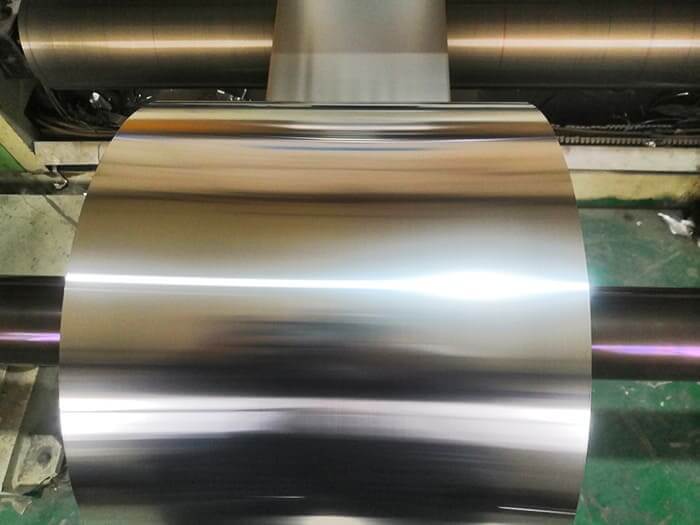
Coated Aluminum Foil 8011 O 12 Micron is a versatile packaging material that sits at the intersection of protection, efficiency, and traceable quality.
In modern supply chains, the demand for reliable barrier properties, food-grade safety, and cost-effective production has driven the use of aluminum foils with specialized coatings.
This post explores Coated Aluminum Foil 8011 O 12 Micron in depth, covering its material basics, coating technologies, performance characteristics, applications, and practical guidance for buyers and engineers.
It also introduces Huasheng Aluminum, a leading supplier with a track record in producing high-quality coated foils that meet international standards.
Whether you’re sourcing foil for food packaging, pharmaceuticals, or industrial uses, this guide aims to give you a clear, data-driven view of what this product can deliver and how to specify it correctly.
Coated Aluminum Foil 8011 O 12 Micron is not simply a thickness value and a coating label. It represents a carefully engineered combination: an 8011 alloy aluminum foil finished in an annealed (O) temper, with a coating system that provides barriers, sealability, printability, and compatibility with downstream processes such as lamination, printing, or heat sealing.
The “12 micron” thickness refers to the foil’s metal layer, which is thick enough to deliver robust puncture resistance and mechanical strength while remaining pliable for wrapping, pouching, and forming.
The coating layer, which can vary by application, adds additional performance characteristics like moisture barrier, oxygen barrier, chemical resistance, and surface energy, enabling reliable adhesion of inks or laminates and compatibility with sterilization or cooking processes.
8011 aluminum foil is a commonly used commercially pure aluminum alloy with minor additions that optimize formability, barrier properties, and surface finish. In foil form, 8011 offers excellent formability, ductility, and adequate barrier performance for many food and consumer product packaging needs.
The alloy family around 8000-series foils is favored for flexible packaging because it provides good puncture resistance, low ash content, and compatibility with various coatings and laminating adhesives.
Coating means applying a polymer, resin, or multilayer barrier system to one or both surfaces of the foil. Common coating functions include:
– Physical barrier enhancement: reduce moisture vapor transmission and oxygen ingress.
– Heat-seal compatibility: coatings can improve seal strength and seal integrity at standard processing temperatures.
– Surface energy modification: improved printability, adhesion for laminates, and paint or lacquer compatibility.
– Chemical resistance: coatings can mitigate interactions with food acids, cleaning agents, or sterilants.
– Barrier customization: multilayer coatings (such as EVOH, PET, or PVdC) tailor the barrier profile for specific products.
The coating system used with Coated Aluminum Foil 8011 O 12 Micron varies by application.
For example, a simple LDPE or PE coat may be used where moderate moisture resistance suffices, while EVOH-containing laminates may be employed for high-barrier snacks or pharmaceutical packaging.
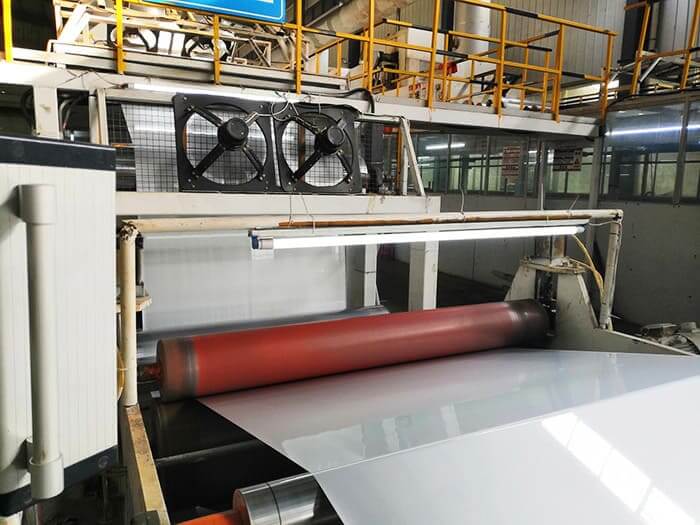
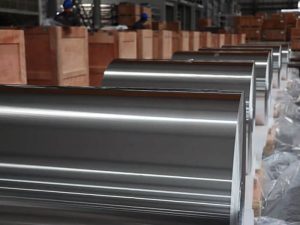
Coated Aluminum Foil 8011 O 12 Micron Production
Table: Comparison of coating types for Coated Aluminum Foil 8011 O 12 Micron
| Coating Type | Primary Benefit | Typical Applications | Key Considerations |
|---|---|---|---|
| PE/LDPE | Good sealability, moisture barrier, cost-effective | Snack pouches, dairy packaging, everyday foods | Moderate gas barrier; straightforward processing |
| EVOH | Excellent oxygen barrier, extends shelf life | High-barrier snacks, coffee, specialty foods | Sensitive to humidity; needs tie-layers and protective laminates |
| PET-laminate | Structural stability, additional barrier; printability | Flexible laminates, beverage or ready-to-eat packaging | Increased processing steps; recycling considerations |
| PVdC | Superior gas barrier, aroma retention | Pharmaceuticals, high-sensitivity foods | Potential recyclability and regulatory considerations; process control needed |
| Lacquer/coating with functional resins | Enhanced surface energy, seal integrity, printability | Printed packaging, label-ready foils | Adhesion and compatibility with inks/laminations must be tested |
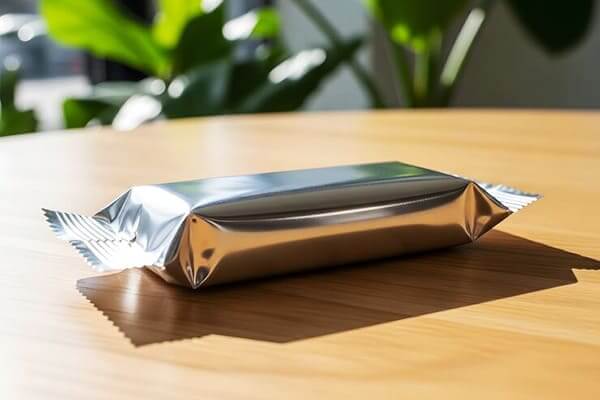
Coated Aluminum Foil 8011 O 12 Micron for Snacks
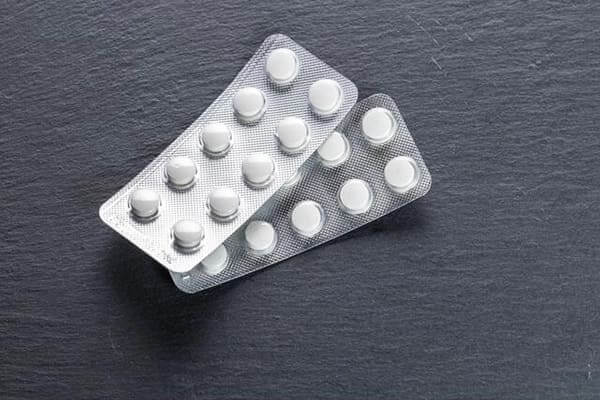
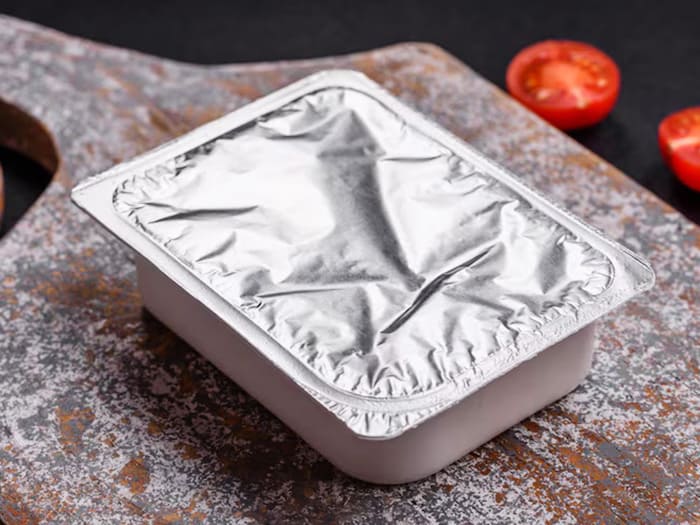
Blister packs used Coated Aluminum Foil
Because performance depends on the exact coating system and process, the following values are representative ranges observed in industry practice.
Buyers should request current technical data from the supplier for specific lots and product SKUs.
Barrier performance (illustrative ranges):
MVTR (moisture vapor transmission rate): typically in the range of 0.1–5 g/m2/day for multilayer laminates, depending on coatings and humidity exposure.
OTR (oxygen transmission rate): EVOH-containing laminates can achieve very low OTR values (e.g., 0.1–100 cm3/m2/day at 23°C and 50% RH), whereas LDPE-only coatings have higher OTR values.
Heat-seal strength:
Typical seal strength for a standard heat-seal process ranges from 4 to 12 N/15 mm, depending on material, thickness, and process settings.
Mechanical properties (foil core 12 micron):
Tensile strength: high enough to resist tearing during packaging operations; typical values are modestly dependent on the base foil thickness and anneal state.
Puncture resistance: adequate for flexible packaging equipment that handles laminated structures; coatings do not dramatically affect the foil’s puncture resistance when thickness is constant.
Temperature performance:
Sterilization compatibility: certain coatings and laminates allow steam sterilization in autoclave processes with maintained barrier integrity; others may degrade if exposed to high temperatures beyond a coating’s tolerance.
A useful way to compare different solutions is by constructing a practical table that aligns your product requirements (barrier, sealability, heat resistance, recyclability, cost) with the coating type and foil thickness.
The following table presents a snapshot that you can adapt for supplier discussions.
Huasheng Aluminum is a recognized producer of aluminum foil and related packaging materials, with a focus on coated foils for food, pharmaceutical, and industrial applications.
The company emphasizes integrated capability, combining advanced rolling mills with modern coating lines and testing laboratories.
Their product portfolio includes a range of aluminum foil alloys, temper states, and coating chemistries designed to meet global standards and customer-specific requirements.
If you’re evaluating suppliers for Coated Aluminum Foil 8011 O 12 Micron, Huasheng Aluminum stands out for its combination of technical capability, process control, and a willingness to align with customer specifications.
Engage with their technical team to review data sheets, test protocols (such as MVTR, OTR, seal strength), and material safety data.
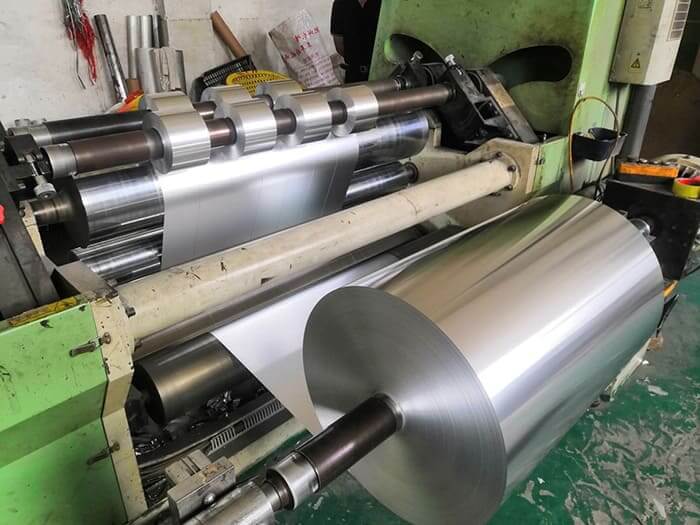
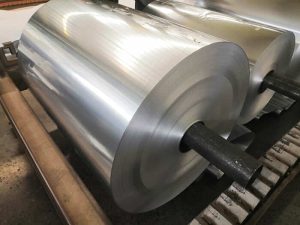
8011 Coated Aluminum Foil Slitting
To ensure you get the exact performance you need, it is essential to specify the product clearly and request comprehensive documentation.
Consider the following best practices when sourcing Coated Aluminum Foil 8011 O 12 Micron:
For robust quality assurance, perform a mix of standard and application-specific tests:
– Visual inspection: check coating uniformity, surface defects, and edge quality.
– Barrier testing: MVTR and OTR tests under relevant humidity and temperature conditions.
– Heat seal testing: evaluate seal strength across a range of sealing temperatures and dwell times typical of your production line.
– Mechanical tests: tensile strength, elongation, and puncture resistance tests to ensure the foil remains intact during handling.
– Adhesion testing: verify that your laminates’ adhesives bond to the coated surface without delamination.
– Food contact safety testing: migration tests per applicable regulations and supplier certifications.
In practice, you’ll want to collect testing data for the specific film stack you’ll use with your packaging line.
A well-documented test plan helps you compare supplier options objectively and reduces the risk of late-stage changes in packaging performance.
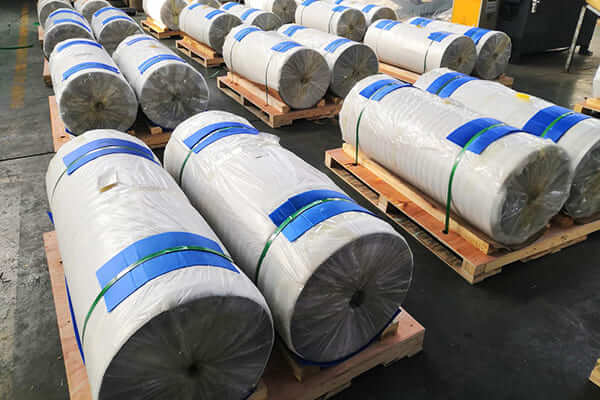
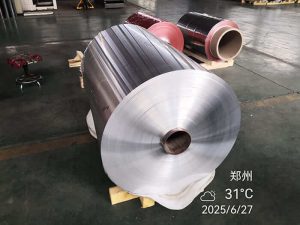
Huasheng Packaged 8011 Coated Aluminum Foil
A quick reference can help you decide whether Coated Aluminum Foil 8011 O 12 Micron is the right choice for your product and process.
The table below highlights typical contrasts with common foil alternatives.
Specifics will vary by supplier and coating system, so use this as a starting point for discussions with your packaging team and suppliers.
| Option | Alloy/Temper | Typical thickness | Main advantages | Common limitations | Ideal applications |
|---|---|---|---|---|---|
| Coated Aluminum Foil 8011 O 12 μm | 8011 O | 12 μm | Good formability, reliable heat sealing, customizable barrier with coatings | Requires coating/lamination for high-barrier needs; recycling considerations with multilayers | Snack wraps, dynamic packaging, ready-to-eat meals, pharmaceutical blisters (with approved coatings) |
| 1235-O (or 8079-O) foil | 1235 or 8079 O | Typically 11–20 μm | Strong barrier for certain products; flexible processing | Higher cost for thicker foils; variable coating compatibility | Premium packaging, dairy or high-shelf products |
| 3003 aluminum foil | 3003 O | 7–15 μm range | Excellent formability; low cost | Limited barrier and heat-seal strength compared to coated variants | Simple packaging needs, non-gas-sensitive products |
| PET-laminate and foil composites | Various | Multilayer | Outstanding mechanical properties and barrier when combined with PET or EVOH | Complex recycling; higher processing complexity | High-value packaging with precise shelf-life needs |
| PVdC-barrier foils | Aluminum or flexible substrates with PVdC barrier | Multilayer | Superior aroma and gas barrier | Recycling and regulatory considerations; higher cost | Pharmaceuticals, high-sensitivity foods |
Note: These comparisons reflect typical industry options. When selecting a solution, it’s essential to base decisions on your product’s shelf life, processing conditions (retort, microwave, freezing), printing needs, and end-of-life goals.
Q: What does Coated Aluminum Foil 8011 O 12 Micron mean in practical terms?
A: It means you are looking at a soft, easily formable aluminum foil (8011 alloy) with an annealed finish (O) and a metal thickness of 12 microns, which has one or more polymer coatings or laminates to provide barrier, heat-seal, or surface properties suitable for packaging. The exact performance depends on the coating system.
Q: Can this foil be used for retort or sterilization applications?
A: Some coatings and laminate structures are designed to withstand retort temperatures, but the compatibility must be verified with the specific product and sterilization process.
If retort is critical, request testing data for the particular coating stack and confirm regulatory compliance for your market (e.g., food contact safety and migration limits).
Q: How do I specify barrier requirements for my product?
A: Specify MVTR and OTR targets, humidity conditions, and the product’s storage environment. If the product is sensitive to oxygen or moisture, consider EVOH-containing laminates or PVdC barriers. Always confirm the shelf-life objectives and storage conditions to align the foil’s barrier performance with your packaging goals.
Q: What are common packaging formats for this material?
A: Common formats include pouches, lidding foils, blister pack components, and laminated pouch structures. Depending on the supply chain, it can also serve as a base foil in multilayer laminates for high-barrier packaging.
Q: Is Coated Aluminum Foil 8011 O 12 Micron recyclable?
A: Pure aluminum foil is highly recyclable, but when coated and laminated with polymers or barrier layers, the recyclability becomes more complex.
Some multilayer structures are recyclable in specialized streams, while others are more challenging. Discuss end-of-life considerations with your supplier and your local recycling facilities to determine the best approach.
Coated Aluminum Foil 8011 O 12 Micron embodies a practical balance between mechanical strength, formability, and tailored barrier performance through coating systems.
It is a versatile option for a broad spectrum of packaging needs, especially where a soft foil core (O temper) provides excellent conformity to shapes, combined with coatings that deliver the right level of moisture and gas barrier for shelf-life and freshness.
For manufacturers seeking reliable supply, Huasheng Aluminum offers a compelling profile: a capable supplier with a focus on coated foils, adherence to quality standards, and a readiness to tailor solutions to customer specifications.
Engaging with their technical team can help you translate your product requirements into a validated packaging solution, with documented test data and clear acceptance criteria.
This comprehensive approach will help you leverage the strengths of Coated Aluminum Foil 8011 O 12 Micron while aligning with industry best practices and supplier capabilities.
If you’d like to start a dialog with Huasheng Aluminum about this product, you can begin by requesting their technical data sheet, coating options, and a sample kit for downstream testing.
Share with PDF: Download
1. Introduction 3003 aluminu……
1. Introduction As industrie……
Introduction In the world of……
8011 H18 blister aluminum fo……
Introduction to 1050 Epoxy C……
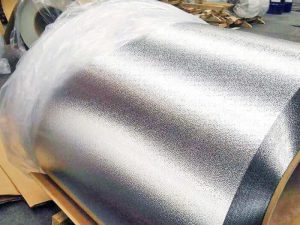
1. Introduction 8011 Embosse……

Henan Huasheng Aluminum Co., Ltd (HHALU for short), established in 2001, is located in Huiguo Town, the famous Aluminum capital of Henan Province, It's a professional manufacturer and engages in the research, development, production, sales and service of aluminum sheet plate, aluminum coil, aluminum foil, aluminum strip and aluminum circle.
In addition, HHALU also sell aluminum plate for construction and ships, aluminum mirror plate, and automotive aluminum alloy plate.
No.53, Dongming Road, Zhengzhou, Henan, China
Copyright © Huasheng Aluminum 2025. All rights reserved.
