| Property | Value |
| Standard | ASTM B209, EN 573-3, EN 485-2, AMS QQ-A-250/11 |
| Thickness | 0.2mm – 500mm |
| Width | Up to 2650mm |
| Length | Up to 7.3m (288″) |
| Temper | O, T4, T5, T6, etc. |
| Surface Finish | Mill, brushed, anodized, powder-coated |
5754 H22 Aluminum Sheet for Boat is a medium-strength aluminum–magnesium alloy sheet widely used in the shipbuilding and marine engineering industry.
It belongs to the 5xxx series of wrought aluminum alloys, in which magnesium (Mg) is the primary alloying element. This alloy offers a well-balanced combination of mechanical strength, excellent resistance to seawater corrosion, and stable processing performance.
The H22 temper means manufacturers strain-hardened the material and then partially annealed it, creating an approximately quarter-hard condition that balances strength and formability.
In modern boat and vessel construction, designers require materials that meet structural strength and safety standards while also supporting lightweight design, durability, weldability, and cost-efficient lifecycles.
Under these demands, builders widely adopt 5754 H22 aluminum sheet for hull structures, superstructures, deck plates, bulkheads, and various marine components in small and medium-sized vessels.
Compared with traditional steel, its lighter weight reduces draft and fuel consumption; compared with higher-strength marine alloys like 5083, 5754 H22 delivers better formability and greater cost efficiency.
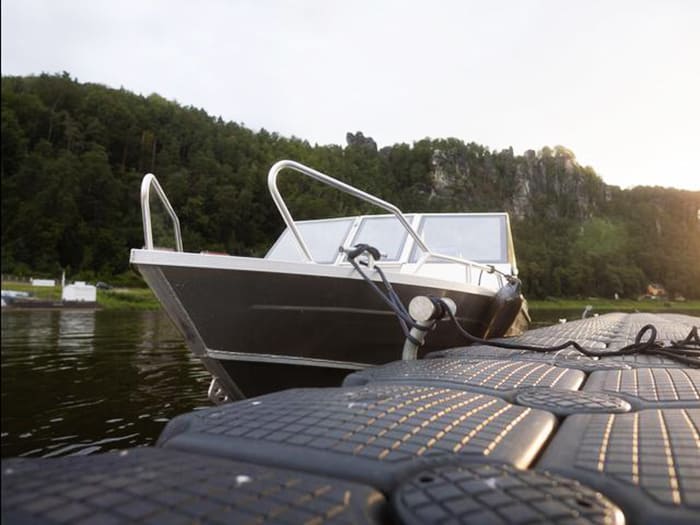
5754 H22 Aluminum Sheet for Boat
| Element | Typical / Specified Range (wt%) |
|---|---|
| Magnesium (Mg) | 2.6 – 3.6 |
| Manganese (Mn) | 0.00 – 0.50 |
| Iron (Fe) | 0.00 – 0.40 |
| Silicon (Si) | 0.00 – 0.40 |
| Chromium (Cr) | 0.00 – 0.30 |
| Zinc (Zn) | 0.00 – 0.20 |
| Copper (Cu) | 0.00 – 0.10 |
| Titanium (Ti) | 0.00 – 0.15 |
| Other (each) | ≤ 0.05 |
| Other (total) | ≤ 0.15 |
| Aluminium (Al) | Balance |
Practical note: Magnesium is the principal strengthening and corrosion-resistance element; its level (~3%) gives 5754 H22 a strong combination of strength and seawater resistance.
| Property | Typical Range / Value |
|---|---|
| Ultimate tensile strength (UTS) | 220 – 270 MPa |
| Proof / 0.2% proof stress (yield) | ~130 – 185 MPa |
| Elongation (A50 mm) | ≥ 7% (commonly 7–15%) |
| Brinell hardness (HB) | ~50 – 65 HB |
| Modulus of elasticity (E) | ~68 – 70 GPa |
| Density | ~2.66 – 2.70 g/cm³ |
Note: Mechanical values depend on sheet thickness and supplier temper control — always specify minimum values and request a Mill Test Certificate (MTC).
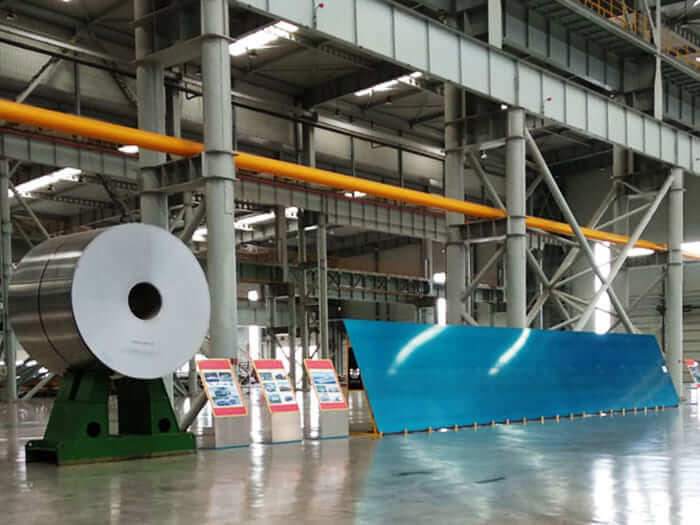
5754 H22 Aluminum Sheet Warehouse
5754 aluminum sheet is produced by casting a homogenized ingot, hot-rolling to plate/coil, and cold-rolling to final thickness.
The H22 temper is obtained by cold work (rolling) followed by a controlled partial anneal to achieve a quarter-hard condition (H2X family).
Mills supply H22 sheet to EN/ASTM tolerances and provide mill test certificates (MTCs) documenting chemistry and mechanicals.
H22 offers good cold formability for bends, shallow draws and stamping. Because H22 is only quarter-hard, it forms more readily than half- or full-hard tempers; nevertheless, designers should respect recommended bend radii and anticipate springback.
For complex forming, designers may choose to anneal to a softer temper (e.g., O or H111) before forming, then re-temper (if required) or accept the final H-condition from mill supply.
For marine applications, manufacturers commonly apply conversion coatings (chromate or chromate-free), anodizing for aesthetics or corrosion protection, high-quality paint or powder coatings, and mechanical finishes like anti-slip deck patterns.
All require proper surface preparation (degrease, etch, conversion) for durable performance.
Builders widely use EN AW-5754 H22 aluminum sheet in marine construction because it combines excellent corrosion resistance, good formability, moderate strength, and easy fabrication.
Its versatility makes it suitable for structural components, tanks, panels, and various marine accessories.
5754 H22 is commonly used for small- to medium-sized vessel hulls and superstructures.
Its corrosion resistance ensures long-term performance in seawater environments, while its moderate strength allows for lightweight construction.
Typical applications include hull plating, topsides, and pilothouses.
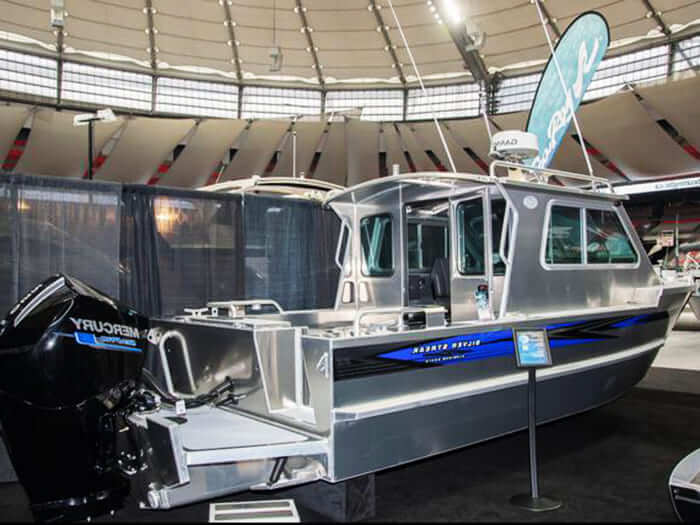
Boat Hulls used 5754 Aluminum Sheet
5754 H22 is ideal for welded fuel and water tanks due to its corrosion resistance and weldability.
It serves in freshwater, potable water, and certain fuel applications when regulatory and chemical compatibility requirements are met.
Manufacturers often use 5754 H22 for deck panels, cockpit liners, bulkheads, doors, cowls, and cladding panels.
Treadplate (chequer plate) is commonly applied to decks and walkways to provide non-slip surfaces.
Builders widely use this alloy for structural and secondary components in small boats and yachts, including bulkheads, seating supports, hatches, swim platforms, davit plates, and inner keels.
5754 H22 is suitable for a wide range of marine hardware and accessories, including cleats, chocks, handrails, ladders, guardrails, trim pieces, and mounting brackets.
5754 H22 Aluminum Sheet for Yacht
Significant weight savings versus steel allow higher payloads, lower draft and improved fuel economy.
Inherent resistance to seawater and atmosphere reduces maintenance and extends service life with appropriate detailing.
UTS in the ~220–270 MPa range combined with low density gives a competitive strength-to-weight performance for many marine structures.
Good cold formability, excellent weldability and standard machining characteristics make fabrication efficient for boatbuilders.
Aluminium is highly recyclable with well-established recycling streams; recycled aluminium retains alloy characteristics and substantially reduces embodied energy versus primary production.
Relative to higher-strength, higher-Mg alloys, 5754 typically offers a favourable balance of material cost, fabrication ease and long service life for a wide range of marine applications.
Aluminium deforms more easily than steel under point/impact loads. Mitigation: design local reinforcements, use thicker gauge in wear or impact areas, or apply sacrificial plates.
Welding softens material in the HAZ. Mitigation: select appropriate filler (Al-Mg fillers), control heat input, use intermittent weld patterns or backing bars where possible, and perform post-weld mechanical reinforcement if necessary.
Contact with more noble metals (copper, bronze, some stainless steels) in the presence of an electrolyte can accelerate corrosion.
Mitigation: electrically isolate dissimilar metals (insulating washers/coatings), use sacrificial anodes, and avoid direct contact where possible.
High-performance coatings and conversion treatments add cost. Mitigation: specify cost-efficient systems that meet service life targets and design for drainage and maintenance access to reduce long-term lifecycle costs.
Some forming or high-precision work may require jigs, pre-anneal steps or skilled welding.
Mitigation: plan fabrication flow early and specify tolerances and assembly procedures in procurement.
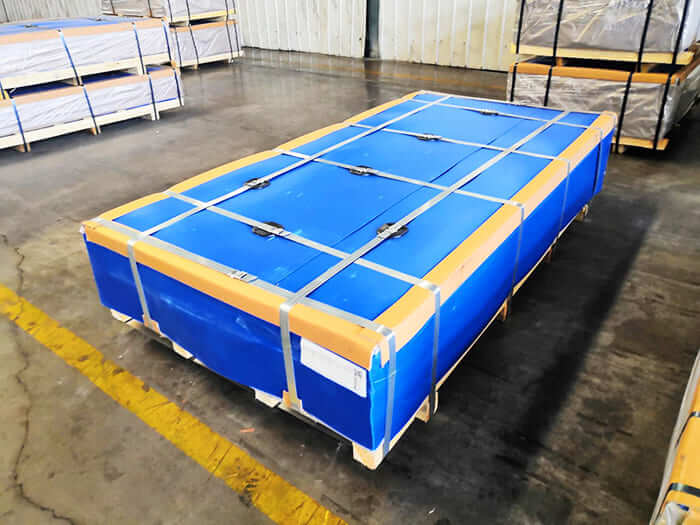
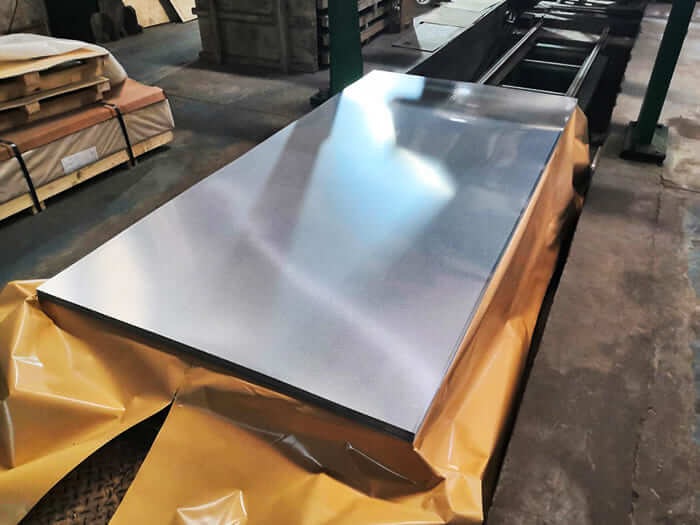
Huasheng 5754 H22 Aluminum Sheet Packaged
| Property / Feature | 5754 H22 | 5083 (H116/H321) | 6061-T6 | 316 Stainless Steel | Mild/HSLA Steel (AH36) | GRP / FRP |
|---|---|---|---|---|---|---|
| Type / Alloy class | Al–Mg wrought (5xxx), quarter-hard | Al–Mg–Mn wrought (5xxx), marine-grade | Al–Mg–Si (6xxx), heat-treatable | Austenitic stainless (Cr–Ni–Mo) | Carbon / low-alloy steel | Composite (polymer + glass fibre) |
| Relative strength (typical) | Medium | High | Medium–High | High | Very high | Low–Medium |
| Corrosion resistance (seawater) | Very good | Excellent | Fair | Excellent (localized corrosion susceptible) | Poor (requires coatings & maintenance) | Good |
| Weldability | Excellent (MIG/TIG, FSW) | Excellent | Good | Good (weldable with care) | Excellent | N/A |
| Formability / machinability | Good (bendable, stampable) | Fair to good | Moderate (heat-treatable limits forming) | Poor–Moderate | Moderate | Excellent (complex shapes) |
| Typical marine uses | Small craft hulls, superstructures, tanks, treadplate, accessories | Large commercial hulls, high-load structure, pressure tanks | Structural extrusions, fittings, deck furniture | Fittings, fasteners, shafts, high-wear areas | Large commercial hulls, heavy-duty structures | Recreational hulls, superstructures, interiors |
| Relative cost (material only) | Medium | Higher | Medium | High | Low–Medium | Medium |
| Density (g/cm³) | ~2.66–2.70 | ~2.66–2.70 | ~2.70 | ~7.9 | ~7.85 | ~1.5–2.0 |
| Notes | Balanced strength, formability and seawater resistance; economical for small/medium vessels | Higher strength and fatigue resistance than 5754; preferred for primary-structure | Higher strength, lower seawater resistance; often anodized | Very durable and corrosion-resistant; heavier and costlier; galvanic isolation required | Strong and stiff but heavy; needs coatings & maintenance | Lightweight and formable; different failure modes; repair & UV/chemical considerations |
Aluminium is one of the most recyclable structural metals; recycling reduces energy use and emissions versus primary aluminium and is a strong sustainability advantage for aluminium boats.
Material cost, surface treatments and skilled welding are principal cost drivers.
For many small to medium craft, overall life-cycle cost favours aluminium because of reduced fuel use and lower corrosion maintenance.
Reduced maintenance (compared with uncoated steel) and fuel savings from lighter weight frequently offset a modest premium for marine-grade aluminium sheet.
Lower structural mass reduces propulsion energy requirements; for small craft, every percentage of weight saved has a direct positive effect on fuel consumption and range.
5754 H22 Aluminum Sheet for Boat is a pragmatic, proven alloy for a broad range of marine applications.
It offers an attractive combination of seawater corrosion resistance, weldability, formability and mid-range strength that suits hulls of small craft, superstructures, tanks and many accessories.
Design attention must focus on galvanic isolation, welding detail (HAZ), and local reinforcement against impact.
When projects demand maximum strength or heavy-duty fatigue resistance, builders often choose higher-strength marine alloys like 5083. For many boatbuilding applications, however, 5754-H22 provides an excellent balance of performance, cost, and sustainability.
Q1 — What exactly does “H22” mean?
A: H22 indicates a strain-hardened and partially annealed temper that produces approximately a quarter-hard condition (H2X family). It is intended to balance strength and formability.
Q2 — Is 5754 H22 suitable for welded hulls in saltwater?
A: Yes — 5754 has very good seawater corrosion resistance and weldability. Proper joint design, choice of filler and corrosion-control detailing are necessary for long service life.
Q3 — How does 5754 compare to 5083 for boats?
A: 5083 offers higher strength, so builders prefer it for large commercial hulls and high-load structures, while they typically choose 5754 for smaller craft, superstructures, and deck components where formability, finish, and cost matter more.
Q4 — Typical mechanical numbers I can specify in a drawing?
A: For H22 sheet you can commonly reference UTS 220–270 MPa, proof/yield ~130–150 MPa and elongation ≥7%—but always require the supplier’s MTC for the exact lot and thickness.
Q5 — Any special maintenance recommendations?
A: Keep drains clear, avoid crevices, isolate dissimilar metals, inspect welds and fasteners periodically, and re-apply coatings or sealants as part of scheduled maintenance to prolong service life.
1. Introduction 3003 aluminu……
1. Introduction As industrie……
Introduction In the world of……
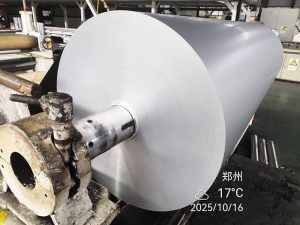
8011 H18 blister aluminum fo……
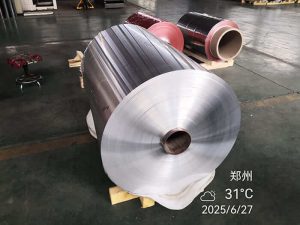
Introduction to 1050 Epoxy C……
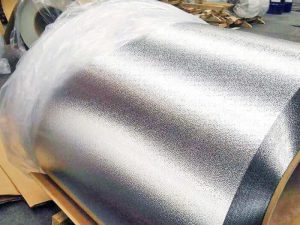
1. Introduction 8011 Embosse……

Henan Huasheng Aluminum Co., Ltd (HHALU for short), established in 2001, is located in Huiguo Town, the famous Aluminum capital of Henan Province, It's a professional manufacturer and engages in the research, development, production, sales and service of aluminum sheet plate, aluminum coil, aluminum foil, aluminum strip and aluminum circle.
In addition, HHALU also sell aluminum plate for construction and ships, aluminum mirror plate, and automotive aluminum alloy plate.
No.53, Dongming Road, Zhengzhou, Henan, China
Copyright © Huasheng Aluminum 2025. All rights reserved.
