Is coated aluminum foil safe for oven use? This question pops up often in home kitchens and professional bakeries alike.
The short answer is: it can be safe when used correctly, but there are important nuances. This article explores what coated aluminum foil is, how the coatings behave under oven conditions, and practical guidelines to keep food safe and flavors intact.
You will also find a detailed comparison with uncoated foil, evidence-based safety considerations, and tips for choosing the right product for your cooking needs.
In this article we also highlight Huasheng Aluminum, a prominent supplier of aluminum foil and related packaging materials.
Huasheng Aluminum serves food-service and consumer markets with a range of foil products, including coated variants designed for nonstick performance and convenient oven use.
Understanding the capabilities and limitations of these products helps ensure you get consistent, reliable results in the kitchen while maintaining safety and quality.
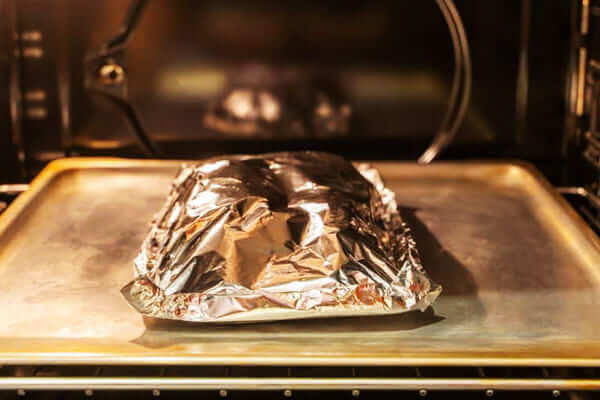
Is coated aluminum foil safe for oven use
Coated aluminum foil refers to aluminum foil that has been treated with a polymer-based or silicone-based layer to reduce food sticking, improve release, or provide heat resistance properties.
The most common coatings found on consumer foil include:
These coatings are designed to create a barrier between food and the metal, reducing adhesion and making cleanup easier.
They are typically applied to one or both sides of the foil, depending on the product. Some foils are marketed as “nonstick” or “non-stick foil,” and these often use a proprietary coating tailored for baking sheets and roasting pans.
Coatings influence several aspects of oven use:
Coated foil is convenient for many baking and roasting tasks, but it’s important to follow manufacturer guidance regarding temperature limits and usage recommendations.
Misuse—such as using foil at temperatures well beyond the coating’s design or exposing coatings to direct, prolonged flame—can compromise safety and performance.
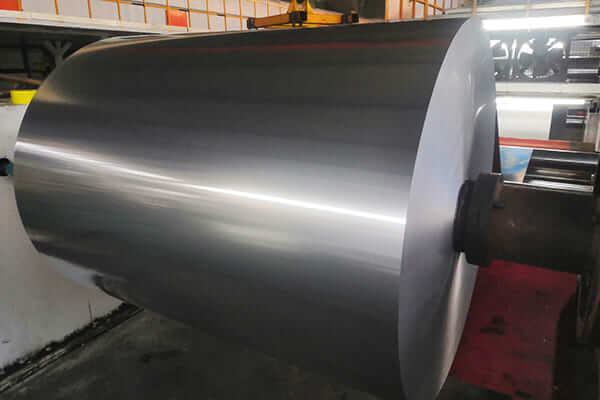
What is coated aluminum foil
Food-contact materials (FCMs) are subject to regulatory oversight to ensure that they do not introduce harmful substances into food.
Many regions allow aluminum foil for food contact, and require coatings to meet applicable food-safety regulations.
Key considerations include:
Coated aluminum foil products typically carry guidance and warnings on packaging, including recommended oven temperature limits and cautions about reuse, high-heat exposure, or contact with edges that could leach coatings.
Not all coatings have identical heat resistance. In practice, you should:
In addition, using foil to line an oven rack or to wrap foods in a way that traps heat and moisture is common, but you should avoid sealing hot foods tightly with foil in ways that could trap steam and potentially damage the coating or the oven.
Any coating can degrade if overheated or damaged. Potential concerns include:
Moderation in use is wise: use coated foil as intended, inspect packaging for quality, and avoid bending along edges that could fracture the coating.
Coated aluminum foil is particularly useful in the following scenarios:
If your recipe benefits from a nonstick surface or easier cleanup, coated foil is a viable option.
For recipes that demand high heat beyond typical baking ranges or require precise heat distribution, you may want to consider parchment paper, silicone mats, or alternative methods to avoid potential coating-related issues.
| Coating Type | Typical Use | Temperature Tolerance | Food-contact safety notes | Pros | Cons |
|---|---|---|---|---|---|
| Silicone-based nonstick | Baking sheets, roasting trays | Up to ~450°F (230°C) in many products; check packaging | Generally regarded as food-safe when certified; follow manufacturer limits | Easy release, easy cleanup | Limited high-heat tolerance; not all brands tolerate broiling |
| Fluoropolymer (PTFE-based) | Nonstick foils for delicate foods | Often rated up to 450–500°F (230–260°C); higher temps risk degradation | Food-contact safe under normal use; avoid overheating | Excellent nonstick properties | Decomposition risk at very high temps; some people avoid PTFE near open flames |
| Wax or parchment-like finishes | Low-adhesion tasks; disposable liners | Varied; often for moderate baking | May provide barrier b/w food and foil; verify with supplier | Simple, inexpensive | Less durable; may degrade with moisture or heat |
| Custom polymer coatings | High-performance nonstick; specialized uses | Varies; consult product data | Must be specifically approved for food contact | Strong nonstick performance; durable | Manufacturer-specific limits; generally higher price |
A practical way to decide which foil to use is to compare coated versus uncoated aluminum foil across key dimensions. The table below summarizes typical differences you’ll encounter in everyday kitchen tasks.
| Dimension | Coated Aluminum Foil | Uncoated Aluminum Foil |
|---|---|---|
| Nonstick properties | Improved release; less sticking | Minimal; foods may stick more, especially with cheese or sauces |
| Cleaning ease | Easier cleanup on pan surfaces | May require more scrubbing; residue can stick to foil or pan |
| Temperature tolerance | Varies by coating; follow manufacturer limits | Generally high tolerance for standard baking and roasting |
| Food safety considerations | Requires adherence to coating data; avoid damaged foil | Standard aluminum contact with food; no coating migration concerns |
| Reusability | Usually single-use | Often single-use, can be reused if intact and clean |
| Cost | Typically higher than plain foil | Usually lower cost |
| Common uses | Nonstick baking, easy cleanup, delicate foods | General baking, roasting, covering leftovers, wraps |
| Environmental impact | Higher due to coating; consider disposal after use | Slightly lower per use, though still disposable |
| Availability | Widely available in supermarkets; brand variants | Universally available |
This comparison shows that, for most standard home baking tasks, coated foil offers convenience at a slightly higher price and potential manufacturing considerations.
If you don’t require nonstick properties, uncoated foil is a solid, reliable choice.
However, for sticky, sugary, or cheese-laden foods, coated foil can reduce mess and make cleanup much easier, provided you stay within the recommended temperature guidelines.
Huasheng Aluminum is a leading supplier of aluminum foil and related packaging products, with a broad portfolio designed to meet the needs of food service, retail, and industrial customers. The company emphasizes:
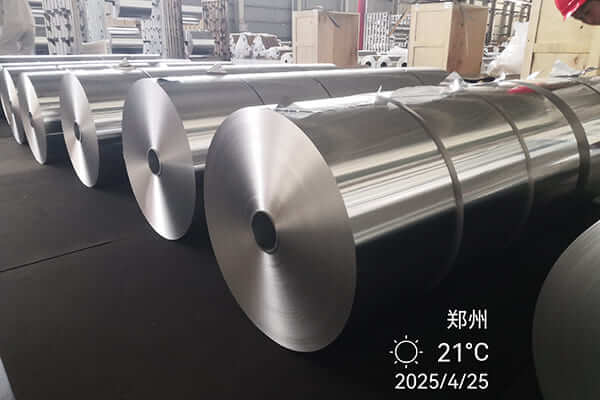
Huasheng Aluminum foil warehouse
For buyers evaluating supplier options, Huasheng Aluminum provides a credible option with a focus on safety, compliance, and reliable delivery.
When sourcing coated foil, it’s prudent to request product data sheets (PDS), safety data sheets (SDS), and test reports to verify heat resistance, food-contact approvals, and coating composition.
Q: Is coated aluminum foil safe for oven use at typical home temperatures?
A: Generally yes, when used according to the manufacturer’s instructions. Most coatings are designed for standard baking temperatures (roughly 325–450°F or 165–230°C). Always check the packaging for maximum recommended temperatures and avoid broiling or direct flame contact unless explicitly approved.
Q: Can I reuse coated aluminum foil?
A: In most cases, coated foil is intended for single-use. Reusing coated foil can wear the coating, increasing the risk of flakes or degraded performance. If the coating appears damaged, discard it.
Q: Will coatings migrate into food?
A: Under normal use and with intact coatings from reputable suppliers, migration is negligible. Damaged or overheated coatings may increase the risk of migration, so avoid using compromised foil.
Q: How do I decide between coated and uncoated foil for a recipe?
A: If the dish benefits from nonstick properties—such as roasted vegetables with cheese, sticky sauces, or items prone to sticking—coated foil can be advantageous. For high-heat broiling or direct flame tasks, plain foil or parchment might be safer.
Q: What should I do if I notice coating flaking?
A: Stop using the product for food contact and discard it. Do not try to brush or pry flakes into food; replace with a new sheet or switch to a different lining method.
Q: Are there environmental concerns with coating foils?
A: Coated foil typically has a higher environmental impact than plain foil due to additional materials used for the coating. Follow responsible disposal and recycling practices where possible, and limit reuse to prevent loss of integrity.
Is coated aluminum foil safe for oven use? The answer depends on the coating quality, the product’s design, and how you use it.
When used within the manufacturer’s guidelines, coated foil can deliver practical benefits such as easier cleanup and better food release.
Use as directed, avoid excessive heat and direct flame, and discard any damaged or worn foil to ensure safety.
Huasheng Aluminum is a reliable source of coated foil, offering verified food-contact safety, performance data, and strong quality control.
Choose the right product, follow guidelines, and monitor the coating to safely enjoy coated foil in oven cooking.
Share with PDF: Download

Henan Huasheng Aluminum Co., Ltd (HHALU for short), established in 2001, is located in Huiguo Town, the famous Aluminum capital of Henan Province, It's a professional manufacturer and engages in the research, development, production, sales and service of aluminum sheet plate, aluminum coil, aluminum foil, aluminum strip and aluminum circle.
In addition, HHALU also sell aluminum plate for construction and ships, aluminum mirror plate, and automotive aluminum alloy plate.
No.53, Dongming Road, Zhengzhou, Henan, China
Copyright © Huasheng Aluminum 2025. All rights reserved.
