| Parámetro | Especificación |
| Aleación | 5A06 |
| Atemperar | O, H12, H14, H18, H22, H32, etc. |
| Densidad | 2.64 g leti' cm³ |
| Rango tallas (Grosor x Ancho x Largo) | 0.2mm – 6mm x 500mm – 2200mm x 800mm – 6000mm |
| Ts'a'akal superficial | Acabado molino, Anodizado, Recubrimiento tu lu'umil, Cepillado, Pulido |
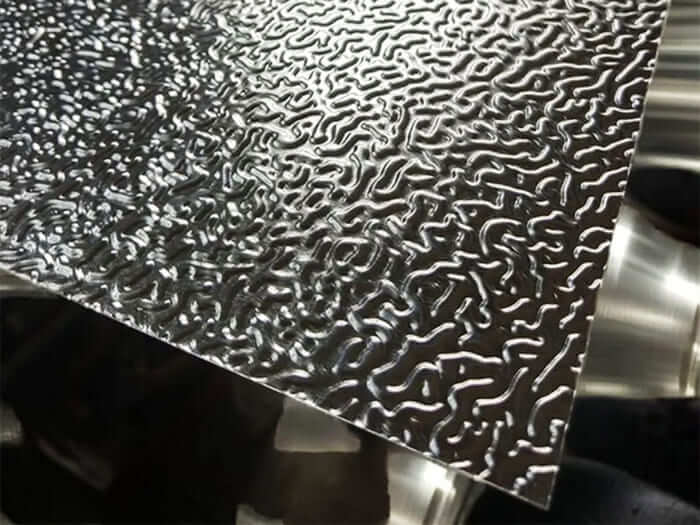
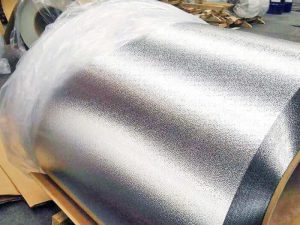
Stucco embossed aluminum sheet represents a highly functional and aesthetically versatile material critical to numerous modern industries.
By imparting a distinctive, irregular “stucco” pattern onto flat aluminum sheets, this material gains significant enhancements beyond its base properties.
The embossing process notably increases the sheet’s rigidity-to-weight ratio, mitigates “oil canning” effects, diffuses light for reduced glare, and conceals minor surface imperfections.
Utilizing common aluminum alloys such as 1100, 3003, y 5005, and various tempers, stucco embossed sheets offer an optimal blend of lightweight strength, inherent corrosion resistance, and improved durability.
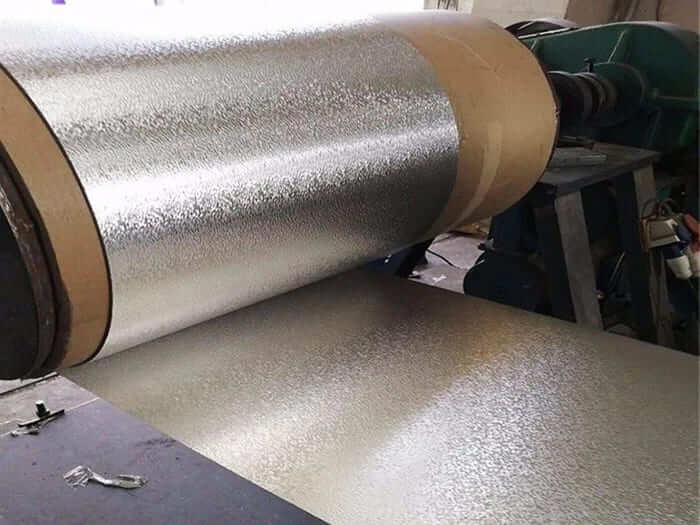
Its manufacturing involves precision rolling and embossing, followed by rigorous quality control to ensure pattern uniformity and material integrity.
Consequently, stucco embossed aluminum finds extensive application in construction (revestimiento, Techos, insulation jacketing), refrigeration, transporte, and various industrial and decorative uses, outperforming many alternative materials in specific scenarios due to its unique combination of aesthetic and functional benefits.
Stucco Embossed Aluminum Sheet
Alloy selection is the “engine”; embossing is the “tuning.” Common sheet alloys used for stucco embossing include:
| Alloy family | Typical grades | Why used | Typical notes |
|---|---|---|---|
| 1Xxx (commercially pure) | 1050, 1060, 1100 | High formability, excellent thermal conductivity, Ma'alob resistencia ti' le corrosión | Lower strength; often used in insulation jacketing and heat-related applications |
| 3Xxx (Al–Mn) | 3003, 3105 | Stronger than 1xxx, very common in building sheet | Good balance of formability/corrosion resistance/cost |
| 5Xxx (Al–Mg) | 5052, 5083 (less common as sheet for this use) | Higher strength and marine corrosion performance | Watch forming window and stress corrosion considerations for certain tempers/environments |
| 6Xxx (Al–Mg–Si) | 6061, 6063 (more structural) | When heat treatability and structural performance matter | Less typical for commodity stucco sheet; more application-specific |
Credible rule of thumb: if you need “general-purpose stucco cladding,” 3003/3105 are common choices; for maximum formability/thermal performance, 1Xxx is common; for higher strength and harsher environments, 5052 often enters the conversation.
Temper controls strength vs formability more than the emboss pattern does.
If parts require significant forming after embossing, designs often prefer softer tempers or shallower patterns to prevent localized strain peaks at emboss “valleys.”
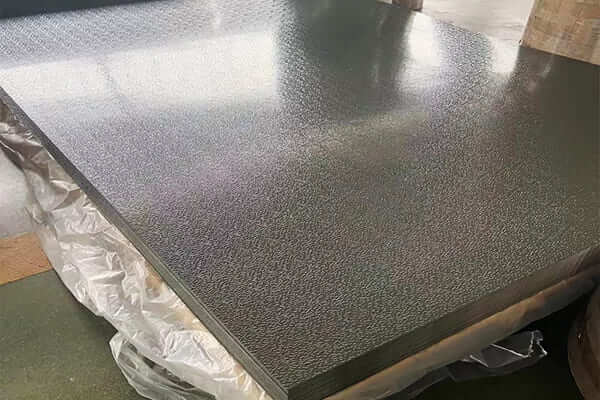
Huasheng High Quality Stucco Embossed Aluminum Sheet
Aluminum sheets used for stucco embossing typically adhere to international standards for composition and mechanical properties.
The production of stucco embossed aluminum sheet is a precise industrial process involving several key stages, each contributing to the final product’s quality and characteristics.
Manufacturing Process of Stucco Embossed Aluminum Sheet
This is the core transformative step that creates the distinctive stucco pattern.
After embossing, further surface treatments can enhance the sheet’s performance or aesthetics.
Rigorous quality control measures are implemented at every stage to ensure the final product meets stringent specifications.
Proper packaging is essential to protect the stucco embossed aluminum sheets during storage and transportation.
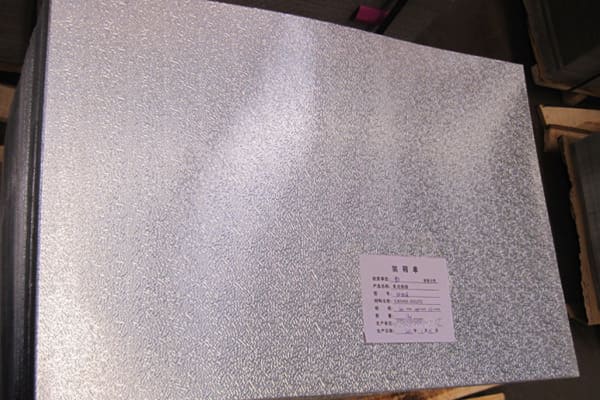
Advantages of Stucco Embossed Aluminum Sheet
Aluminum’s low density delivers lightweight panels; embossing can improve apparent stiffness and reduce visible handling damage without adding mass.
Aluminum naturally forms a protective oxide. For aggressive environments, anodizing or PVDF coating significantly improves long-term performance.
Stucco texture:
Not “indestructible,” but more tolerant of:
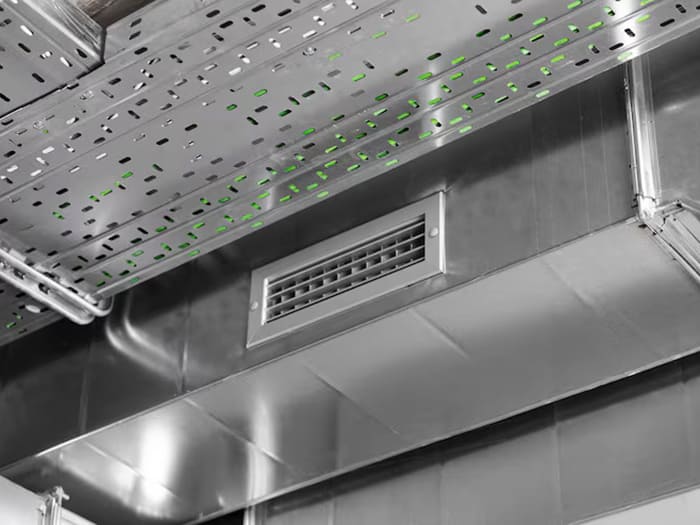
Even with embossing and many coatings, aluminum remains a strong thermal conductor compared with steels and polymers—useful in HVAC panels, insulation systems, and equipment housings.
The versatility and enhanced properties of stucco embossed aluminum sheet make it a preferred choice across a broad spectrum of industries.
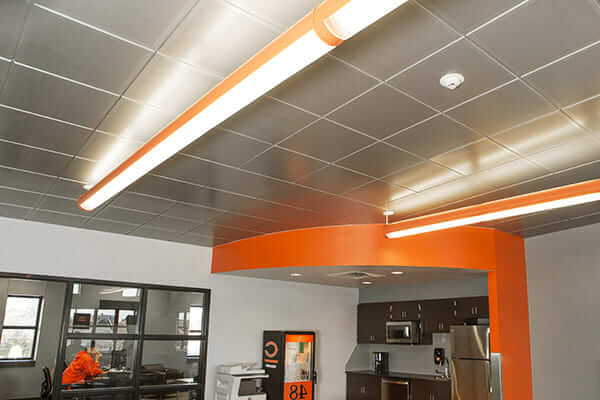
Construction Used Stucco Aluminum Sheet
Stucco Embossed Aluminum Sheet for HVAC
Stucco embossing itself is often specified by customer-defined pattern and appearance criteria, while the base sheet and coatings follow established standards.
Common references (examples, not exhaustive):
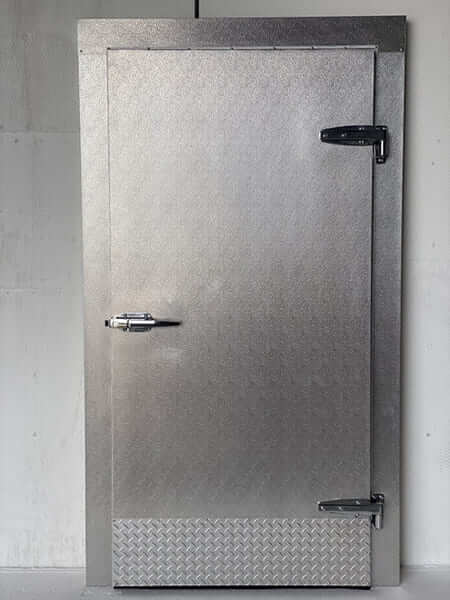
Stucco Embossed Aluminum Sheet for Refrigeration
Huasheng-specific internal specs are not public by default and should not be invented.
What follows is a professional QC/spec framework suitable for a large OEM (p'el ej.., Huasheng) to control supplier consistency—useful as a template for “customer QC requirements.”
| Atributo | Stucco embossed aluminum sheet (mill / Anodizado / cubierto) | Flat aluminum sheet | Galvanized steel (GI) | Pre-painted steel (PPGI/coil-coated steel) | Stainless steel (304/316) | FRP panel (glass fiber reinforced plastic) | Thermoplastics (ABS/PC, etc.) |
|---|---|---|---|---|---|---|---|
| Densidad (g leti' cm³) | ~2.70 | ~2.70 | ~7.85 | ~7.85 | ~7.9–8.0 | ~1.5–2.0 | ~1.0–1.2 |
| Elastic modulus (GPa) | ~69 | ~69 | ~200 | ~200 | ~190–200 | ~15–40 (anisotropic) | ~2–3 |
| Conductividad térmica (W/m· K'uj) | ~150–230 | ~150–230 | ~45–60 | ~45–60 | ~14–16 | ~0.3–0.5 | ~0.2–0.3 |
| Resistencia le corrosión (typ.) | Ka'anal (very high with anodize/PVDF) | Ka'anal | Medium–High (zinc protection) | Medium–High (depends on coating & edge protection) | Jach ka'anal (316 best in chlorides) | Ka'anal | Ka'anal (chemical-specific) |
| Cosmetic durability (scratch visibility / glare) | Ka'anal (diffuse reflection; hides scuffs) | Ka'a (scratches/glare more obvious) | Ka'a | High initially (color/gloss controllable) | Medium–High (but fingerprints/glare common) | Ka'a (depends on gel coat; can chalk) | Medium–Low (scratches easily; can haze) |
| Key pros | Light weight; good corrosion performance; appearance tolerant; good heat spreading | Same base metal benefits; easiest to clean | Low cost; high stiffness; mature fabrication | Excellent visual consistency; wide color range; good stiffness | Outstanding durability; high temperature capability; hygiene-friendly | Corrosion-proof; design freedom; good dent resistance in some layups | Very light; complex shapes via molding; low part count |
| Key trade-offs | Can dent under point load; pattern variability must be specified/controlled; coated systems add spec complexity | Higher cosmetic reject risk; glare and fingerprint visibility can be issues | Heavier (~3× Al at same thickness); cut edges/scratches can corrode; lower thermal conductivity | Edge corrosion risk; damage may expose substrate; heavier than Al | High cost; heavy; forming/work-hardening challenges; glare/fingerprint management often needed | Low thermal conductivity; UV aging can require high-grade resins; repair differs from metal workflows | Heat/UV/fire requirements drive formulation cost; low stiffness; creep and solvent sensitivity risks |
Stucco Embossed Aluminum Sheet is a testament to the continuous innovation in material science and manufacturing processes, transforming a fundamental metal into a highly specialized and indispensable product.
Its distinctive stucco pattern, while primarily aesthetic, concurrently imparts profound functional advantages, notably a significant increase in rigidity-to-weight ratio, effective light diffusion, and a remarkable ability to mask superficial blemishes.
Utilizing common, well-understood aluminum alloys and tempers, this material offers an optimal blend of lightweight performance, exceptional inherent corrosion resistance, and a visually appealing, durable surface.
From strengthening thermal insulation jacketing in industrial plants to beautifying architectural facades and enduring the rigors of transportation vehicles, stucco embossed aluminum sheet provides a versatile, cost-effective, and sustainable solution.
Its consistent quality, supported by rigorous manufacturing and quality control protocols, ensures reliable performance across its diverse applications.
As industries globally continue to pursue lightweighting initiatives, enhanced durability, and sustainable material choices, the stucco embossed aluminum sheet is poised for sustained growth and continued relevance, solidifying its position as a high-performance material of choice for the future.
1) Does embossing increase the strength of aluminum sheet?
It can slightly increase local work hardening, but the dominant drivers of strength are alloy and temper. Embossing most noticeably improves dent visibility and perceived stiffness, not fundamental tensile strength.
2) How do I specify the stucco pattern so suppliers don’t “interpret” it differently?
Use a reference sample panel, define texture depth metrics, and define appearance inspection conditions (iluminación, angle, distance). “Stucco” alone is too vague for tight cosmetic control.
3) Is coated stucco sheet harder to clean because of texture valleys?
Texture can trap dirt in harsh environments, but coatings (especially high-quality coil coatings) can improve cleanability. Selection should consider environment class and maintenance expectations.
4) Can stucco embossed sheet be formed or bent after embossing?
Je'el, but forming limits depend on atemperar, espesor, emboss depth, ka recubrimiento. Deeper emboss + harder temper generally reduces allowable bend tightness.
5) Which is better for outdoor architecture: anodized or PVDF-coated stucco aluminum?
Both can work. PVDF coil coatings are commonly selected for color stability and UV durability; anodizing offers a metallic finish and surface hardness. Choice depends on color requirements, environment severity, and cost targets.
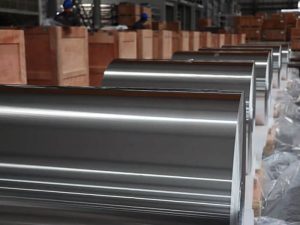
1. Introducción 3003 aluminu……
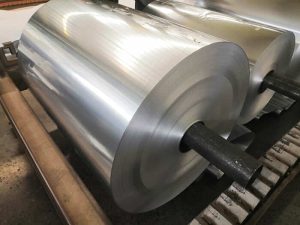
1. Introduction As industrie……
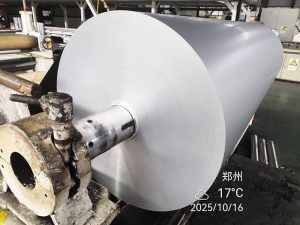
Introduction In the world of……
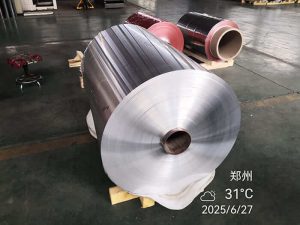
8011 H18 blister aluminum fo……
Introducción u 1050 Epoxy C……
1. Introducción 8011 Embosse……

Henan Huasheng Aluminio Co., Ltd (HHALU utia'al u abreviar), establecida ti' 2001, Kula'an tu kaajil Huiguo, le famosa capital u aluminio u provincia u Henan, Leti' jump'éel fabricante ku yéetel ku meentik le investigación, ma'alo'ob, producción, sales and service of aluminio sheet plate, bobina aluminio, ju'un aluminio, Ch'íin aluminio yéetel wóoliso' aluminio.
Beey xan, HHALU xan ku placas aluminio yo'osal le construcción yéetel le chéem, placa néeno' aluminio, ka placa aleación aluminio automotriz.
No.53, Bejo' u Dongming, Zhengzhou, Henan, China
P'iskambal autor © Huasheng Aluminium 2025. Tuláakal le p'iskambal reservados.
