Marine environments present unique challenges. Slippery surfaces, constant moisture, fluctuating temperatures, and the relentless wear from saltwater all test the durability of any equipment exposed to the sea. For boat owners, dock managers, shipbuilders, and maritime professionals, ensuring safety while optimizing performance is critical. This is where marine anti-slip aluminum plate make a game-changing difference.
In this comprehensive guide, we will explore everything you need to know about marine anti-slip aluminum plate. We’ll break down their unique advantages, applications, comparison with other materials, installation guidance, maintenance tips, and expert insights into elevating safety and performance on the water.
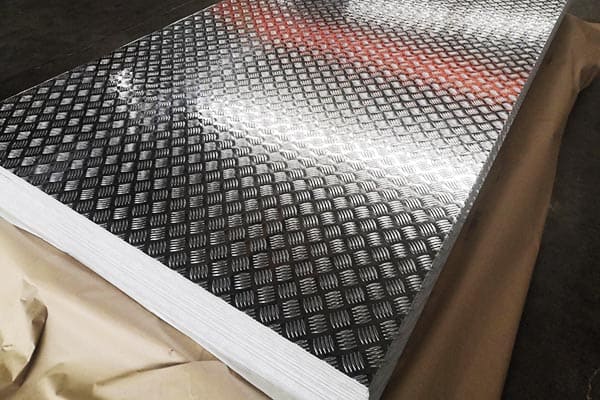
Marine anti-slip aluminum plate
Marine anti-slip aluminum plates are engineered metal sheets specifically designed for harsh maritime environments. These plates feature unique surface patterns that provide exceptional grip and traction, even when wet or coated in oil or algae. Let’s delve into what makes them stand out.
Wet conditions are constant on the water. Whether from waves splashing over deck rails, rainy weather, or simple humidity, surfaces quickly become slick. The consequences are serious:
| Alloy Grade | Typical Tempers | Mg/Si Content (%) | Mechanical Strength (MPa) | Corrosion Resistance | Anti-Slip Form Compatibility | Typical Marine Application |
|---|---|---|---|---|---|---|
| 5052 | H32, H34, H116 | Mg: 2.2–2.8 | 215–265 | ★★★★☆ | ★★★★★ | Boat flooring, walkways, cabin stairs |
| 5083 | H116, H321, O | Mg: 4.2–4.9 | 270–350 | ★★★★★ | ★★★★☆ | Offshore platforms, engine room flooring |
| 5754 | H111, H114 | Mg: 2.6–3.6 | 190–240 | ★★★★☆ | ★★★★★ | Passenger boats, yacht interior decks |
| 6061 | T6, T651 | Mg: 0.8–1.2, Si: 0.4–0.8 | 240–310 | ★★★☆☆ | ★★★★☆ | Structure flooring brackets, steps |
| 6082 | T6, T651 | Mg: 0.6–1.2, Si: 0.7–1.3 | 260–340 | ★★★★☆ | ★★★★☆ | Hull structural decks, reinforcement plates |
✔ 5000-Series Alloys (5052, 5083, 5754)
These alloys contain magnesium (Mg) as the main strengthening element, offering:
5083 is preferred for professional marine structures due to its highest corrosion and strength combination.
✔ 6000-Series Alloys (6061, 6082)
These alloys contain magnesium and silicon (forming Mg₂Si phases), giving:
not as corrosion-resistant as 5000-series, they are often used where:
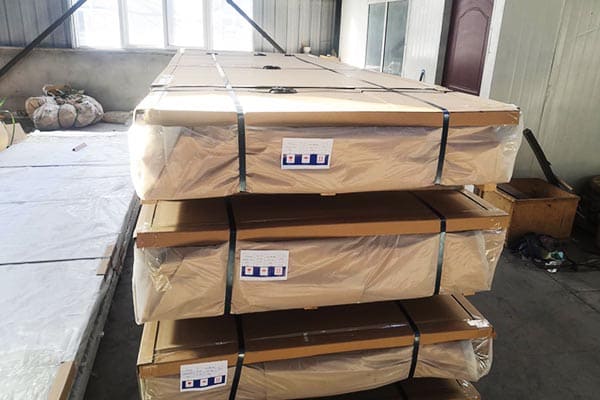
Marine anti-slip aluminum plate Export packaging
Choosing the right anti-slip solution ensures long-term safety and operational efficiency. Let’s look at how marine anti-slip aluminum plates rise above the alternatives.
Aluminum anti-slip plates offer top-tier grip due to their engineered surface patterns.
Saltwater is especially harsh on metals, but marine grade aluminum alloys—like the popular 5052, 5083, and 6061 types—are built for the challenge.
Ships and marine structures demand materials that are robust but not excessively heavy.
Durability is paramount at sea.
Sustainability is becoming a higher priority in marine industries.
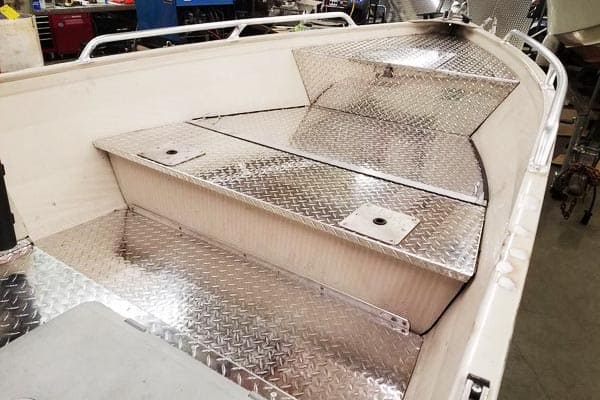
Boat Decking aluminum plate
These versatile plates are suitable for a wide range of marine and offshore uses. Below, see the main areas where they elevate safety and performance:
| Application Area | Typical Usage | Why Aluminum Anti-Slip Plates? |
|---|---|---|
| Boat Decks & Walkways | Main decks, side walkways, working platforms | High grip, corrosion resistance |
| Gangways & Ramps | Boarding points, loading/unloading access | Lightweight, strong, anti-slip |
| Offshore Oil & Gas Platforms | Stairs, landings, helicopter pads | Safety critical areas |
| Marina & Harbor Infrastructure | Docks, pontoons, finger piers, ladders | All-weather traction |
| Storage & Machinery Rooms | Engine bays, battery rooms, maintenance areas | Resistant to oils and chemicals |
| Rescue & Military Craft | Fast maneuvering decks, access points | Durable, rapid installation |
| Industrial Vessels | Processing floors, control rooms | Non-sparking, fire resistant |
| Ferries & Passenger Terminals | High foot traffic boarding/disembarkation areas | Easy cleaning, attractive finish |
When selecting anti-slip plates, specific design elements make a significant difference in performance. Here are the essential features to consider:
Deciding on the best slip-resistant decking solution demands a thorough material comparison. Here’s how marine anti-slip aluminum plates stack up against the competition.
| Material | Durability | Traction Wet | Weight | Maintenance | Cost | Notes |
|---|---|---|---|---|---|---|
| Aluminum Plate | Excellent | Excellent | Low | Minimal | Moderate | Ideal balance for marine use |
| Steel Plate | High | Good | High | Prone to rust | Low | Heavy, rusts without coatings |
| Fiberglass Grating | Good | Good | Moderate | UV can degrade | Moderate | Brittle over time, can be hard to repair |
| Rubber Mats/Tiles | Moderate | Very good | Low | May degrade, absorbs oil | Low | Not as durable, can become slippery |
| Wood | Fair | Fair | Moderate | Rot/warp risk | Low | Needs sealing, high maintenance |
| Anti-Slip Paint/Tape | Fair | Good | – | Frequent renewal | Low | Quick fix, short-term solution |
Key Insight: Marine anti-slip aluminum plates offer an unmatched combination of lightweight, high durability, long-lasting grip, and minimal upkeep. They deliver superior all-around value in most marine settings.
Reliable marine anti-slip aluminum plates comply with recognized safety and material standards. When buying, check for these reputable benchmarks:
With numerous options available, making the best choice involves a methodical approach—always keeping user safety and practical performance top of mind.
While anti-slip aluminum plates play a crucial role, consider these additions for a comprehensive safety strategy:
No. The engineered surface patterns (diamond, five-bar, etc.) specifically break up water films and improve traction, making them highly resistant to slipping—even in oily or algae-prone areas.
With regular cleaning and periodic inspections, quality aluminum anti-slip plates can last 10-20 years or longer in typical marine applications.
Absolutely. Reputable manufacturers offer custom cutting, patterning, and pre-drilled hole options to fit complex layouts or unusual space constraints.
Yes. In addition to the standard aluminum finish, plates can be anodized or powder-coated in various colors for safety coding, aesthetics, or branding.
While handy individuals can perform small installations, using a marine-certified installer ensures optimal safety and compliance with relevant maritime regulations.
At sea, every detail matters. Traditional anti-slip solutions often struggle to survive the non-stop assault of saltwater, sun, and heavy use. Marine anti-slip aluminum plates, however, have emerged as the gold standard—offering outstanding safety, enduring strength, and genuine long-term economy.
By understanding where and how to use these robust plates, you can safeguard your crew, passengers, and investments. Whether you’re modernizing a commercial fleet, upgrading a family boat, or enhancing the safety of a waterfront facility, marine anti-slip aluminum plates offer the perfect balance of logic, utility, and peace of mind.
Step aboard with confidence—choose marine anti-slip aluminum plates to elevate your safety and performance, every day, and in every sea condition.
Share with PDF: Download

Henan Huasheng Aluminum Co., Ltd (HHALU for short), established in 2001, is located in Huiguo Town, the famous Aluminum capital of Henan Province, It's a professional manufacturer and engages in the research, development, production, sales and service of aluminum sheet plate, aluminum coil, aluminum foil, aluminum strip and aluminum circle.
In addition, HHALU also sell aluminum plate for construction and ships, aluminum mirror plate, and automotive aluminum alloy plate.
No.53, Dongming Road, Zhengzhou, Henan, China
Copyright © Huasheng Aluminum 2025. All rights reserved.
