In today’s automotive industry, innovation and efficiency are more critical than ever. One area experiencing rapid evolution is vehicle weight reduction—especially for car trunk lids. As manufacturers seek to improve fuel efficiency, enhance handling, and meet strict environmental regulations, aluminum sheet solutions have gained enormous popularity. But not all aluminum is created equal. To unlock the full potential of lightweight design, you need the right aluminum sheet solutions that combine strength, durability, and manufacturability. This comprehensive guide dives into everything you need to know about aluminum sheets for car trunk lid.
We explore material properties, fabrication techniques, innovative solutions, and practical considerations to help you make informed choices.
Whether you’re an automotive engineer, manufacturer, or enthusiast, this post offers valuable insights to optimize your car trunk lid projects.
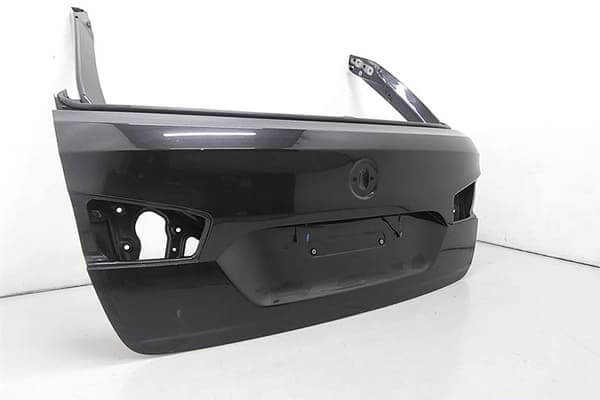
Aluminum sheet for car trunk lid
Aluminum has become a top choice in automotive design, especially for trunk lids, because of its exceptional properties:
Choosing aluminum isn’t just about selecting any sheet.
The key lies in selecting the right alloy, thickness, and surface treatment suited for trunk lids. Balancing formability, stiffness, and crashworthiness is critical.
| Position / Part | Alloy series | Typical grades | Common temper | Typical use | Main features / notes |
|---|---|---|---|---|---|
| Outer panel (skin) | 6xxx | 6016 | T4 / T6 | Trunk lid outer panel, doors, hoods | Good formability, excellent paint-bake hardening, good surface quality |
| Outer panel (skin) | 6xxx | 6111 | T4 | Trunk lid outer panel, door outer panels | Strong paint-bake response, higher final strength after curing |
| Outer panel (skin) | 6xxx | 6009, 6014, 6022 | T4 | Body exterior panels, trunk lids | Balanced formability and strength, suitable for complex shapes |
| Inner panel | 5xxx | 5182 | O / H111 / H19 | Trunk lid inner panel, door inner panel | Very good formability, higher strength than 5052/5A02, widely used inner panel grade |
| Inner panel | 5xxx | 5754 | O / H22 / H24 | Inner panels, stiffeners, chassis parts | Medium strength, good corrosion resistance, good weldability |
| Inner / structural parts | 5xxx | 5052, 5083 | O / H32 / others | Local stiffeners, brackets, support parts | Higher strength and corrosion resistance, used more for structural or load-bearing |
| Local reinforcements | 5xxx | 5182 | Hxx | Hinge/lock areas, reinforcement patches | Higher strength temper for fatigue and stiffness in local areas |
| Local reinforcements | 6xxx | 6xxx high-strength sheets or profiles | T6 / T7x | Hinge brackets, reinforcement profiles | High strength after heat treatment, used where load and fatigue are critical |
| Local reinforcements | 7xxx | 7021, 7150, etc. (limited use) | T6 / T7x | High-performance local stiffeners | Very high strength; usually reserved for performance models, small local components |
| Position / part | Typical thickness range (mm) | Often used values (mm) | Design intent / comments |
|---|---|---|---|
| Outer panel – lightweight car | 0.65 – 0.75 | 0.65 / 0.70 / 0.75 | Focus on weight reduction, with sufficient stiffness from design + hemming |
| Outer panel – standard car | 0.70 – 0.80 | 0.70 / 0.75 / 0.80 | Most common range for sedans/SUVs |
| Outer panel – high stiffness | 0.80 – 0.90 | 0.80 / 0.85 / 0.90 | For large panels or where dent resistance and stiffness are critical |
| Inner panel – normal design | 0.70 – 1.00 | 0.80 / 0.90 / 1.00 | Inner structural panel, needs good stiffness and formability |
| Inner panel – large tailgate | 0.90 – 1.20 | 1.00 / 1.10 / 1.20 | Used for large SUV tailgates or high load designs |
| Local reinforcements | 1.00 – 2.00 | 1.20 / 1.50 / 2.00 | Hinge, latch, striker areas, or brackets with higher local strength demand |
| Application / part | Recommended alloy grades | Temper | Recommended thickness (mm) | Key selling points |
|---|---|---|---|---|
| Trunk lid outer panel (skin) | 6016, 6111 | T4 (paint-bake) | 0.70 – 0.80 | Excellent surface quality, good formability, strong paint-bake hardening |
| Premium / high-stiffness outer panel | 6016, 6022 | T4 / T6 | 0.80 – 0.90 | Higher final strength, improved dent resistance for large or premium tailgates |
| Trunk lid inner panel (standard) | 5182, 5754 | O / H111 | 0.80 – 1.00 | Good formability, medium strength, good welding and hemming performance |
| Trunk lid inner panel (large tailgate) | 5182, 5754 | O / H22 / H24 | 0.90 – 1.20 | Higher stiffness for big SUV/MPV rear doors |
| Local reinforcements / hinge area | 5182, 6xxx high-strength sheet | Hxx / T6 | 1.00 – 1.50 | High local strength and fatigue resistance in hinge and latch regions |
| High-performance local stiffeners | 6xxx / 7xxx selected grades | T6 / T7x | 1.20 – 2.00 | For performance vehicles requiring very high strength in small, critical regions |
Both 5xxx and 6xxx series alloys strike a balance between strength, formability, and corrosion resistance.
They are the most widely used for exterior body panels including trunk lids.
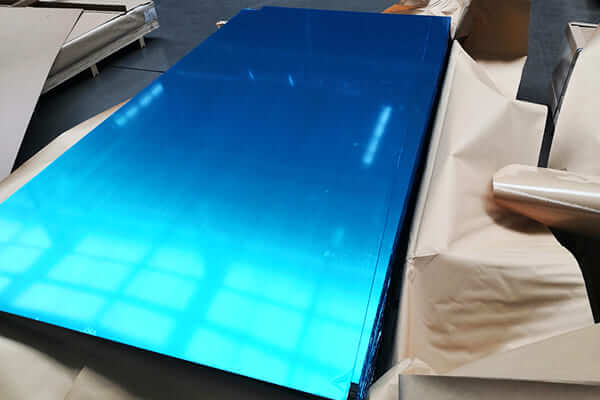
Huasheng 6016 Aluminum sheet for car trunk lid
When selecting an aluminum sheet, focus on these properties:
Typically, aluminum sheets used for trunk lids range from 0.7 mm to 2.0 mm depending on the design, strength requirements, and manufacturing processes.
The primary fabrication method involves stamping, where sheets are pressed into the desired shape.
Deep drawing forms complex contours and reinforcements efficiently.
Joining aluminum for extended panels or reinforcements involves:
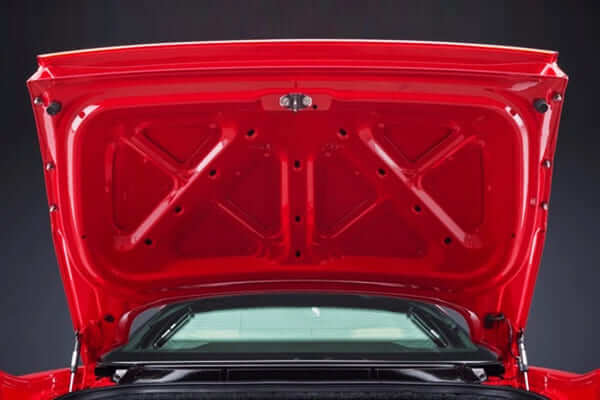
Car trunk lid use
New alloy formulations are pushing the boundaries of lightweight strength:
Heat treatments optimize mechanical properties:
While aluminum sheets may have a higher initial cost than steel, savings accrue through:
Ensure aluminum sheets meet standards like:
Establish partnerships with reputable aluminum suppliers known for:
Designers must incorporate reinforcements cautiously to maintain lightweight advantage without compromising safety:
A high-end sedan replaced steel trunk lids with 6xxx-series aluminum sheets, saving approximately 30% weight while maintaining crash safety standards.
The result was improved fuel economy and a more agile driving experience.
An EV manufacturer adopted aluminum trunk lids to offset battery weight and enhance range. Advanced alloys provided a durable surface resistant to environmental challenges, contributing to greater vehicle lifespan.
Emerging materials incorporate sensors and smart coatings to monitor corrosion and fatigue, enhancing safety and longevity.
AI-driven processes enable precise control of alloy selection, surface treatment, and forming, further optimizing material performance.
Recycling rates will improve, and eco-friendly surface treatments will become standard, reinforcing aluminum’s position as a sustainable choice.
Choosing the right aluminum sheet for car trunk lid offers a compelling way to enhance vehicle performance, safety, and style.
Understanding alloy types, mechanical properties, manufacturing processes, and innovative developments empowers automakers and suppliers to develop superior lightweight components.
By prioritizing high-strength, corrosion-resistant, and flexible aluminum sheets tailored to specific design needs, the automotive industry can continue driving toward more efficient, sustainable, and customer-centric vehicles.
The future belongs to those who harness lightweight strength—lean, tough, and designed for excellence.
Remember: Successful implementation of aluminum trunk lids hinges on collaboration among material scientists, engineers, and manufacturers.
Keep abreast of technological advances, prioritize quality, and focus on practical, user-centered design to unlock aluminum’s full potential in your next automotive project.
Lightweight strength isn’t just a trend—it’s the future of automotive excellence.
Share with PDF: Download

Henan Huasheng Aluminum Co., Ltd (HHALU for short), established in 2001, is located in Huiguo Town, the famous Aluminum capital of Henan Province, It's a professional manufacturer and engages in the research, development, production, sales and service of aluminum sheet plate, aluminum coil, aluminum foil, aluminum strip and aluminum circle.
In addition, HHALU also sell aluminum plate for construction and ships, aluminum mirror plate, and automotive aluminum alloy plate.
No.53, Dongming Road, Zhengzhou, Henan, China
Copyright © Huasheng Aluminum 2025. All rights reserved.
