In the rapidly evolving landscape of automotive engineering, manufacturers are continually seeking innovative materials that improve vehicle performance, safety, and aesthetics.
Among these materials, aluminum sheets have emerged as a game-changer—particularly when it comes to designing durable and lightweight fenders.
This comprehensive guide explores how aluminum sheets are revolutionizing auto design, the myriad benefits they offer, and why they stand out as the favorite choice for modern automotive manufacturers.
Traditional fenders, mainly constructed from steel, have long been the standard in automotive manufacturing. Steel’s strength and affordability made it the default choice for decades.
However, as consumer demands shifted toward lighter vehicles with improved fuel efficiency and enhanced safety features, automakers started to explore alternative materials.
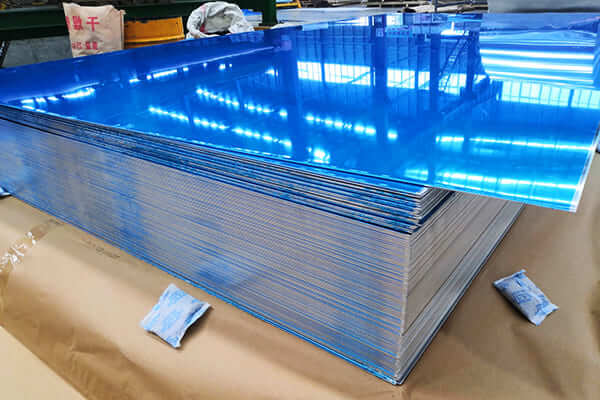
Aluminum sheet for automobile fenders
While steel provides exceptional durability and impact resistance, it comes with notable disadvantages:
As environmental pressures and consumer expectations grew, automakers began to prioritize materials that can deliver strength without the burden of excess weight. Aluminum sheets have entered the arena, promising to overcome many steel limitations.
Over the past two decades, aluminum’s use in vehicles has accelerated, especially in high-performance, luxury, and electric vehicles. The material’s remarkable balance of weight, strength, and corrosion resistance makes it an ideal candidate for fender applications.
Reducing vehicle weight directly contributes to improved fuel economy and reduced emissions. By replacing steel with aluminum sheets for fenders, automakers can achieve substantial weight savings, often in the range of 20-40% per component.
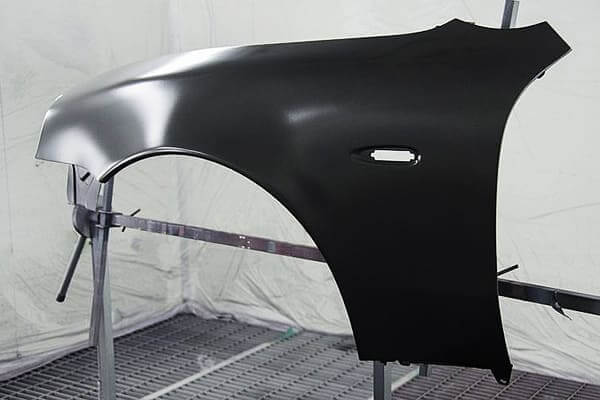
Black painted automobile fenders
Aluminum alloys are engineered to withstand impacts and resist deformation. Modern aluminum fenders display excellent resistance to dents and scratches, maintaining aesthetic appeal over the vehicle’s lifespan.
| Property | Steel Fenders | Aluminum Fenders |
|---|---|---|
| Impact Resistance | High | High |
| Corrosion Resistance | Moderate | Excellent |
| Weight | Heavy | Lightweight |
| Formability | Moderate | Excellent |
| Recyclability | Partial | Complete |
Aluminum’s natural oxide layer acts as a barrier against moisture, salt, and other corrosive elements. This resistance minimizes maintenance needs, reduces the likelihood of rust-related damages, and extends the vehicle’s service life.
Aluminum sheets offer superior malleability, enabling engineers and designers to craft complex, aerodynamic, and aesthetically appealing fenders. Thin, intricate profiles become feasible without compromising structural integrity.
While initial material costs for aluminum might be higher than steel, the savings accrue over time:
Recycling aluminum uses only about 5% of the energy required for primary production, making aluminum fenders a more sustainable choice. This shift supports automakers’ eco-friendly initiatives and aligns with global sustainability goals.
Designing aluminum fenders requires selecting the right alloy to balance strength, formability, and corrosion resistance.
| Alloy Series | Key Features | Typical Uses in Fenders |
|---|---|---|
| 1xxx Series | Pure aluminum, excellent corrosion resistance | Decorative trims |
| 3xxx Series | Aluminum-manganese alloys, good formability | Inner fender linings |
| 5xxx Series | Aluminum-magnesium alloys, high strength | Structural components |
| 6xxx Series | Aluminum-magnesium-silicon alloys, versatile | Main fender bodies |
Recent developments include:
Tesla’s electric vehicles prominently utilize aluminum components, including lightweight fenders, to maximize range and performance. The company leverages advanced aluminum alloys and precision manufacturing to deliver durable, stylish, and efficient vehicles.
Audi’s extensive use of aluminum in models like the A8 showcases the potential for lightweight crafted fenders that do not compromise strength or style, highlighting the material’s maturity in mainstream luxury vehicles.
Ford’s F-150, renowned for its durability and capability, features aluminum alloy body panels, including fenders, setting a precedent for combining toughness with weight savings across the truck segment.
Embedding sensors within aluminum fenders could monitor impact damage, corrosion, or structural health, leading to safer and smarter vehicles.
Ongoing research targets developing alloys combining high strength with exceptional ductility, making aluminum fenders even more durable and adaptable.
Implementing Industry 4.0 principles—such as AI-driven automation—allows for rapid prototyping, precise forming, and consistent quality in aluminum sheet components.
Recycling technologies will continue improving, leading to closed-loop systems where aluminum fenders are produced, recycled, and remanufactured seamlessly, minimizing environmental impact.
The shift toward aluminum sheets in auto fender design marks a significant leap forward in automotive innovation.
Its superior benefits—lightweight construction, durability, corrosion resistance, design flexibility, and sustainability—set a new standard for durability and efficiency in vehicle manufacturing.
As technology advances and industry adoption grows, aluminum sheets will continue to redefine what it means to craft durable, lightweight, and stylish fenders, ultimately revolutionizing auto design for generations to come.
Choosing aluminum isn’t just a trend; it’s a strategic move driven by the pursuit of excellence, sustainability, and superior performance.
Embracing this material unlocks new possibilities—paving the way for safer, more efficient, and environmentally responsible vehicles worldwide.
To stay ahead in the auto industry and harness the full potential of aluminum sheets for durable and lightweight fenders, manufacturers and designers must invest in research, innovation, and collaboration.
Share with PDF: Download

Henan Huasheng Aluminum Co., Ltd (HHALU for short), established in 2001, is located in Huiguo Town, the famous Aluminum capital of Henan Province, It's a professional manufacturer and engages in the research, development, production, sales and service of aluminum sheet plate, aluminum coil, aluminum foil, aluminum strip and aluminum circle.
In addition, HHALU also sell aluminum plate for construction and ships, aluminum mirror plate, and automotive aluminum alloy plate.
No.53, Dongming Road, Zhengzhou, Henan, China
Copyright © Huasheng Aluminum 2025. All rights reserved.
