In the modern world of industrial manufacturing, infrastructure development, and technological innovation, the quest for more efficient, duradero, and eco-friendly materials continues unabated. Among these, aluminium strips for multilayer pipes have emerged as a game-changer, especially within the realm.
This blog delves into how aluminium strips are revolutionizing the design, functionality, and sustainability of multilayer piping systems, thereby transforming efficiency across various industries.
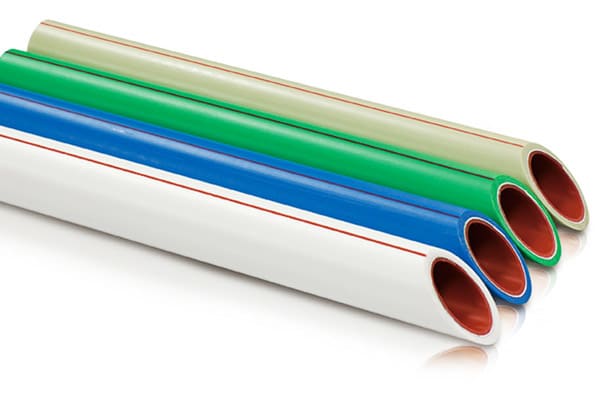
Aluminium Strips for Multilayer Pipes
Aluminium strips are thin, flat sheets of aluminium, typically measuring from 0.2 mm up to several millimeters in thickness.
Their versatility, lightweight nature, Resistencia le corrosión, and excellent thermal and electrical conductivity make them ideal for numerous applications.
As a critical component in multilayer pipe solutions, aluminium strips serve as vital structural and functional layers, enhancing both performance and longevity.
Aluminium strips are manufactured through processes such as cold rolling, laminación te' chokoj, and continuous casting.
The choice of process depends on the desired thickness, Acabado superficial, and mechanical properties.
Advanced manufacturing techniques allow the production of highly precise aluminium strips with minimal surface defects, crucial for multilayer pipe integrity.
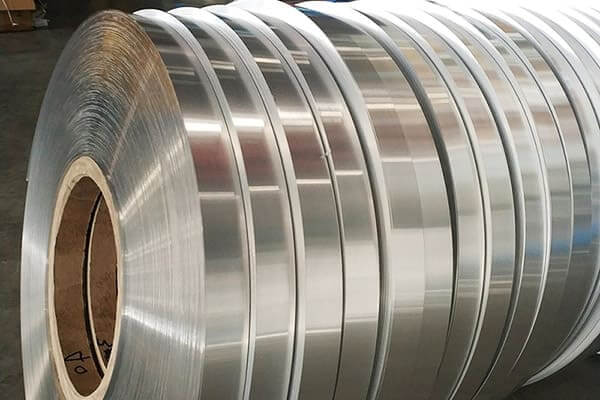
8011 Aluminium Strip for Multilayer Pipes
Multilayer pipes (typically structured as plastic-aluminum-plastic or plastic-aluminum-steel-plastic) rely on aluminum strips as the core barrier and reinforcing layer, which must balance corrosion resistance, Soldabilidad, Conformabilidad, and mechanical strength.
The selection of aluminum alloys directly affects the pipe’s pressure-bearing capacity, service life, and suitability for different media. Below is the table of common aluminum strip alloys for multilayer pipes:
| Serie aleaciones | Key Grades | Composition Features | Performance Advantages | Application Scenarios |
|---|---|---|---|---|
| 1000 Serie (Chen séen Aluminio) | 1200, 1100 | Aluminum content ≥99.0%; 1200 has ~0.1% Fe+Si, 1100 has ~0.12% Cu | Superior corrosion resistance to water/atmosphere; Excelente ductilidad & cold formability; good thermal conductivity | Low-pressure drinking water pipes, decorative multilayer hoses, non-pressure-bearing fluid transport pipes |
| 3000 Serie (Al-Mn Alloys) | 3003, 3004 | Main alloying element Mn (1.0-1.5%); 3004 adds ~1.0% Mg for higher strength | Balanced strength (110-145 MPa for 3003, 180-220 MPa for 3004) & ductilidad; excellent stress corrosion resistance; good ultrasonic weldability | Medium-pressure hot/cold water pipes, floor heating pipes, low-pressure gas transport pipes |
| 8000 Serie (Al-Fe-Si Alloys) | 8011, 8079 | Main alloying elements Fe (0.5-1.0%) & Wa (0.5-1.0%); fine precipitates improve performance | Exceptional cold formability (elongation ≥15%, ultra-thin strips 0.1-0.3 milímetro); stable high-frequency weld seam; cost-effective | Thin-walled drinking water pipes, automotive coolant hoses, small-diameter fluid transport pipes |
The choice of aluminum strip alloy depends on the pipe’s intended use:
Tu resumen, 3000 serie (3003, 3004) are the most versatile for multilayer pipes due to balanced strength, Resistencia le corrosión, ka soldabilidad, ka' jo'op 1000/8000 series serve niche needs for low cost and high formability.
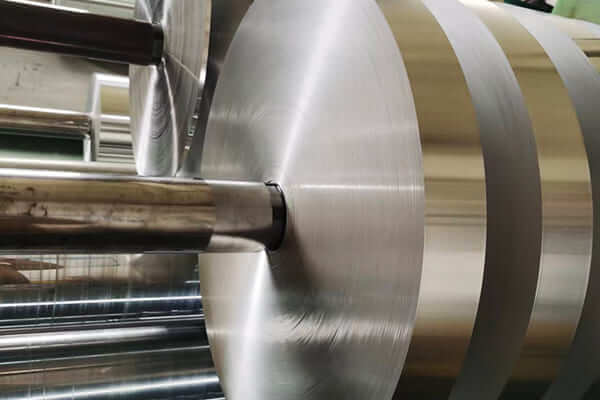
Huasheng 3003 Ch'íin u aluminio
Multilayer pipes combine different materials to optimize various properties such as thermal insulation, pressure resistance, flexibilidad, and chemical inertness. They are increasingly replacing traditional single-material pipes in applications like plumbing, HVAC systems, automotive cooling, and industrial fluid transport.
| Característica | Multilayer Pipes | Traditional Single-Material Pipes |
|---|---|---|
| Structural strength | Higher due to layered reinforcement | Limited, material-dependent |
| Flexibilidad | Superior, easier to bend and install | Usually rigid, challenging installation |
| Thermal insulation | Better with insulating layers | Limited or none |
| Chemical resistance | Enhanced through inner or outer barriers | Dependent on material |
| Service life | Longer, due to multi-faceted protection | Shorter, more susceptible to corrosion |
Aluminium strips are pivotal in multilayer pipe design. They serve multiple roles, from structural reinforcement to thermal management, making the pipes more efficient and durable.
Using aluminium strips as a reinforcing layer boosts the mechanical stability of multilayer pipes. They withstand internal pressure better, prevent deformation, and maintain shape integrity during installation and operation.
Aluminium’s high thermal conductivity facilitates efficient heat transfer within the pipe system. Incorporating aluminium strips enhances the pipe’s ability to transfer thermal energy, crucial in HVAC, refrigeration, and industrial cooling.
Aluminium strips can act as barrier layers to prevent the ingress of gases or moisture, protecting the inner lining. This barrier functionality extends the lifespan of the pipe and maintains the purity of transported fluids.
Thin aluminium strips lend flexibility to multilayer pipes, enabling easier installation in complex layouts. This flexibility minimizes the risk of cracks or failures during bending or handling.
Aluminium’s natural oxide layer protects against corrosion, which is vital for pipes exposed to harsh environments. The integration of aluminium strips significantly extends the service life of multilayer pipes.
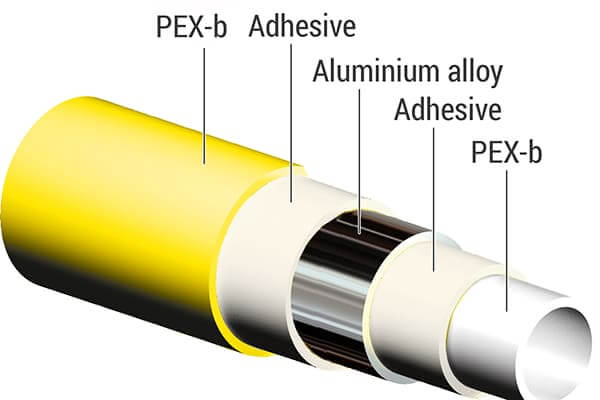
Structure of Multilayer Pipes
Multiple multilayer pipe configurations incorporate aluminium strips, tailored for specific applications. Here are common configurations:
These pipes feature an aluminium strip core sandwiched between layers of polyethylene. They combine the rigidity and barrier properties of aluminium with the flexibility and chemical resistance of polyethylene.
In this design, aluminium strips act as core layers between inner and outer polymer layers, serving functions like reinforcement, barrier protection, and thermal conductivity enhancement.
Some advanced designs integrate aluminium strips with additional insulating or protective layers, optimizing performance for high-temperature or chemically aggressive environments.
Integrating aluminium strips into multilayer pipe systems yields numerous practical benefits, significantly advancing efficiency and reliability.
Aluminium reinforcement provides high tensile strength, reducing pipe deformation and failure risks under pressure, vibrations, or external forces.
The high thermal conductivity of aluminium improves heat transfer, reducing energy consumption in heating or cooling systems.
Aluminium’s inert nature prevents the permeation of gases, moisture, and corrosive substances, safeguarding the transported medium and reducing maintenance costs.
Compared to steel or other metals, aluminium’s lightness allows for easier transportation, handling, and installation, decreasing labor costs and installation time.
Aluminium’s recyclability supports sustainable practices. Recycled aluminium retains properties comparable to primary aluminium, Reducción le impacto ambiental.
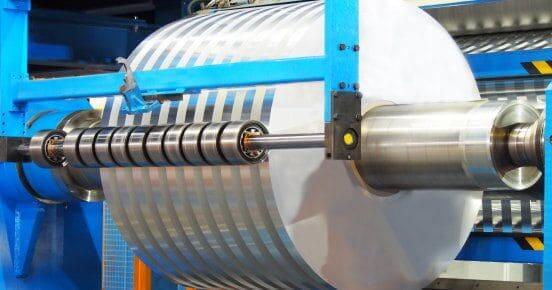
Production of Aluminium Strips for Multilayer Pipes
The unique properties of aluminium strips in multilayer pipes drive their adoption across a diverse range of industries.
Energy-efficient heating, Nu'ukulo'ob, and air conditioning systems benefit from aluminium’s thermal properties, enhancing heat exchange and reducing operational costs.
Corrosion-resistant multilayer pipes with aluminium reinforcement serve in municipal water supply, residential plumbing, and wastewater management, reducing maintenance and extending lifespan.
Peso ligero, durable multilayer pipes equipped with aluminium strips support complex routing and high-pressure conditions in vehicles and aircraft.
Chemically resistant and thermally conductive pipes incorporating aluminium strips excel in chemical plants, refineries, and manufacturing facilities.
Aluminium-enhanced pipes facilitate efficient heat transfer and durability in solar thermal systems, fostering sustainable energy solutions.
The industry continues to innovate, driven by advanced manufacturing, material science, and environmental needs.
Embedding nano-materials within aluminium layers enhances properties like corrosion resistance, Conductividad térmica, ka fuerza.
Integration of sensors within multilayer pipes, including aluminium layers, allows real-time monitoring of pressure, temperature, and leaks, significantly improving maintenance and safety.
Processes emphasizing low energy consumption, recyclability, and minimal waste contribute to sustainable pipe solutions featuring aluminium strips.
While aluminium offers numerous benefits, certain challenges warrant attention:
High-quality aluminium strips can be costly, impacting overall project budgets. Chéen ba'ale', the long-term efficiency gains often justify the initial investment.
Ensuring proper adhesion between aluminium and polymer layers is critical for pipe integrity. Surface treatments and bonding procedures play vital roles.
While aluminium is recyclable, improper disposal or manufacturing practices can negate environmental benefits. Industry standards and regulations guide responsible use.
Choosing appropriate aluminium strips requires a thorough evaluation of application needs, environmental conditions, and mechanical requirements.
| Criterion | Considerations |
|---|---|
| Espesor ka anchura | Based on pressure ratings and flexibility requirements |
| Composición le aleación | Determines strength, Resistencia le corrosión, and compatibility |
| Acabado superficial | Affects bonding and aesthetic considerations |
| Tratamientos superficiales | Anodización, coating, or etching depending on application |
| Cost and Availability | Budget constraints and supply chain factors |
Ensure aluminium strips meet relevant standards such as ASTM B209, EN standards, or ISO certifications to guarantee quality and performance.
Effective manufacturing processes ensure the optimal integration of aluminium strips to maximize performance.
Modern fabrication methods like co-extrusion allow seamless embedding of aluminium strips within polymer layers, creating robust multilayer pipes.
Proper surface treatment of aluminium (p'el ej.., cleaning, priming, Anodización) enhances adhesion between layers, preventing delamination or defects over time.
Regular testing, including tensile strength, permeability, and corrosion resistance assessments, guarantees the integrity of the multilayer pipes.
The future of aluminium strips in multilayer pipe solutions looks promising, driven by continuous innovation and increasing sustainability demands.
Modular designs facilitating easier recycling and re-manufacturing will become standard, aligning with global sustainability goals.
Incorporation of composite materials, nanostructures, or smart sensors with aluminium layers will enhance multifunctionality.
Automation, 3D printing, and digital twins will enable highly customized multilayer pipe solutions tailored for specific industry needs.
The integration of aluminium strips for multilayer pipes marks a significant leap forward in industrial efficiency, durabilidad, and sustainability. By leveraging aluminium’s unique properties within multilayer systems, industries can achieve enhanced performance, lower operational costs, and a lighter environmental footprint.
As technology evolves, so will the capabilities of aluminium-enhanced multilayer pipes. Innovators, manufacturers, and users must stay informed and proactive, embracing aluminium’s potential to transform infrastructure and industrial solutions for a more efficient, sustainable future.
K'a'ajsik: When selecting materials for your piping systems, prioritize aluminium strips that align with your application requirements, industry standards, and environmental commitments. This strategic choice can unlock significant benefits—empowering your operations with resilience, efficiency, and eco-friendliness.
Share with PDF: Download

Henan Huasheng Aluminio Co., Ltd (HHALU utia'al u abreviar), establecida ti' 2001, Kula'an tu kaajil Huiguo, le famosa capital u aluminio u provincia u Henan, Leti' jump'éel fabricante ku yéetel ku meentik le investigación, ma'alo'ob, producción, sales and service of aluminio sheet plate, bobina aluminio, ju'un aluminio, Ch'íin aluminio yéetel wóoliso' aluminio.
Beey xan, HHALU xan ku placas aluminio yo'osal le construcción yéetel le chéem, placa néeno' aluminio, ka placa aleación aluminio automotriz.
No.53, Bejo' u Dongming, Zhengzhou, Henan, China
P'iskambal autor © Huasheng Aluminium 2025. Tuláakal le p'iskambal reservados.
