In the dynamic landscape of modern engineering, transportation, and energy sectors, ensuring the safety, efficiency, and durability of fuel storage has become paramount.
As technological advancements accelerate, material selection stands at the core of designing innovative fuel tanks.
Among the myriad of materials available, 5083 aluminum plates have emerged as a standout choice, celebrated for their superior strength, corrosion resistance, and adaptability.
This comprehensive guide explores how 5083 aluminum plates are fueling innovation in fuel tank technology, highlighting their unparalleled advantages, applications, and potential to reshape the future of fuel storage solutions.
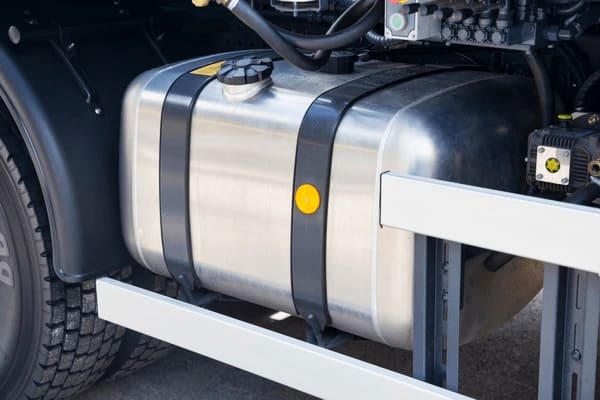
5083 aluminum plate for fuel tank
5083 aluminum belongs to the 5xxx series of aluminum alloys, characterized primarily by the presence of magnesium as the main alloying element.
Its alloy composition is optimized for exceptional performance under demanding conditions. The typical chemical composition includes:
| Element | Content (%) |
|---|---|
| Magnesium | 4.0 – 4.9 |
| Manganese | 0.4 – 1.0 |
| Iron | ≤ 0.4 |
| Silicon | ≤ 0.4 |
| Zinc | ≤ 0.2 |
| Copper | ≤ 0.1 |
| Remaining | Aluminum (balance) |
This alloy composition provides an ideal balance of strength, ductility, and corrosion resistance, making 5083 aluminum plates highly suitable for demanding environments.
5083 aluminum plates are renowned for their exceptional combination of properties:
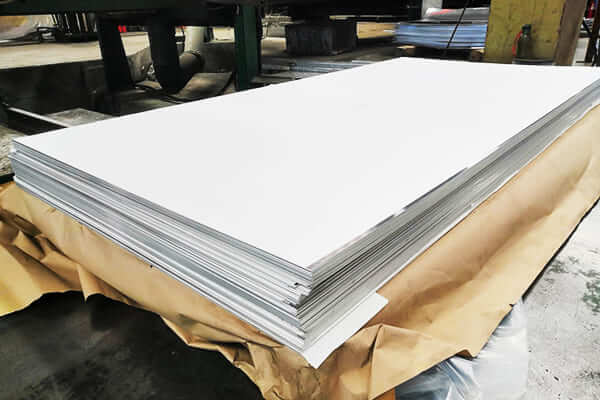
huasheng 5083 aluminum plate display
| Property | 5083 Aluminum | Other Common Alloys (e.g., 5052, 5754) |
|---|---|---|
| Ultimate tensile strength (MPa) | 275 – 350 | 200 – 280 |
| Corrosion resistance | Excellent | Good |
| Weldability | Excellent | Very good |
| Formability | Good | Excellent |
This table underscores the comprehensive advantages of 5083 aluminum over other alloys in the context of fuel tank applications.
In the realm of fuel tanks, safety cannot be compromised. 5083 aluminum plates excel in providing mechanical robustness required to withstand internal pressures, external impacts, and environmental stresses.
Their high strength ensures that tanks remain intact under extreme conditions, significantly reducing the risk of leaks or failures.
Key advantages include:
Fuel tanks often operate in challenging environments, including marine or off-road settings, exposing them to moisture, saltwater, and various corrosive elements.
5083 aluminum’s natural oxide film offers outstanding corrosion resistance, ensuring the tank’s internal and external surfaces remain intact and functional over extended periods.
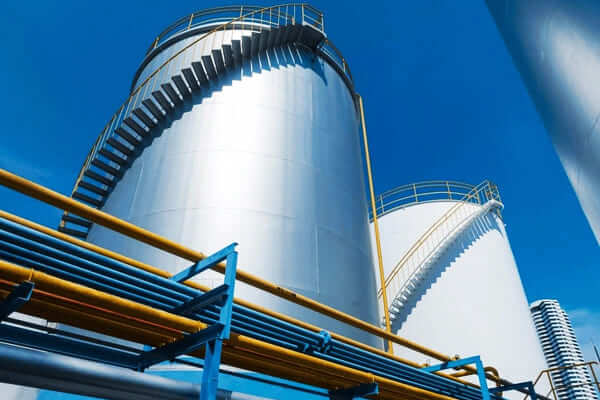
Energy storage tank used 5083 aluminum
Implications:
Manufacturing fuel tanks involves complex welding and shaping processes. 5083 aluminum plates are highly weldable, allowing seamless fusion without compromising mechanical properties.
This facilitates the creation of custom designs, complex geometries, and high-volume production while maintaining structural soundness.
Advantages:
Weight reduction plays a crucial role in enhancing vehicle fuel efficiency and overall performance.
5083 aluminum plates are significantly lighter than traditional steel counterparts, contributing to:
With a global shift towards sustainable practices, using recyclable and environmentally friendly materials becomes essential.
Aluminum is 100% recyclable without loss of properties, aligning with eco-conscious manufacturing and operational practices.
Fuel tanks exposed to marine environments benefit immensely from 5083 aluminum’s corrosion resistance. Its durability ensures safety and reliability during prolonged maritime operations.
In trucks, buses, and specialized vehicles, lightweight 5083 aluminum fuel tanks contribute to improved fuel efficiency, lower emissions, and increased payload capacity.
The aerospace industry demands lightweight yet strong materials for fuel tanks. 5083 aluminum’s excellent strength-to-weight ratio and safety features meet high-performance standards.
Military applications require tanks resilient to extreme conditions. 5083 aluminum plates provide the necessary durability, corrosion resistance, and strength for battlefield and outdoor operations.
Thanks to its excellent machinability, 5083 aluminum allows precise cuts and shaping, enabling manufacturers to produce complex tank geometries that adhere to strict safety regulations.
Proper welding techniques, such as TIG or MIG welding, maximize the alloy’s properties. Skilled operators ensure weld integrity, maintaining the tank’s safety and performance.
Anodizing, polishing, or coating enhances surface properties, providing additional corrosion resistance and aesthetic appeal for fuel tanks.
Rigorous testing, including pressure tests, x-ray inspection, and corrosion assessments, guarantee that finished tanks meet or exceed industry standards for safety and durability.
| Feature | 5083 Aluminum Plate | Traditional Steel Tanks |
|---|---|---|
| Weight | Significantly lighter | Heavier |
| Corrosion resistance | Excellent | Moderate to low |
| Mechanical strength | High, with excellent toughness | High, but heavier |
| Weldability | Excellent | Moderate to challenging |
| Environmental impact | Recyclable, eco-friendly | Recycling is energy-intensive |
| Lifecycle costs | Lower due to durability and corrosion resistance | Higher, due to maintenance and corrosion issues |
This comparison underscores why industries increasingly favor 5083 aluminum for fuel storage solutions.
Safety standards like API 650, ASME, and ISO impose strict requirements on fuel tank materials. 5083 aluminum plates, with their proven performance, often exceed these standards, offering peace of mind.
5083 aluminum’s tight welds and corrosion resistance reduce leak risk, thereby ensuring compliance with environmental and safety regulations.
While aluminum is not fireproof, proper design and coating treatments enhance fire safety, making 5083 aluminum tanks suitable for high-demand applications.
Ensuring the aluminum plates meet ASTM or other relevant standards guarantees quality. Reputable suppliers provide certified 5083 aluminum plates with traceability.
Using CAD simulations and stress analysis ensures that tank designs maximize the strengths of 5083 aluminum, optimizing safety and efficiency.
While initial costs may be higher than steel, the long-term savings from reduced maintenance, extended lifespan, and weight savings justify the investment.
Switching to aluminum aligns with corporate sustainability goals, reducing environmental impact and enhancing brand reputation.
Research continually enhances 5083 aluminum properties, aiming for even higher strength, better weldability, and enhanced environmental resistance.
Combining aluminum with composites or other materials offers opportunities to further optimize weight, strength, and safety features.
Integrating sensors and IoT technologies with aluminum tanks can improve safety, monitoring, and maintenance capabilities.
In today’s fast-evolving technological and environmental landscape, choosing the right material for fuel tanks is critical.
5083 aluminum plates stand out as the superior solution, combining unmatched strength, corrosion resistance, lightweight properties, and versatility.
These attributes collectively enable manufacturers to develop safer, more durable, and eco-friendly fuel storage systems — essential components powering the engines of modern innovation.
The strategic use of 5083 aluminum plates not only enhances current fuel tank designs but also paves the way for future breakthroughs in energy storage solutions.
As industries strive for safer, more efficient, and sustainable operations, 5083 aluminum emerges as the material that fuel the future of state-of-the-art fuel tanks.
Share with PDF: Download

Henan Huasheng Aluminum Co., Ltd (HHALU for short), established in 2001, is located in Huiguo Town, the famous Aluminum capital of Henan Province, It's a professional manufacturer and engages in the research, development, production, sales and service of aluminum sheet plate, aluminum coil, aluminum foil, aluminum strip and aluminum circle.
In addition, HHALU also sell aluminum plate for construction and ships, aluminum mirror plate, and automotive aluminum alloy plate.
No.53, Dongming Road, Zhengzhou, Henan, China
Copyright © Huasheng Aluminum 2025. All rights reserved.
