In the highly competitive world of tobacco product packaging, the choice of foil material can influence shelf appeal, સુગંધ રીટેન્શન, product integrity, and even anti-counterfeiting capabilities. Among the leading options, 1235 Aluminum Foil for Cigarette Packing stands out for its combination of high purity, નરમાઈ, and robust barrier performance.
This blog post provides a comprehensive, data-informed view of 1235 aluminum foil as it applies to cigarette packing, including technical specifications, manufacturing considerations, laminate structures, ગુણવત્તા નિયંત્રણ, market trends, and practical guidance for buyers and converters.
By exploring the role of 1235 aluminum foil in cigarette packaging, we aim to offer practical, actionable insights for brand owners, પેકેજિંગ ઇજનેરો, કન્વર્ટર, and suppliers.
This article also features Huasheng Aluminum, a supplier with extensive experience in aluminum foil for packaging.
We introduce Huasheng Aluminum as a credible partner with a track record in producing high-purity, consistently milled 1235 foil suitable for cigarette packing applications, backed by quality management systems, technical know-how, and a customer-focused approach.
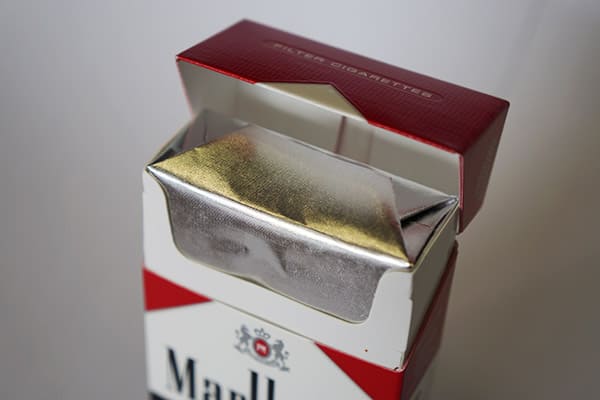
પેકેજ્ડ સિગારેટ ડિસ્પ્લે
1235 એલ્યુમિનિયમ વરખ is a commercially pure wrought aluminum alloy. It is typically described as having a purity of around 99.3% પ્રતિ 99.5% એલ્યુમિનિયમ, with trace impurities tightly controlled to achieve excellent formability and ductility.
The alloy designation 1235 indicates a non-heat-treatable grade, which means that strength is primarily achieved through work hardening and the method of processing rather than through aging.
In cigarette packing, the foil used is a thin sheet, often in the range of a few micrometers thick, that serves as a moisture and aroma barrier when laminated with other substrates.
Key attributes of 1235 aluminum foil in cigarette packing include:
– High purity and corrosion resistance, enabling stable long-term performance in the presence of humidity and volatile compounds.
– Excellent formability and puncture resistance for converting into thin, flexible foils that can be multilayer laminated.
– Good surface finish suitable for printing and lamination, which supports brand aesthetics and security features.
1235 foil offers a unique balance of properties that align well with cigarette packaging needs:
– અવરોધ કામગીરી: Aluminum foil provides a formidable barrier to moisture, પ્રાણવાયુ, સુગંધ, and light when used as a component of multi-layer laminates. This helps maintain product freshness and prevent transmission of aromas or moisture that could affect flavor perception or consumer experience.
– Ductility and drawability: Because 1235 is highly ductile, it can be drawn into very thin gauges, enabling the production of flexible, light-weight laminates without tearing or cracking during converting, પ્રિન્ટીંગ, or film lamination.
– Printability and surface finish: The bright finish and clean surface of 1235 foil support high-quality printing and coating, which is valuable for branding, tamper-evidence features, and consumer communication on cigarette packs.
– Compatibility with laminates: 1235 foil is well-suited to lamination with PET, LDPE, Vooh, કાગળ, and other polymers used in cigarette packaging. This versatility supports a broad range of laminate structures, enabling packaging designers to tailor barrier performance, lamination strength, and overall pack performance.
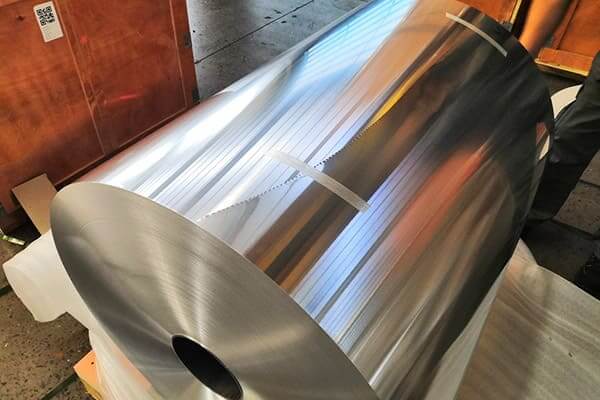
1235 સિગારેટ પેકિંગ માટે એલ્યુમિનિયમ ફોઇલ
1235 aluminum foil is formed from commercially pure aluminum with a high degree of ductility and low alloying content. Typical attributes relevant to cigarette packaging include:
– શુદ્ધતા: અંદાજે 99.3% પ્રતિ 99.5% એલ્યુમિનિયમ, with trace impurities controlled to support stable performance across processing steps.
– ટેમ્પર: Commonly available in softness grades suitable for deep drawing and lamination; temper can be adapted to achieve specific ductility and tear resistance.
– Thermal properties: Excellent thermal conductivity and a broad operating temperature range, which reduces the risk of thermal damage during sealing and lamination processes.
– કાટ પ્રતિકાર: High resistance to corrosive environments, which helps the foil resist discoloration and pitting that could affect optical and barrier properties.
The core value of 1235 foil lies in its barrier performance when integrated into multilayer structures. In cigarette packaging, the foil often contributes to:
– ભેજનું અવરોધ: Aluminum provides a robust barrier against ambient humidity, protecting the product and the pack’s interior from moisture ingress that could compromise freshness or pack integrity.
– ઓક્સિજન અવરોધ: The foil layer helps limit oxygen transfer, supporting aroma retention and preventing oxidative reactions in the tobacco product.
– Aroma barrier: By reducing volatilization of aromas, the foil-laminate combination helps preserve consumer expectations regarding taste and scent.
– પ્રકાશ અવરોધ: Aluminum effectively blocks light, protecting color-sensitive inks and minimizing photo-oxidation of packaging materials underneath.
વ્યવહારમાં, 1235 foil is used in conjunction with laminating films such as PET, પીઈ, or EVOH to achieve target overall barrier properties and mechanical performance. The exact performance is a function of foil thickness, laminate structure, સીલિંગ તાપમાન, and converting parameters.
Key mechanical considerations for 1235 foil used in cigarette packaging include:
– Ductility and elongation: The foil must sustain forming operations without cracking or tearing during the lamination and conversion processes. The high ductility of 1235 supports tight radii and complex shapes used in cigarette packaging structures.
– તણાવ શક્તિ: While not as strong as harder alloys, 1235 offers adequate strength for thin-gauge foils used in consumer packaging, particularly when paired with protective laminate layers that distribute stress during handling and filling.
– આંસુ પ્રતિકાર: Balanced tear resistance is essential for converting and packaging lines that require clean breaks and predictable perforations or perforation patterns for product presentation and opening experiences.
એક સુંવાળી, uniform surface finish is important for high-quality printing, લેબલીંગ, અને બ્રાંડિંગ. 1235 foil typically provides:
– A bright, reflective surface that enhances aesthetic appeal on consumer packs and cartons.
– Good adhesion characteristics for inks and coatings used in lamination, પ્રિન્ટીંગ, and protective coatings.
– Compatibility with various printing techniques including flexography, offંચું કરવું, અને ડિજિટલ પ્રિન્ટીંગ, enabling vivid brand imagery and security features on cigarette packaging.
In cigarette packaging, 1235 aluminum foil is used in very thin gauges. Typical thickness ranges include:
– વરખ જાડાઈ: 10 પ્રતિ 15 માઇક્રોમીટર (0.010–0.015 mm) for standalone foil layers within laminates.
– Laminate assembly: When combined with other materials, the overall “visible” or exterior laminate thickness grows, but the aluminum component generally stays in the 10–15 µm range.
– સહનશીલતા: Thickness tolerances are usually in the ±1–2 µm range, depending on the supplier, rolling mill, and downstream finishing processes.
નૉૅધ: Values vary by rolling mill, annealing treatment, and the final laminate design. Buyers should obtain a detailed datasheet from the supplier for exact specs, including tight tolerance options (દા.ત., ±0.5 µm) if required by the packaging design.
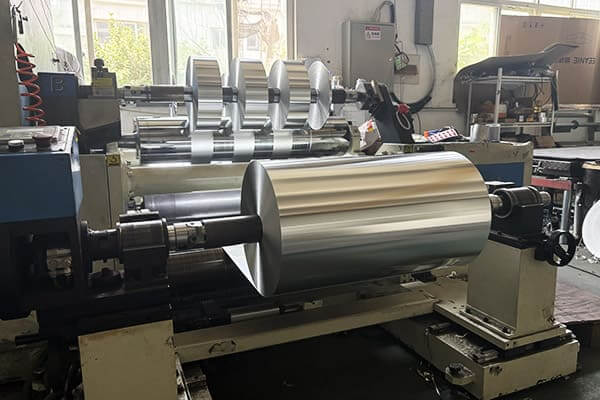
હુઆશેંગ 1235 Aluminum Foil Slitting Process
નું ઉત્પાદન 1235 aluminum foil typically involves:
– Casting and rolling: Beginning with a hot-rolled plate or cast slab of high-purity aluminum, the material undergoes multiple passes through rolling mills to reduce thickness to the desired micron scale. The process emphasizes maintaining surface quality and dimensional stability.
– એનેલીંગ: To achieve the desired ductility, the foil is annealed under controlled temperatures and times, providing the necessary softness for deep drawing and lamination while preserving mechanical integrity.
– Edge conditioning and slitting: After thickness is achieved, the foil is slit to precise widths suitable for laminates and packaging machine reels. Edge conditioning ensures clean, defect-free edges suitable for high-speed converting lines.
– સપાટીની સારવાર અને કોટિંગ: ગ્રાહક જરૂરિયાતો પર આધાર રાખીને, the foil surface may receive protective coatings, anti-corrosion treatments, or surface finishing to improve printing and lamination performance.
Tempering decisions influence how well the foil behaves during lamination and sealing:
– Higher degrees of softening (lower work-hardening) improve drawability and reduce tearing risk during lamination.
– Controlled annealing cycles help maintain a balance between ductility and surface quality, ensuring compatibility with printings and coatings.
– The choice of temper is often a function of the laminate design (દા.ત., a softer foil for easier consolidation with PET while maintaining barrier performance).
Final steps in preparing 1235 foil for cigarette packaging include:
– Slitting to narrow widths used in cigarette packaging laminates and printed film rolls.
– Tension control and edge trimming to guarantee uniform width and reliable feed on high-speed converting equipment.
– Inspection for defects such as pinholes, સ્ક્રેચમુદ્દે, and color variance, which can affect barrier performance as well as aesthetics.
Manufacturers emphasize rigorous QA processes to ensure consistent quality. Typical QA activities include:
– In-line thickness measurement and measurement verification across the web to detect thickness variances.
– Surface inspection for defects and caliper checks for consistency.
– Peel adhesion tests and lamination compatibility tests to ensure the foil adheres well to selected film layers.
– Oxygen and moisture barrier tests on laminate samples to verify end-use performance.
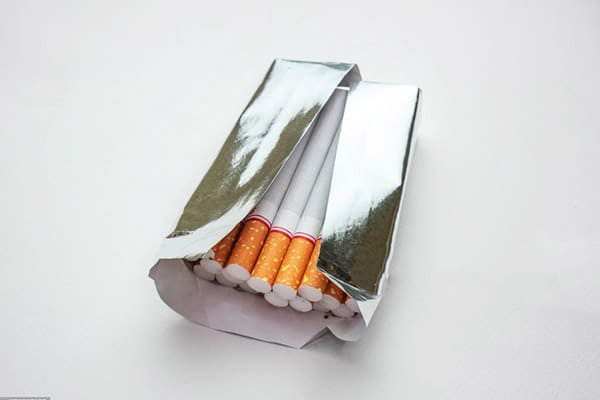
Details of Cigarette Packaging Aluminum Foil
In cigarette packaging, aluminum foil rarely serves as a stand-alone barrier. તેના બદલે, it forms one layer in a multi-layer laminate. Common configurations include:
– Monofoil: A single layer of aluminum foil combined with a polymer layer (દા.ત., PE or PET). The laminate benefits from the foil’s barrier properties while relying on the polymer layer for structural integrity and sealing compatibility.
– Multi-layer laminates: Foil is laminated with polyolefins (PE/PP), polyesters (પાલતુ), ethylene vinyl alcohol (Vooh), and/or paper boards to create a strong barrier stack that blocks moisture, પ્રાણવાયુ, સુગંધ, and light while enabling printability and sealing.
Typical laminate structures using 1235 foil may include:
– PVC/PET/Al/PE or PET/Al/PE configurations in hard-pack or soft-pack formats, designed to maximize moisture and aroma barrier while enabling heat sealing and peal-off features.
– Paper-based laminates: Al/foil laminated to paper substrates to create a paperboard-like feel with barrier properties suitable for carton-wraps and outer wrappers.
– High-barrier laminates: Al/foil combined with EVOH or polyamide layers for enhanced gas barrier performance, particularly where longer shelf life or exposure to variable climates is anticipated.
The foil layer contributes to:
– A rigid barrier base that reduces gas diffusion when combined with other polymers and barrier layers.
– A support framework for printing and surface finishing, enabling robust imaging, brand elements, and security features.
In cigarette packing, security is a growing concern. 1235 foil-based laminates can support anti-counterfeiting measures such as:
– Holographic or microtext overlays embedded into the laminate structure.
– Opaque printing layers that obscure content from counterfeiters while remaining legible to the consumer.
– Precision-covered seam lines and tamper-evident features integrated into the laminate and carton structures.
Quality control is essential to ensure consistent performance across lots and shipments. Common tests include:
– Thickness tolerance verification: Using micrometers and non-contact gauges to confirm consistent foil thickness along the width and length of rolls.
– પિનહોલ શોધ: Automated inspection systems identify pinholes that can compromise barrier performance.
– સપાટી ગુણવત્તા નિરીક્ષણ: Visual and optical checks for scratches, વિકૃતિકરણ, or surface defects that could impact lamination or printing.
– Lamination compatibility tests: Bond strength tests to ensure robust adhesion to PET, પીઈ, Vooh, or paper layers across sealing temperatures.
– અવરોધ પરીક્ષણો: ઓક્સિજન ટ્રાન્સમિશન દર (ઓટ્ર) and Water Vapor Transmission Rate (ડામર) testing on laminate samples to verify barrier targets.
– યાંત્રિક પરીક્ષણો: વિરામ -લંબાઈ, તણાવ શક્તિ, and tear resistance under conditions that mimic converting and packaging operations.
1235 foil for cigarette packing adheres to standards that govern packaging materials and consumer safety. These may include:
– General packaging and materials standards relevant to aluminum foil, including thickness tolerances and surface finish requirements.
– Food-contact and packaging-protective standards where applicable, although cigarette packaging is often governed by consumer packaging regulations rather than food-contact rules.
– Industry-specific guidelines for tobacco packaging in various regions, including requirements for tamper-evidence, છાપવાયોગ્ય, and seal integrity.
– Environmental and sustainability standards related to recycling, waste management, and supplier responsibility.
નૉૅધ: The exact standards and compliance requirements can vary by region and customer. Suppliers typically provide data sheets and certification documentation to demonstrate conformance to relevant norms.
| મિલકત / લક્ષણ | 1235 એલ્યુમિનિયમ ફોઇલ | 1145 એલ્યુમિનિયમ ફોઇલ | 8011 એલ્યુમિનિયમ ફોઇલ | PET/Al Laminates (general reference) |
|---|---|---|---|---|
| શુદ્ધતા / એલ્યુમિનિયમ સામગ્રી | ~99.3–99.5% Al | ~99% Al | ~99.0–99.2% Al | એન/એ (polymer layer provides barrier, foil supports barrier) |
| Typical foil thickness (µm) | 10–15 µm (common for cigarette laminates) | 12–20 µm | 8–20 µm | એન/એ (laminate thickness varies) |
| Ductility and formability | ઉચ્ચ પ્રતિરક્ષણા; excellent drawability | Moderate ductility | સારી નમ્રતા, કરતાં નીચું 1235 | એન/એ (polymer-based) |
| અવરોધ કામગીરી (સંબંધિત) | Excellent barrier when laminated; primary metal barrier | Good barrier, often used for standard laminates | Good barrier; commonly used in general packaging | Dependent on polymer; aluminum layer boosts barrier in laminates |
| Printing surface quality | Excellent for high-quality printing | Good printing surface | Good to excellent depending on coating | Printing is on polymer layer; metal foil provides base for graphics after lamination |
| સીલિંગ સુસંગતતા | Works well with heat-sealing lamination on chosen polymers | Good sealing compatibility | Often requires specialized adhesive systems | Laminate design determines seal behavior |
| Anti-counterfeiting potential | High with integrated security features | માધ્યમ | Moderate to high with special coatings | Security features embedded in laminate or carton level |
| ટકાઉપણું / પુનઃઉપયોગીતા | ઉચ્ચ રિસાયક્બિલિટી; foil is often recycled with other packaging films | ઉચ્ચ રિસાયક્બિલિટી; similar considerations | High recyclability when recovered from laminate streams | Highly dependent on polymer content and recycling streams |
| Typical applications in cigarette packaging | Primary foil layer in multilayer laminates for packs, sleeves, and cartons | Secondary foil layer options; used in some laminate configurations | Used in combination laminates; more common in non-cigarette packaging | Used as outer or inner laminate layers; packaging grade polymer layers dominate |
| Supply and cost considerations | Commonly available; cost varies with thickness; long-term supply reliability is essential | Generally lower cost per micron; વ્યાપકપણે ઉપલબ્ધ છે | Typically lower cost than premium foil; varies by region | Polymer-based laminates contribute to cost and handling considerations |
Huasheng એલ્યુમિનિયમ is a reputable supplier of aluminum foil products with a focus on packaging applications. કંપની ભાર મૂકે છે:
– Commitment to quality and consistent supply: A track record of serving global packaging brands with reliable foil products and supply chain stability.
– Broad capability set: Production of high-purity aluminum foils, સહિત 1235 aluminum foil designed for cigarette packing, as well as related laminate-ready foils and surface-treated variants.
– Certifications and quality systems: ISO-based quality management practices, with traceable lot numbers, QA testing, and documented data sheets for all product grades.
1235 aluminum foil offers high purity, ઉત્તમ નમ્રતા, and robust barrier properties when used in multilayer laminates. Its softness and printable surface support high-quality branding, while the foil layer contributes to moisture and aroma barrier performance, helping to preserve product quality.
For cigarette packaging laminates, 1235 foil is commonly used in the 10–15 micrometer range per foil layer. The overall laminate thickness will be greater due to other layers such as PET, પીઈ, Vooh, અથવા કાગળ, but the aluminum component remains thin to optimize lightness, ખર્ચ, and material performance.
Packaging design, including the number of laminate layers, sealing method, and required barrier performance, directly impacts foil specifications. A design emphasizing aroma retention and moisture protection may push toward higher barrier laminates with EVOH or similar layers, while branding-focused designs may prioritize surface quality and printability. The foil choice should align with these design goals to optimize performance and cost.
Lead times vary by thickness, સપાટીની સારવાર, and customization requirements. Typical lead times may range from several weeks for standard configurations to several months for highly customized runs with strict tolerances and additional surface treatments. Early engagement with the supplier helps align timelines with production schedules.
1235 Aluminum Foil for Cigarette Packing represents a highly effective solution for modern cigarette packaging.
Its combination of high aluminum purity, નરમાઈ, and robust barrier performance enables the creation of multilayer laminates that protect product quality, support high-quality branding, and meet evolving consumer expectations.
When integrated with carefully designed laminate structures—whether PET/Al/PE, EVOH-containing stacks, or paper-based laminates—1235 foil delivers reliable performance across a range of climates and supply chain conditions.
Choosing the right foil involves a careful alignment of material properties with laminate design, સીલિંગ જરૂરિયાતો, and brand goals.
Suppliers such as Huasheng Aluminum bring a wealth of experience in packaging foils, સહિત 1235 aluminum foil for cigarette packing.
They can assist with material selection, પ્રક્રિયા ઓપ્ટિમાઇઝેશન, testing plans, and ongoing quality assurance to ensure the final packaging meets performance, નિયમનકારી, and sustainability expectations.
સારમાં, આ 1235 Aluminum Foil for Cigarette Packing is a mature, versatile solution that continues to evolve with packaging innovations.
By understanding its properties, પ્રક્રિયા વિચારણા, and how it interacts with laminate structures, packaging professionals can create cigarette packs that not only protect product quality but also deliver strong brand impact, consumer trust, and responsible environmental performance.
પીડીએફ સાથે શેર કરો: ડાઉનલોડ કરવું

હેનાન હુઆશેંગ એલ્યુમિનિયમ કો., લિ (ટૂંકમાં HHALU), માં સ્થાપના કરી 2001, Huiguo Town માં સ્થિત થયેલ છે, હેનાન પ્રાંતની પ્રખ્યાત એલ્યુમિનિયમ રાજધાની, તે એક વ્યાવસાયિક ઉત્પાદક છે અને સંશોધનમાં જોડાય છે, વિકાસ, ઉત્પાદન, ના વેચાણ અને સેવા એલ્યુમિનિયમ શીટ પ્લેટ, એલ્યુમિનિયમ કોઇલ, એલ્યુમિનિયમ વરખ, એલ્યુમિનિયમ સ્ટ્રીપ અને એલ્યુમિનિયમ વર્તુળ.
વધુમાં, HHALU બાંધકામ અને જહાજો માટે એલ્યુમિનિયમ પ્લેટ પણ વેચે છે, એલ્યુમિનિયમ મિરર પ્લેટ, અને ઓટોમોટિવ એલ્યુમિનિયમ એલોય પ્લેટ.
નં.53, ડોંગમિંગ રોડ, ઝેંગઝોઉ, હેનાન, ચીન
કૉપિરાઇટ © Huasheng એલ્યુમિનિયમ 2025. બધા હકો અમારી પાસે રાખેલા છે.
