Modern automotive engineering continuously pushes the boundaries of vehicle safety, efficiency, and performance. Among the innovative components transforming the automotive landscape, aluminum material for car heat shield has emerged as a pivotal element in enhancing vehicle protection and optimizing performance.
This comprehensive guide explores how aluminum heat shields are revolutionizing automotive design, their functional advantages, manufacturing processes, practical applications, and future potential.
Whether you’re a vehicle enthusiast, a professional mechanic, or a manufacturer seeking the latest advancements, this article provides an in-depth, reliable, and user-centered exploration of aluminum heat shields, empowering you with knowledge to make informed decisions.
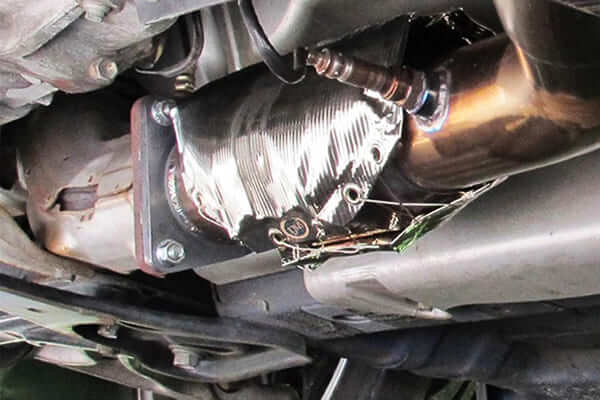
Car body heat insulation aluminum foil
Aluminum material for car heat shield is protective barriers crafted from aluminum or aluminum alloys, designed to safeguard various vehicle components from excessive heat generated during engine operation, exhaust emissions, or external environmental factors.
Their primary role is to prevent heat-induced damage, improve safety, and optimize engine and vehicle performance.
Effective heat management plays a crucial role in vehicle longevity, fuel efficiency, and safety. Excessive heat can cause:
Consequently, implementing reliable heat protection strategies, such as aluminum heat shields, becomes essential in modern automotive systems.
Aluminum material for car heat shield is commonly fabricated using various aluminum alloys, each selected based on specific performance requirements, weight considerations, and durability. The most frequently used are:
| Aluminum Alloy Type | Key Features | Typical Applications |
|---|---|---|
| 1100 Aluminum | High purity, excellent corrosion resistance, good thermal conductivity | General-purpose heat shields, decorative trims |
| 5052 Aluminum | Superior corrosion resistance, moderate strength | Underbody shields, wheel wells |
| 6061 Aluminum | Good strength, weldability, moderate corrosion resistance | Exhaust system shields, structural components |
| 5083 Aluminum | High strength, exceptional corrosion resistance | Heavy-duty applications, marine environments |
The design of aluminum material for car heat shield focuses on:
Common manufacturing methods include:
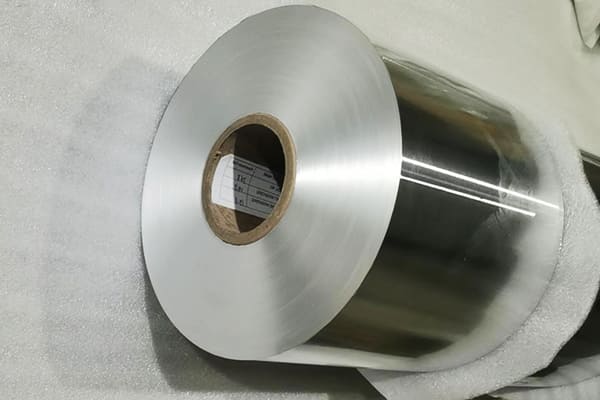
Huawei Aluminum Foil Jumbo Roll
Aluminum’s reflective surface effectively deflects radiant heat, significantly reducing the temperature of engine bays and exhaust components.
When combined with insulative layers, aluminum material for car heat shield create a barrier that minimizes heat transfer throughout the vehicle.
Compared to traditional steel shields, aluminum offers a favorable strength-to-weight ratio.
Decreasing weight without sacrificing durability enhances overall vehicle efficiency, acceleration, and fuel economy.
Aluminum naturally resists corrosion, especially when treated with protective coatings.
This resistance ensures a longer lifespan, reducing maintenance costs and enhancing reliability under diverse environmental conditions.
Aluminum’s malleability allows manufacturers to produce custom-fit shields, complex geometries, and intricate designs that perfectly align with specific vehicle models, facilitating easy installation and superior protection.
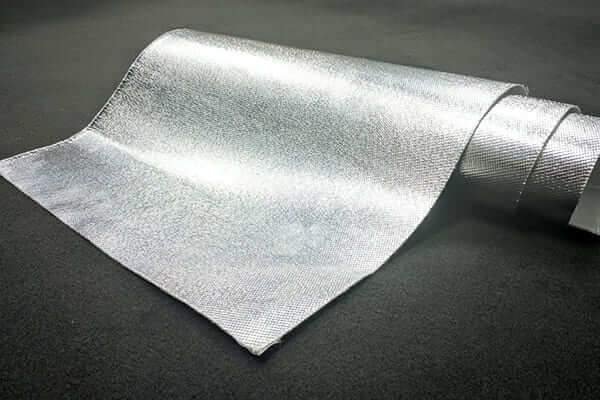
Aluminum Foil for Auto
In engine bays, aluminum material for car heat shield protect vital components such as wiring, electrical systems, and plastic parts from high temperatures caused by combustion processes and exhaust gases.
Exhaust manifolds and catalytic converters generate extreme heat. Aluminum shields prevent heat from affecting nearby components, enhance thermal efficiency, and reduce the risk of fire.
Underbody shields limit heat transfer from the exhaust and engine to the passenger compartment, improving comfort and safety.
Aluminum’s resilience to road debris and environmental elements makes it ideal for these applications.
Turbocharged engines operate at high temperatures. Aluminum heat shields help manage and dissipate this heat, enabling the turbo system to function optimally while protecting surrounding components.
As EVs become more prevalent, aluminum material for car heat shield assist in managing battery thermal safety, ensuring longevity, performance stability, and safety under various operating conditions.
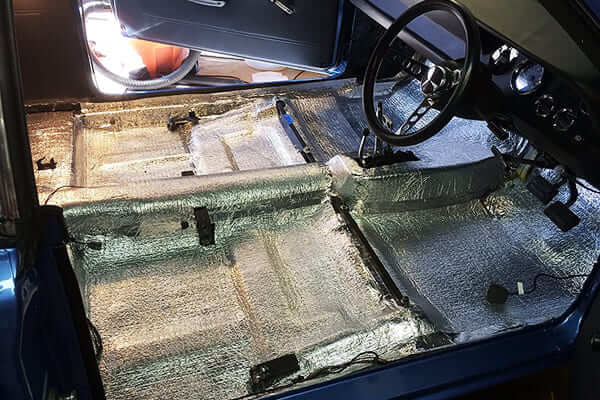
Aluminum Material for Car Heat Shield
Using aluminum heat shields minimizes the risk of heat-related failures, electrical fires, and component degradation, ensuring safer vehicle operation.
Effective heat management leads to improved combustion efficiency and prevents overheating, translating into enhanced power output and fuel economy.
Aluminum’s durability reduces the need for frequent repairs or replacements, saving vehicle owners money and reducing downtime.
Aluminum is highly recyclable, making heat shields a sustainable choice that aligns with eco-conscious manufacturing practices.
Proper installation ensures maximum contact and effective heat deflection. Manufacturers design aluminum heat shields to match OEM specifications for seamless integration.
Common attachment techniques include:
Emerging coatings improve reflectivity, corrosion resistance, and frictional properties, extending lifespan and enhancing thermal performance.
Innovative multi-layer designs combine aluminum with insulating materials such as ceramic coatings or aerogels, offering superior heat management capabilities.
Integrating sensors and IoT technology can enable real-time temperature monitoring, improving vehicle diagnostics and predictive maintenance.
Designers are developing integrated heat shields that double as structural components, reducing overall vehicle weight and complexity.
| Material | Thermal Conductivity | Weight | Corrosion Resistance | Cost | Durability | Typical Use Cases |
|---|---|---|---|---|---|---|
| Aluminum | High | Light | Excellent | Moderate | Good | Engine bay, exhaust shields |
| Steel | Moderate | Heavy | Moderate | Low | Very Good | Heavy-duty shields, structural parts |
| Titanium | Very High | Heavy | Excellent | High | Excellent | High-performance racing applications |
| Carbon Fiber | Variable | Very Light | Good | Very High | Excellent | Specialty components |
Aluminum’s balance of properties makes it the preferred choice for mainstream automotive heat shields—providing an optimal combination of performance, cost-efficiency, and longevity.
Aluminum retains its properties infinitely when recycled, reducing environmental impact.
Vehicle manufacturers now prefer aluminum heat shields partly because of their sustainability profile.
By enhancing thermal management and reducing vehicle weight, aluminum heat shields indirectly contribute to lower fuel consumption and greenhouse gas emissions.
Innovations in recycling processes and eco-friendly surface treatments continue to make aluminum heat shields a responsible choice in automotive design.
While aluminum offers many advantages, its initial material cost can be higher than steel, impacting manufacturing budgets.
Aluminum’s expansion rate varies with temperature, requiring engineers to consider design tolerances and attachment points carefully.
Though durable, aluminum shields can be susceptible to denting or damage from road debris, necessitating protective measures or reinforcements.
Aluminum material for car heat shield has truly revolutionized vehicle protection and performance.
Their outstanding thermal reflective properties, lightweight nature, corrosion resistance, and versatile design capabilities make them essential in contemporary automotive engineering.
From safeguarding vital components and improving engine efficiency to reducing vehicle weight and aiding environmental sustainability, aluminum heat shields serve as a prime example of how innovative materials can elevate the automotive industry.
As technology advances, expect to see even more sophisticated, smart, and eco-friendly heat management solutions rooted in aluminum’s unique properties.
Embracing these innovations promises safer, more efficient, and more sustainable vehicles for future generations.
Note: This article provided an in-depth exploration of aluminum heat shields, aiming to be your comprehensive resource for understanding their role in automotive performance. For specific product recommendations or technical specifications, consult with qualified automotive professionals or manufacturers.
Share with PDF: Download

Henan Huasheng Aluminum Co., Ltd (HHALU for short), established in 2001, is located in Huiguo Town, the famous Aluminum capital of Henan Province, It's a professional manufacturer and engages in the research, development, production, sales and service of aluminum sheet plate, aluminum coil, aluminum foil, aluminum strip and aluminum circle.
In addition, HHALU also sell aluminum plate for construction and ships, aluminum mirror plate, and automotive aluminum alloy plate.
No.53, Dongming Road, Zhengzhou, Henan, China
Copyright © Huasheng Aluminum 2025. All rights reserved.
