In households around the globe, it’s a daily dilemma.
You’ve just used a piece of aluminum foil, and as you stand before the recycling bin, a common question arises: will recycling it help the process, or risk contaminating the batch?
The definitive answer is Hä, Ar he̲'mi aluminio ar altamente reciclable.
'Ñotho ar embargo, its successful journey from your bin back into a new product depends entirely on how you prepare it.
Unlike the often complex and confusing rules for plastics, the guidelines for recycling aluminum foil are straightforward and rooted in the practical realities of the recycling process.
This guide will provide an authoritative look into not just the “how,” but the critical “Yogo'ä” behind these rules, empowering you to recycle with confidence and maximum impact.
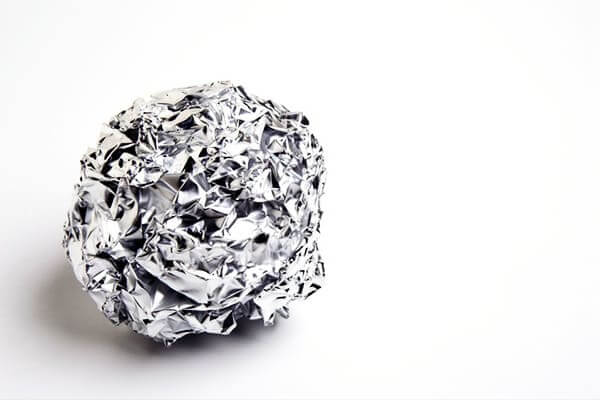
¿Ar reciclable ar he̲'mi aluminio?
Aluminum is a uniquely valuable material because it is infinitely recyclable.
You can melt it down and repurpose it into new products repeatedly without degrading its quality. This makes it a circular material in the truest sense.
For aluminum foil to enter this circular economy, it must meet two non-negotiable criteria at recycling facilities:
Let’s delve into the engineering and operational reasons behind these two simple yet crucial rules.
Understanding the mechanics of a Material Recovery Facility (MRF) illuminates why your preparation at home is so vital.
When aluminum is recycled, it is first shredded and then melted in furnaces that reach temperatures exceeding 1,220°F (660°C).
While a trace amount of moisture or a few crumbs will vaporize in this intense heat, significant food contamination poses a serious threat.
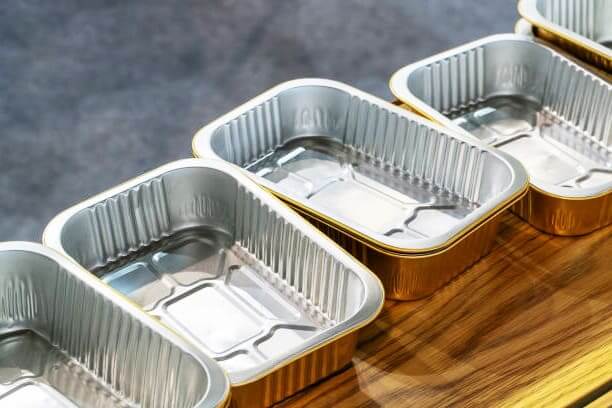
Clean aluminum foil for recyclable
At the MRF, mixed recyclables are sorted using a sophisticated combination of machinery.
This includes large, rotating screens (trommels) to separate items by size and powerful eddy current separators specifically for aluminum.
An eddy current separator uses a strong magnetic field to induce a repulsive force in non-ferrous metals like aluminum, effectively “kicking” them off the conveyor belt into a separate collection bin.
Follow this practical, expert-approved process to ensure your he̲'mi aluminio is always recycled correctly.
Inspect your used foil. A definitive line exists between acceptable and non-recyclable.
Pro-Tip: If a large sheet of foil has one heavily soiled area, simply tear that part off and discard it. The clean portion is still perfectly recyclable.
This is the single most effective technique to ensure your foil makes it through the sorting process.
This simple action transforms a flimsy, easily lost item into a substantial object that the recycling machinery can easily identify and sort.
Recycling small foil items like candy wrappers or yogurt lids one by one is ineffective. Jar lugar ar, adopt the collection ball strategy.
While the principles outlined here are nearly universal, recycling capabilities can vary.
The most authoritative source is your local municipality or waste management provider.
A quick visit to their website to check their “recycling guide” o “waste wizard” tool is a crucial final step to confirm they accept aluminum foil in your area.
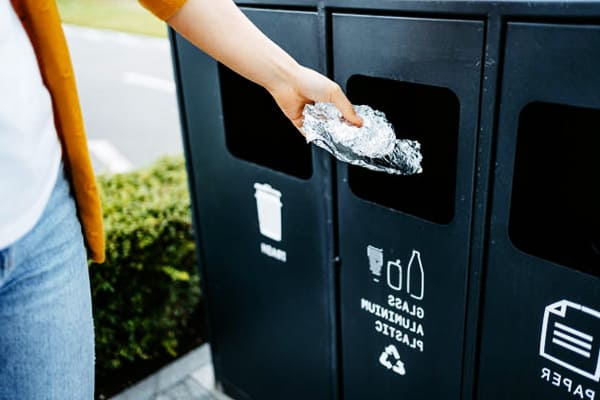
Guide to Perfect Foil Recycling
This recycling principle extends beyond standard kitchen foil.
| Item Type | Reciclable? | Professional Guidance & Key Considerations |
|---|---|---|
| Kitchen Foil Sheets | Hä | Must be clean and balled up to at least 2 Pulgadas. |
| Disposable Pie Plates & Baking Trays | Hä | Scrape out all food. These are often thick and heavy enough to be recycled on their own. |
| Yogurt, Cream Cheese & Pudding Cup Lids | Hä | Rinse them and add them to your larger foil collection ball. |
| Foil from Candy & Chocolate Bars | Hä | Collect these small pieces in your master foil ball until it’s large enough. |
| “Florete” Chip Bags & Granola Bar Wrappers | Hi'nä | Critical Distinction: This is a multi-layer laminate of plastic and a micro-thin layer of aluminum (metalized film). It cannot be separated and is not recyclable. |
| Juice Pouches & Aseptic Drink Boxes | Hi'nä (in most curbside programs) | These are multi-material composites of paper, plástico, and aluminum. They require specialized recycling facilities not available to the general public. |
Why is this small effort so important? The environmental return on investment for recycling aluminum is immense.
Nja'bu da, is aluminum foil recyclable? Hä, unequivocally.
By internalizing the two simple, science-backed principles—ensure it’s clean and scrunch it into a ball at least 2 inches wide—you transition from a recycler who hopes for the best to one who acts with purpose.
Every foil ball you create is a tangible contribution to a healthier planet, a smarter economy, and a more sustainable future.
It is one of the most powerful and simple recycling habits you can practice in your home.

Henan Huasheng Aluminio Co., Ltd (HHALU pa abreviar), establecida jar 2001, o jar Dähnini Huiguo, ar famosa capital ar aluminio ar provincia Henan, Ge 'nar fabricante xi hño ar tsa̲ ne da dedica ár nthoni, nte, producción, sales and service of aluminio placa chapa, bobina aluminio, he̲'mi aluminio, Tira aluminio ne círculo aluminio.
'Nehe, HHALU 'nehe vende placas aluminio pa ár nju̲ts'i ne ya barko, placa espejo aluminio, ne placa aleación aluminio automotriz.
No.53, 'Ñu Dongming, Zhengzhou, Henan, Ntxinä
'Mui autor © Huasheng Aluminium 2025. Nga̲tho ya mfats'i reservados.
