The packaging industry has undergone remarkable transformations over the past few decades, yet few innovations have proven as pivotal as the development of PET composite aluminum foil for bottle caps.
This extraordinary material represents a convergence of advanced engineering, material science, and practical manufacturing expertise that fundamentally changes how manufacturers protect their products.
Whether you’re a beverage producer, pharmaceutical company, or supplement manufacturer, understanding this revolutionary material could dramatically improve your production efficiency and product protection.
Nu'bya, consumers demand packaging that not only protects their products but also reflects quality and sustainability.
PET composite aluminum foil delivers exactly this combination—offering superior barrier properties, exceptional durability, and environmental considerations that traditional materials simply cannot match.
This comprehensive guide explores every dimension of this transformative technology, equipping you with the knowledge needed to make informed decisions about your bottle cap sealing solutions.
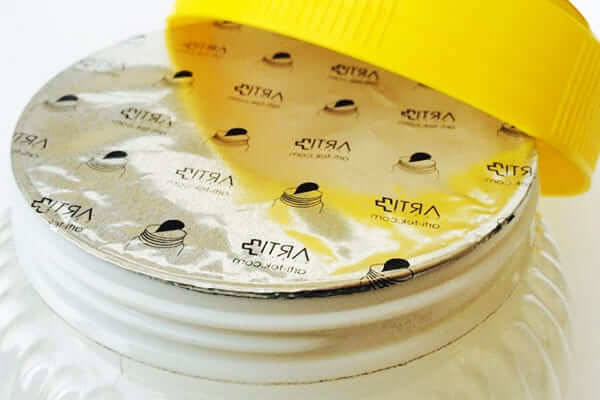
PET composite aluminum foil for bottle caps
PET composite aluminum foil represents an ingenious layering system that combines the best properties of multiple materials.
The structure consists of several distinct layers, each serving a specific purpose in the overall performance of the seal.
The basic composition includes:
This layered approach creates a material that exceeds the capabilities of any single component.
The PET layer provides mechanical strength and heat resistance, while the aluminum foil delivers unparalleled barrier protection.
Together, they create a seal that manufacturers trust to preserve product quality throughout the entire shelf life.
The thickness of each layer matters tremendously.
Manufacturers typically use aluminum foil ranging from 8 Pa 20 Micras, Dependiendo de ya requisitos específicos ya nt'ot'e.
This precision in layering distinguishes premium PET composite aluminum foil from inferior alternatives that compromise on dimensional consistency.
Each layer contributes distinct advantages that work synergistically to create superior performance.
The PET layer, típicamente 20-50 microns thick, provides excellent puncture resistance and withstands mechanical stress during filling and capping operations.
This outer layer protects the aluminum from abrasion and contamination during manufacturing and transport.
Beneath the PET layer lies the critical aluminum foil core.
This component creates an essentially impermeable barrier against oxygen and moisture vapor.
Even trace amounts of these elements can deteriorate product quality, so the aluminum’s barrier properties prove invaluable for long-term product preservation.
The adhesive layer between PET and aluminum demands careful formulation.
It must create molecular-level bonding without degrading during the high-temperature sealing process.
Manufacturers invest significantly in developing adhesives that maintain their bonding strength across temperature fluctuations from -40°C to 85°C.
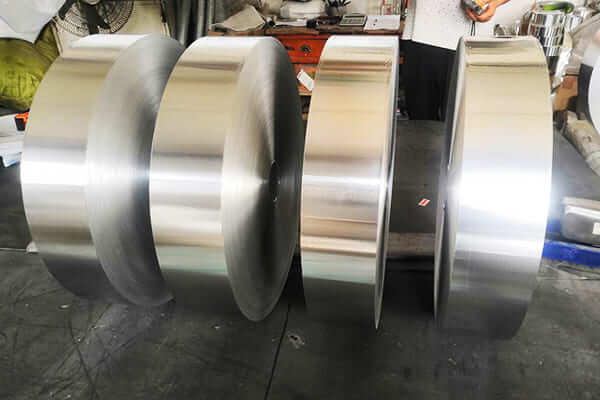
Grades of aluminum foil for PET composite aluminum foil
Manufacturers classify aluminum foil into distinct grades, each optimized for specific applications.
Understanding these grades helps you select the perfect material for your particular needs.
| 'Mui | Espesor (Micras) | Rendimiento ar barrera | Primary Applications | Temperature Range |
|---|---|---|---|---|
| Standard Grade | 8-10 | Xi hño | Water-based beverages, juices | -20°C to 60°C |
| Premium Grade | 12-15 | Excelente | Productos farmacéuticos, aceites, spirits | -40°C to 75°C |
| Industrial Grade | 16-20 | Mäs xi ngu | Unstable formulations, cosméticos | -40°C to 85°C |
| Ultra-Premium Grade | 20+ | Máximo | High-value products, sensitive ingredients | -50°C to 90°C |
Standard Grade aluminum foil works exceptionally well for everyday beverages and non-sensitive products.
These materials deliver reliable protection for products with reasonable shelf-life requirements.
Manufacturers favor this grade for cost-conscious applications where extreme barrier properties aren’t necessary.
Premium Grade foil serves pharmaceutical companies and beverage producers dealing with oxidation-sensitive products.
The enhanced thickness and barrier properties extend shelf life by months or even years compared to standard grades.
This category includes specialty beverages like premium oils, vinegars, and alcoholic spirits that demand protection from atmospheric oxygen.
Industrial Grade materials represent the apex of aluminum foil technology.
These ultra-thick composites provide maximum barrier protection for the most demanding applications.
Manufacturers choose this grade for products containing active pharmaceutical ingredients, essential oils, or other highly reactive compounds.
The investment in premium materials pays dividends through extended shelf life and reduced product waste.
Ultra-Premium Grade foil stands at the frontier of packaging technology.
Reserved for ultra-high-value products, these materials incorporate advanced aluminum alloys and proprietary coating technologies.
Luxury pharmaceutical brands, specialized cosmetics, and premium nutritional supplements often utilize these elite materials.
| Aluminum Foil Grade | Aleación (Típico) | Atemperar | Rango espesor (μm) | Njapu'befi hne ngatho |
|---|---|---|---|---|
| 1235 | ≥99.35% Al (high-purity foil) | O (za̲tho) | 6–20 | General packaging, aislamiento, lamination with PET/PE |
| 8011 | Al–Fe–Si alloy | O / H14 / H18 | 6–30 | Food/pharma packaging, Termosellado, lidding |
| 8079 | Al–Fe–Si alloy (higher elongation than 8011) | O | 6–20 | High-barrier composite films, flexible packaging |
| 3003 | Al–Mn alloy | H14 / H18 | ≥30 | Industrial or insulation composites (less common for PET lamination) |
Bottle cap seals face enormous demands that few materials can meet effectively.
The seal must:
Traditional materials like paper-backed aluminum foil or pure plastic seals fall short in various ways.
Paper backing deteriorates in humid environments, pure plastics lack sufficient barrier properties, and single-material solutions compromise across multiple performance dimensions.
PET composite aluminum foil excels because it strategically combines materials to address every requirement simultaneously.
The PET layer provides mechanical robustness that paper simply cannot deliver.
The aluminum foil core offers barrier protection that plastics cannot match.
The composite structure creates synergistic advantages that exceed the sum of individual components.
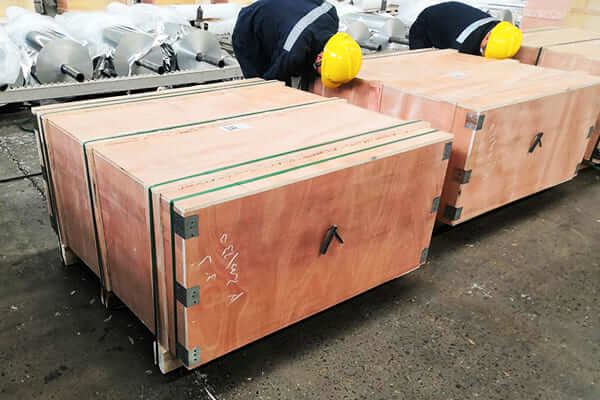
huasheng packaged 1235 he̲'mi aluminio
Creating high-quality PET composite aluminum foil demands sophisticated manufacturing infrastructure and expert process control.
The production journey transforms raw materials into precision-engineered sealing solutions through carefully orchestrated steps.
The manufacturing process begins with raw material preparation.
Manufacturers select premium-grade aluminum coils and virgin or recycled PET resin, ensuring consistent quality from the very beginning.
This attention to input materials establishes the foundation for excellence throughout production.
The coating and lamination phase represents the manufacturing heart.
Specialized equipment applies precise adhesive layers to aluminum foil surfaces, ensuring perfect coverage without excess that would compromise seal quality.
Operators calibrate coating thickness to the micrometer level, recognizing that even slight variations affect final performance.
Lamination presses then bond the PET layer to the adhesive-coated aluminum.
These massive machines apply controlled heat and pressure, merging the materials into seamless composites.
Temperature regulation proves critical—too cool and adhesive bonding fails, too hot and materials degrade.
Expert technicians maintain lamination conditions within narrow specifications throughout each production run.
Quality control inspectors examine samples continuously throughout manufacturing.
They measure thickness, test adhesion strength, verify barrier properties, and conduct puncture resistance assessments.
This multi-stage inspection system catches potential defects before they reach customers.
Manufacturers implementing rigorous quality control protocols distinguish themselves through exceptional product consistency.
The testing regimen includes both standardized industry tests and proprietary assessments that reveal hidden performance characteristics.
Barrier property testing measures oxygen and moisture vapor transmission rates.
Sophisticated instrumentation quantifies exactly how much oxygen and water vapor penetrates through the composite per unit area over specified time periods.
Results must meet or exceed predetermined thresholds for each product grade.
Adhesion strength assessment verifies that layers remain bonded under stress.
Technicians peel test samples at controlled angles and speeds, measuring the force required for separation.
Strong adhesion indicates successful lamination; weak adhesion triggers investigation and process adjustments.
Puncture resistance evaluation simulates real-world handling conditions.
Sharp probes penetrate samples under controlled pressure while sensors measure force required.
This test predicts how seals perform during automated capping equipment operations and customer handling.
Heat resistance testing exposes samples to elevated temperatures mimicking thermal processing, storage in hot climates, and sterilization procedures.
Measurements verify that adhesive bonds remain intact and barrier properties persist after exposure.
Chemical compatibility assessment ensures the composite handles aggressive product compositions.
Samples contact oils, alcohols, acids, and other challenging substances, with technicians monitoring for degradation, swelling, or delamination over extended periods.
Manufacturers maintaining accreditation under ISO 9001, Yá ntsoni jar FDA, or equivalent standards demonstrate commitment to systematic quality management.
These certifications provide customers confidence that products consistently meet specifications.
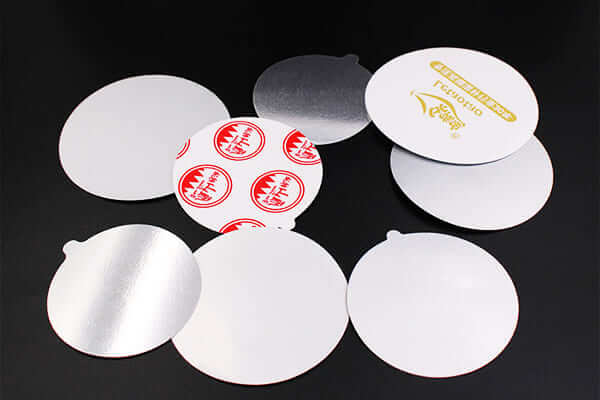
bottle caps
Modern manufacturers increasingly prioritize environmental responsibility throughout PET composite aluminum foil production.
This commitment addresses growing consumer demands and strengthens corporate sustainability profiles.
Water conservation represents a major focus area.
Advanced production facilities recirculate cooling water through treatment systems, dramatically reducing consumption.
Some facilities achieve water recycling rates exceeding 90%, fundamentally transforming their environmental impact.
Energy efficiency improvements stem from equipment upgrades and process optimization.
Modern lamination presses consume substantially less energy than older equipment while delivering superior results.
LED lighting throughout facilities, combined with intelligent automation, further reduce energy consumption.
Waste reduction programs recover scrap material for recycling.
Edge trimmings and production rejects don’t end up in landfills; jar lugar ar, they return to material processors for reuse.
Forward-thinking manufacturers report that 95%+ of production waste streams now achieve recovery.
Emission control technologies capture and treat volatile organic compounds released during lamination processes.
Advanced filtration systems neutralize harmful emissions before atmospheric release, protecting both employee health and ambient air quality.
The barrier properties of PET composite aluminum foil represent its most significant advantage.
Understanding these characteristics illuminates why leading manufacturers consistently choose this material.
Oxygen barrier performance stands unmatched among seal materials.
The aluminum foil core blocks oxygen transmission at rates measured in cubic centimeters per square meter per day—often less than 0.01.
This extraordinary performance maintains product freshness throughout shelf life, whether that extends months for beverages or years for pharmaceutical formulations.
Moisture vapor transmission exhibits similarly impressive performance.
The aluminum layer prevents water vapor penetration, protecting hygroscopic products from humidity absorption.
This proves especially critical for pharmaceuticals, nutritional supplements, and powdered ingredients where moisture uptake degrades product efficacy.
The barrier properties depend critically on seal integrity.
Even microscopic pinholes or delamination initiates rapid degradation of protective capabilities.
This reality underscores why manufacturers invest in rigorous quality control—defects that seem insignificant on visual inspection can prove catastrophic to barrier performance.
Temperature fluctuations test barrier consistency.
As products endure climate variations during storage and transport, seal materials expand and contract.
PET composite aluminum foil maintains barrier integrity across these thermal cycles, preventing the micro-gap formation that compromises inferior materials.
Products containing aggressive substances—alcohols, organic solvents, essential oils, or acidic compounds—demand seals that resist chemical attack.
PET composite aluminum foil delivers this resistance through thoughtful material selection and layer architecture.
The PET outer layer provides exceptional chemical resistance to most organic compounds.
This polymer backbone resists degradation from exposure to alcohol, aceites, and solvents that would swell or soften alternative materials.
The protective layer maintains its integrity whether the sealed product contains 95% ethanol, strong vinegar, or potent essential oils.
The aluminum core adds another dimension of chemical protection.
While aluminum itself can corrode in acidic environments, manufacturers formulate protective coatings that shield the foil from direct contact with corrosive products.
This two-layer approach to chemical resistance ensures reliable performance across diverse product categories.
Manufacturers conduct extended compatibility testing before releasing new formulations.
Products remain sealed in contact with test materials for months, with technicians monitoring for swelling, discoloration, or material degradation.
Only after successful completion of these rigorous assessments do manufacturers approve materials for production use.
Tamper-evident seals provide essential security and consumer confidence.
PET composite aluminum foil excels at delivering visible, verifiable evidence of seal breach.
When properly sealed to bottle lips, the composite material creates strong bonds that resist separation.
Consumers must deliberately tear the seal to open the product, creating distinctive visual evidence that distinguishes opened from unopened bottles.
The tearing action produces ragged edges that cannot be easily concealed or replicated, providing authentic tamper indication.
The multi-layer structure enhances tamper evidence capabilities.
As consumers peel away the seal, different colored layers become progressively visible—aluminum silver reveals through the white PET backing.
This color change sequence provides unmistakable evidence of tampering, protecting both consumers and manufacturers from liability concerns.
The mechanical properties of PET ensure that seal removal requires sufficient force to trigger awareness.
Flimsy or weakly sealed caps might inadvertently separate during handling or transport, creating false tamper indications.
The robust bond of properly applied PET composite aluminum foil prevents accidental separation while remaining deliberately removable through normal opening procedures.
Products sealed with PET composite aluminum foil consistently demonstrate extended shelf life compared to alternatives.
This advantage translates directly to reduced waste, improved distribution efficiency, and greater consumer satisfaction.
Beverage manufacturers particularly appreciate the shelf-life extension.
Juices, soft drinks, and specialty beverages maintain their original flavor and nutritional profiles for months longer when sealed with premium composite materials.
This extended preservation reduces product recalls and replacement requests triggered by premature deterioration.
Pharmaceutical formulations benefit tremendously from enhanced barrier protection.
Active ingredients remain stable at specified potency levels throughout the entire labeled shelf life, improving therapeutic efficacy and patient safety.
The extended preservation of pharmaceutical integrity directly saves lives by ensuring medicines retain their therapeutic properties.
Cosmetic and personal care products maintain their efficacy and sensory qualities for extended periods.
Oxidation-sensitive formulations preserve their original fragrance and texture, reducing consumer disappointment and supporting brand reputation.
Premium skincare lines consistently specify PET composite aluminum foil seals to guarantee product quality at the point of consumer use.
Nutritional supplements and specialty ingredients preserve their potency through extended storage.
Omega-3 oils, antioxidant extracts, and other reactive ingredients remain stable because the aluminum foil blocks the oxygen that triggers oxidation and degradation.
Consumers receive products with promised nutritional value intact.
The beverage sector drove much of the innovation in PET composite aluminum foil technology, and this industry remains the largest consumer of these advanced materials.
The diverse beverage category—from water and juices to alcoholic spirits and specialty drinks—creates varied sealing demands that PET composite aluminum foil addresses with remarkable versatility.
Water and soft beverages benefit from standard to premium-grade composites that maintain product freshness throughout distribution networks spanning continents.
The barriers prevent flavor degradation and maintain carbonation in carbonated beverages, ensuring consumers experience the product as intended by manufacturers.
Premium juices and smoothies sealed with industrial-grade materials exhibit superior oxidation resistance, maintaining vibrant color and nutritional profiles for extended periods.
The barrier properties prove especially valuable for cold-pressed juices and other minimally processed products that lack preservatives.
Specialty beverages including kombucha, plant-based milks, and functional drinks exploit the chemical resistance of PET composite aluminum foil.
These products often contain ingredients that challenge conventional seals, yet the composite material’s resistance to organic compounds ensures reliable performance.
Alcoholic beverages from craft spirits to premium wines frequently specify PET composite aluminum foil for bottle cap seals.
The moisture barrier prevents cork drying in cork-sealed bottles, while the oxygen barrier maintains the complex flavor profiles that connoisseurs expect.
Even screw-cap closures increasingly incorporate these composites for enhanced performance.
The pharmaceutical industry demands the highest standards of product protection and regulatory compliance.
PET composite aluminum foil delivers both through its exceptional barrier properties and proven track record in critical applications.
Tablet and capsule bottles protected with PET composite aluminum foil seals maintain ingredient stability for the entire labeled shelf life.
The barrier prevents moisture absorption that would trigger tablet degradation, and oxygen blocking prevents oxidation of sensitive actives.
Liquid medications and suspensions require especially robust protection.
These formulations often contain multiple active ingredients with different stability characteristics.
The comprehensive barrier provided by PET composite aluminum foil protects all components simultaneously, maintaining pharmaceutical efficacy.
Vaccines and temperature-sensitive biologics benefit from seals that resist environmental contamination without adding bulk or complexity.
The lightweight composite materials integrate seamlessly into existing vial designs while delivering uncompromised protection.
Injectable solutions and sterile formulations rely on PET composite aluminum foil seals to maintain sterility and prevent contamination throughout product shelf life.
The barrier prevents external airborne pathogens from reaching product interiors, while remaining stable through sterilization procedures.
Nutritional supplements and botanical extracts sealed with premium composites preserve their therapeutic compounds through extended storage.
Vitamins, minerals, and phytonutrients remain biochemically stable, ensuring consumers receive the promised health benefits.
The cosmetics sector has embraced PET composite aluminum foil enthusiastically, recognizing that premium sealing directly correlates with product quality perception and actual preservation of efficacy.
Skincare serums and oils require protection from oxidation that would transform clear formulations into discolored, viscous products.
The aluminum foil barrier ensures these valuable products reach consumers in pristine condition, justifying their premium pricing.
Fragrance formulations sealed with composite materials maintain their olfactory characteristics through extended storage.
Perfumes and colognes represent high-value products where any degradation proves unacceptable to discerning consumers.
PET composite aluminum foil delivers the protection these luxury products demand.
Anti-aging creams and active skincare products containing powerful antioxidants, retinoids, or peptides require comprehensive oxygen barriers.
The composite seal ensures these potent ingredients maintain their
Share with PDF: Download

Henan Huasheng Aluminio Co., Ltd (HHALU pa abreviar), establecida jar 2001, o jar Dähnini Huiguo, ar famosa capital ar aluminio ar provincia Henan, Ge 'nar fabricante xi hño ar tsa̲ ne da dedica ár nthoni, nte, producción, sales and service of aluminio placa chapa, bobina aluminio, he̲'mi aluminio, Tira aluminio ne círculo aluminio.
'Nehe, HHALU 'nehe vende placas aluminio pa ár nju̲ts'i ne ya barko, placa espejo aluminio, ne placa aleación aluminio automotriz.
No.53, 'Ñu Dongming, Zhengzhou, Henan, Ntxinä
'Mui autor © Huasheng Aluminium 2025. Nga̲tho ya mfats'i reservados.
