Заманбап HVAC системаларында, ийкемдүү түтүктөрдүн иштеши жана ишенимдүүлүгү тоскоолдуктардан коргоону тең салмактаган акылдуу материал тандоосуна көз каранды, жылуулук натыйжалуулугу, туруктуулук, жана баасы. Негизги компоненттеринин арасында, ийкемдүү канал үчүн 80мик алюминий фольга практикалык катары өзгөчөлөнүп турат, нымдуулук менен күрөшүү үчүн жогорку баалуу чечим, буу тосмолору, жана нурдуу чагылдыруу.
Бул макалада эмне үчүн 80мик алюминий фольга изилденет, туура келген калыңдык 80 микрон, ийкемдүү канал орнотуу үчүн артыкчылыктуу параметр болуп саналат, ал башка калыңдыктар менен кандайча салыштырылат, жана сатып алуучулар жеткирүүчүнү тандоодо жана аткарууну көрсөтүүдө эмнени эске алышы керек.
Биз ошондой эле өнөр жай стандарттарын карап чыгабыз, сыноо ыкмалары, жана реалдуу дүйнө колдонмолору, маалыматтарга негизделген түшүнүктөр жана практикалык көрсөтмөлөр менен колдоого алынган.
бою, сиз ишенимдүү деталдарды таба аласыз, практикалык текшерүү тизмелери, жана Huasheng Aluminium боюнча жеткирүүчү прожектор, HVAC жана ага байланыштуу тармактар үчүн алюминий фольга буюмдарынын алдыңкы өндүрүүчүсү.
Flexible Duct үчүн 80mic Алюминий фольга фразасын киргизүү негизги теманы баса белгилейт: буу тоскоол натыйжалуулугун ишенимдүү балансын камсыз жоондугу тандоо, механикалык күч, жана баасы.
80mic алюминий фольга номиналдуу калыңдыгы менен алюминий фольга баракты билдирет 80 микрон (0.080 миллиметр).
ийкемдүү канал системаларынын контекстинде, бул калыңдык ным буу жана газдар каршы бекем тосмо менен камсыз кылат, дагы эле жеңил иштетүүгө мүмкүндүк берет, таңуу, жана көп катмарлуу жыйындарга ламинациялоо.
Таза металлдын жогорку чагылдыруу жөндөмдүүлүгү жана тешиксиз бети аны шайкеш жабышчаак жана ламинат менен айкалышканда эффективдүү нурлануучу тосмо жана нымдуулук тосмосу болуп саналат..
Маанилүү касиеттери каралышы керек:
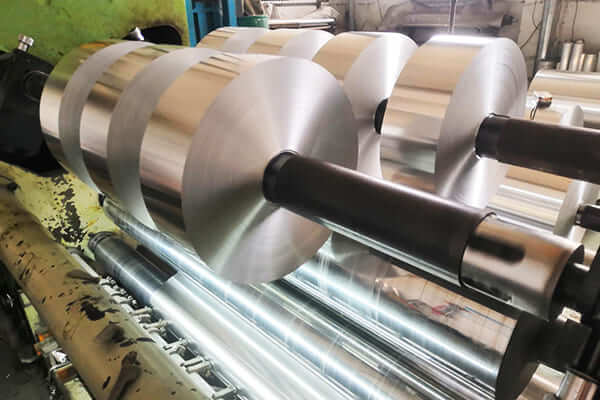
80микрофон 8011 ийкемдүү канал үчүн алюминий фольга
| Баа | Негизги өзгөчөлүктөрү | Ийкемдүү каналда типтүү колдонуу |
|---|---|---|
| 1060 | Абдан жогорку алюминий тазалыгы, сонун ийкемдүүлүк, жакшы коррозияга каршы | Негизги канал фольгасы, ички/тышкы караган катмарлар |
| 1100 | Окшош 1060, бир аз жакшыраак күч, иштетүү үчүн жеңил | Жалпы максаттагы канал фольгасы |
| 1200 | Жакшы ийкемдүүлүк, коррозияга каршылык, экономикалык | Жеңил түтүктөрдү таңуу жана ламинациялоо |
| 3003 | Таза алюминий сортторуна караганда жогорку күч, күч жана калыптандыруу жакшы балансы | Күчөтүлгөн ийкемдүү каналдар, талап кылынган колдонмолор |
| 8011 | Жакшы калыптандыруу, туруктуу аткаруу, ламинатталган фольга буюмдарында кеңири колдонулат | ийкемдүү каналдар үчүн фольга ламинат катмарлары |
| 8079 | Күчтүү калыптандыруу жана жакшы тосмо касиеттери | Көп катмарлуу ламинатталган канал фольгасы, изоляциялоочу материалдар |
Ийкемдүү түтүк колдонмолору үчүн 80мик алюминий фольганы тандоо көбүнчө аткаруу муктаждыктары менен менчиктин жалпы наркынын айкалышы менен шартталган..
Бир нече факторлор бул калыңдыкты популярдуу тандоого айлантат:
Негизги касиеттерин түшүнүү сиздин долбооруңуз үчүн туура фольганы тандоого жана узак мөөнөттүү аткарууну күтүүгө жардам берет.
Эмне үчүн WVTR канал системалары үчүн маанилүү: Төмөнкү WVTR жылуулоочу каражаттарга нымдуулуктун миграциясын азайтат, конденсат пайда болуу коркунучун азайтуу, изоляциянын бузулушу, жана микробдордун өсүшү. Системанын узак мөөнөттүү энергия эффективдүүлүгү туруктуу изоляция көрсөткүчүнөн пайда алып келет.
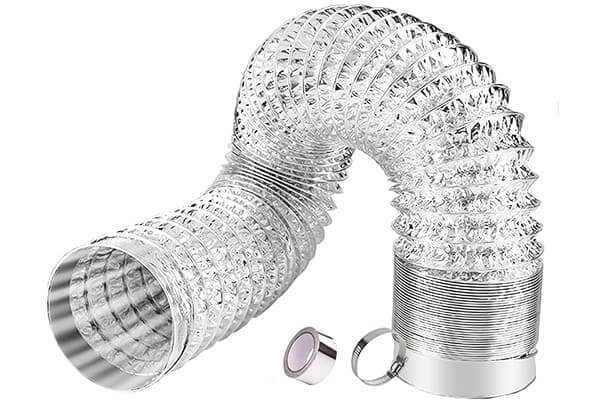
80Микрофон ийкемдүү канал үчүн алюминий фольга
Канал чөйрөлөрү температуранын өзгөрүшү сыяктуу кыйынчылыктарды жаратышы мүмкүн, нымдуулук, чаң, and abrasion from installation tools or movement.
80мик фольга, when used in laminated duct constructions, пайдасынан:
Ийкемдүү канал системалары көбүнчө буу тосмосун камтыган көп катмарлуу конструкцияларды колдонушат, изоляция, and an outer protective jacket. Фольга катмары - көбүнчө 80 миц калыңдыкта өндүрүлгөн - бир нече негизги ролду аткарат:
Практикада, типтүү ламинат стек окшош болушу мүмкүн:
– Ички бети: 80микроалюминий фольга
– Жабышкак катмар: оптималдаштырылган EVA же ысык эритүүчү клей
– Негизги тоскоолдук: полимер пленкасы (мис., полиэтилен же полипропилен)
– Сырткы куртка: коргоо жана иштетүү үчүн кагаз бети крафт же полимер менен капталган куртка
так стек өндүрүүчүнүн өзгөчөлүктөрүнө жараша болот, ченемдик талаптар, жана колдонуу чектөөлөрү.
80мик фольга күчтүү негизги тосмо жана чагылдыруучу бетти камсыз кылат, компакт түзүү, жакшы тандалган ламинаттарды жана четтерин жабуу чечимдери менен айкалышканда энергияны үнөмдөөчү канал дизайны.
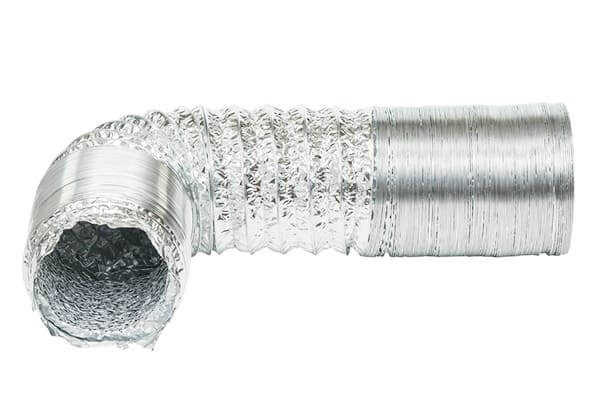
Алюминий фольга ийкемдүү канал дисплей
| Калыңдыгы (микрон) | Барьер/ WVTR (болжол менен) | Рефлексия (ЖАНА, % типтүү) | Механикалык күч | каналдарда типтүү колдонуу | Чыгымдарды эске алуу | Эскертүүлөр |
|---|---|---|---|---|---|---|
| 50 | Орто тоскоолдук; WVTR 80μ жогору | 88–92 | Калың фольгаларга караганда тешилүүгө туруктуулугу төмөн | Жеңил канал ламинаттары, арзаныраак чечимдер | Кадимки калыңдыктардын эң төмөнкү баасы | Талаа менен иштөө менен тешип кетүүгө дуушар болот; нымдуулугу аз чөйрөлөр үчүн жакшы |
| 70-80 (80 стандарттуу фокус болуп саналат) | Төмөн жана орточо WVTR; жакшы жалпы тоскоолдук | 90-95 | Теңдештирилген айрылуу күчү жана тешилүүгө каршылык | Каналдардын кеңири спектри; жалпы максаттагы буу тосмо | Орточо чыгым; кеңири жеткиликтүү | Тоскоолдук менен чыгымдын тең салмактуулугу керек болгондо жалпы тандоо; ламинаттын сапаты маанилүү |
| 100 | Төмөнкү WVTR; жогорку тешип каршылык | 92–97 | Жогорку күч, жыртылууга каршы кыйла бекем | Катуу чөйрөлөр; оор жүк ташуучу каналдар | Жогорку наркы; узундук бирдигине көбүрөөк материал | Физикалык бузулуу коркунучу жогору болгон долбоорлордо пайдалуу; ламинациялоо үчүн жабдууларды тууралоону талап кылышы мүмкүн |
| 125 | Абдан жогорку тешип каршылык; жалпы диапазондогу эң төмөнкү WVTR | 93-98 | Мыкты жыртылууга жана тешилүүгө каршылык | Өнөр жай каналдары, узак кызмат мөөнөтү талаптар | Жогорку наркы; атайын колдонмолор | Жогорку туруктуулук үчүн мыкты, экстремалдык чөйрөлөр; ламинаттарды шайкеш болушу керек |
Таблицадан негизги жыйынтыктар:
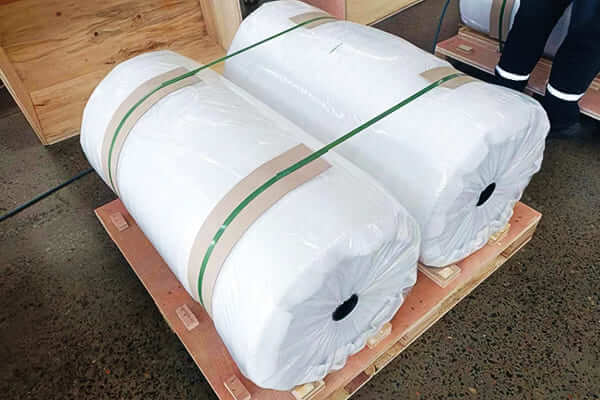
Huasheng пакеттелген алюминий фольга Jumbo Roll
Huasheng алюминий HVAC үчүн алюминий фольга азыктарынын таанылган өндүрүүчүсү жана жеткирүүчүсү, изоляция, жана өнөр жай колдонмолору.
Компания фольга калыңдыктарынын жана ламинаттын бир катар чечимдерине адистешкен, анын ичинде ийкемдүү канал системалары үчүн иштелип чыккан 80mic алюминий фольга. Бул жерде Huasheng алюминий базарга эмне алып келерин карап көрөлү:
Эмне үчүн Huasheng алюминий карап көрөлү? ийкемдүү түтүк үчүн 80mic алюминий фольга ишенимдүү булагы издеп сатып алуучулар үчүн, техникалык тереңдиктин айкалышы, жеткиликтүү коюу варианттары, жана сапатты көзөмөлдөө тажрыйбасы ишенимдүү сатып алуу үчүн бекем негиз түзөт.
Ар кандай жеткирүүчүнүн мамилеси сыяктуу, продукт үлгүлөрүн суроо, заводдук ревизиялар, жана долбоордун талаптарына шайкеш келүүнү ырастоо үчүн аткаруу маалыматтары.
Q1: Ийкемдүү канал үчүн 80мик алюминий фольга эмне үчүн эң жакшы колдонулат?
A1: Бул эң жакшы ламинатталган ийкемдүү каналдык түзүлүштөрдүн ичинде буу тосмо жана нурлуу тосмо катары колдонулат.. Бул изоляцияга нымдуулуктун диффузиясын азайтууга жардам берет жана нурлануучу жылуулук өткөрүүнү азайтат, энергиянын натыйжалуулугун жана конденсацияны көзөмөлдөөгө салым кошуу.
Q2: 80мик фольга жука фольгага кандай окшош? 50 микрон?
A2: 80мик фольга жука фольгаларга караганда тешип кетүүгө жакшыраак туруштук берет жана тоскоол иштешин камсыз кылат, чыгымдардын жагымдуу балансы менен. Жука фольгалар азыраак талап кылынган чөйрөлөр үчүн адекваттуу болушу мүмкүн, бирок ламинаттын сапаты оптималдуу болбосо, бузулууга жана нымдуулукка көбүрөөк кабылышы мүмкүн..
Q3: 80мик фольганы бардык канал чөйрөлөрүндө колдонсо болобу?
A3: Бул чөйрөлөрдүн кеңири спектри үчүн ылайыктуу, бирок өтө механикалык стресс, абдан жогорку нымдуулук, же агрессивдүү химиялык заттар кошумча ламинат коргоону же калың фольганы талап кылышы мүмкүн. Ар дайым изоляция менен шайкештигин текшериңиз, желимдер, жана акыркы жыйында колдонулган сырткы куртка.
Q4: Мен туура ламинат стек кантип аныктоого болот?
A4: Климатка туура келген ламинат комбинациясын тандоо үчүн фольга жеткирүүчү же өндүрүүчү инженердик топ менен иштешиңиз, нымдуулук, температура, жана ченемдик талаптар. Желимдерди карап көрөлү, санын бүтүндүгү, сырткы куртка коргоо, жана кайра иштетүү маселелери.
Q5: 80мик фольга ламинаттарынын типтүү орнотуу таасири кандай?
A5: Туура орнотуу тоскоолдук аткарууну жана энергиянын натыйжалуулугун коргойт. Тазалыкты камсыз кылуу, кургак четтери, туура пломбалоо, жана тешилип калбоо үчүн кылдат мамиле кылуу. Талаа бригадаларын тигиштерди мөөр басуу жана ламинат менен иштөө боюнча үйрөтүү олуттуу натыйжалуулукту алып келет.
Q6: Huasheng Aluminium кардарларды кантип колдойт?
A6: Huasheng Aluminium фольга калыңдыгынын бир катар варианттарын сунуштайт, техникалык маалымат баракчалары, лабораторияда текшерилген аткаруу маалыматтары, жана бөлүштүрүү тармактары. Алар продукциянын үлгүлөрүн беришет, QA документтери, жана тандоого жардам берүү үчүн инженердик колдоо, ламинация шайкештиги, жана орнотуу боюнча көрсөтмө.
80ийкемдүү канал үчүн микро Алюминий фольга практикалык билдирет, заманбап канал системалары үчүн жакшы салмактуу чечим.
Бул күчтүү буу тосмо жөндөмдүүлүгүн камсыз кылат, күчтүү нурдуу чагылдыруу, жана ламинат алкагында ишенимдүү механикалык аткаруу, аны көптөгөн HVAC өндүрүүчүлөр жана орнотуучулар үчүн негизги тандоо болуп саналат.
Өнөр жай энергетикалык эффективдүүлүктү улантууда, нымдуулукту көзөмөлдөө, жана туруктуулук, жакшы иштелип чыккан фольга ламинаттарынын ролу туруктуулукка жетүү үчүн барган сайын борбордук болуп калат, жогорку натыйжалуу канал системалары.
ийкемдүү түтүк үчүн 80мик фольганы тандап жатканда, сатып алуучулар бир гана фольга калыңдыгын эмес, ошондой эле бүт ламинат стек баса керек, четин мөөр басуу, орнотуу практикасы, жана колдонмого тиешелүү талаптар.
Катуу сыноо аркылуу, так берүүчү документтер, жана Huasheng Aluminium сыяктуу кадыр-барктуу өндүрүүчүлөр менен күчтүү өнөктөштүк, долбоорлор ишенимдүү тоскоолдук аткарууга жетише алат, энергиянын натыйжалуулугун жогорулатуу, жана канал системалары үчүн узак кызмат мөөнөтү.
Кыскача айтканда, 80Микрофон ийкемдүү канал үчүн алюминий фольгасы ишенимдүү, буу тосмолор жана канал жыйындарындагы нурлуу тосмо катмарлары үчүн натыйжалуу вариант.
Материалдын касиеттери, жогорку сапаттагы ламинаттарды жана кесиптик орнотуу менен концертте, сезилерлик пайдаларды берет: конденсатты башкаруу, энергияны үнөмдөө, жана ар кандай климаттык шарттарда туруктуу аткаруу.
Ишенимдүү издеген практиктер үчүн, каналдын иштешин жакшыртуу үчүн далилдүү жол, бекем материал илимине жана практикалык талаа тажрыйбасына негизделген бул ыкма ишенимдүү сунуш кылат, жакшыраак HVAC натыйжалары үчүн масштабдуу жол.
PDF менен бөлүшүү: Жүктөө

Henan Huasheng Aluminium Co., Ltd (Кыскача HHALU), жылы түзүлгөн 2001, Хуиго шаарында жайгашкан, Хэнань провинциясынын белгилүү алюминий борбору, Бул кесипкөй өндүрүүчүсү жана изилдөө менен алектенет, өнүктүрүү, өндүрүш, Сатуу жана тейлөө алюминий барак табак, алюминий катушкасы, алюминий фольга, алюминий тилкеси жана алюминий тегерек.
Кошумча, HHALU ошондой эле курулуш жана кемелер үчүн алюминий табак сатуу, алюминий күзгү плитасы, жана автомобиль алюминий эритмесин табак.
№53, Dongming Road, Чжэнчжоу, Хэнань, Кытай
Copyright © Huasheng Aluminium 2025. Бардык укуктар корголгон.
