Sa modernong mga sistema sa HVAC, ang pasundayag ug kasaligan sa mga flexible ducts nag-agad sa maalamon nga mga pagpili sa materyal nga nagbalanse sa proteksyon sa babag, thermal efficiency, kalig-on, ug gasto. Lakip sa mga core nga sangkap, ang 80mic Aluminum Foil alang sa Flexible Duct nagbarug nga praktikal, taas nga bili nga solusyon alang sa pagkontrol sa kaumog, mga babag sa vapor, ug masanag nga pagpamalandong.
Gisusi niini nga artikulo kung nganong 80mic aluminum foil, usa ka gibag-on nga katumbas sa 80 micron, mao ang usa ka gipalabi nga kapilian alang sa flexible duct installations, kung giunsa kini itandi sa ubang mga gibag-on, ug unsa ang kinahanglan nga tagdon sa mga pumapalit sa pagpili sa usa ka supplier ug pagtino sa pasundayag.
Atong tan-awon usab ang mga sumbanan sa industriya, mga pamaagi sa pagsulay, ug mga aplikasyon sa tinuod nga kalibutan, gisuportahan sa data-driven insights ug praktikal nga mga giya.
Sa tibuok, makit-an nimo ang kasaligan nga detalye, praktikal nga mga checklist, ug usa ka supplier spotlight sa Huasheng Aluminum, usa ka nanguna nga tiggama sa mga produkto sa aluminum foil alang sa HVAC ug mga may kalabutan nga industriya.
Ang pagpaila sa hugpong sa mga pulong nga 80mic Aluminum Foil alang sa Flexible Duct nagpasiugda sa sentro nga hilisgutan: usa ka gibag-on nga pagpili nga naghatag usa ka kasaligan nga balanse sa alisngaw barrier performance, Kusog sa Mekanikal, ug gasto.
80mic aluminum foil nagtumong sa usa ka palid sa aluminum foil uban sa usa ka nominal gibag-on sa 80 micron (0.080 milimetro).
Sa konteksto sa flexible duct system, kini nga gibag-on naghatag usa ka lig-on nga babag batok sa alisngaw sa kaumog ug mga gas, samtang gitugutan pa alang sa dali nga pagdumala, pagputos, ug lamination ngadto sa multi-layer assemblies.
Ang taas nga reflectivity sa purong metal ug dili porous nga nawong naghimo niini nga usa ka epektibo nga masanag nga babag ug babag sa kaumog kung gihiusa sa mga katugbang nga adhesive ug laminates.
Importante nga mga kabtangan nga tagdon:
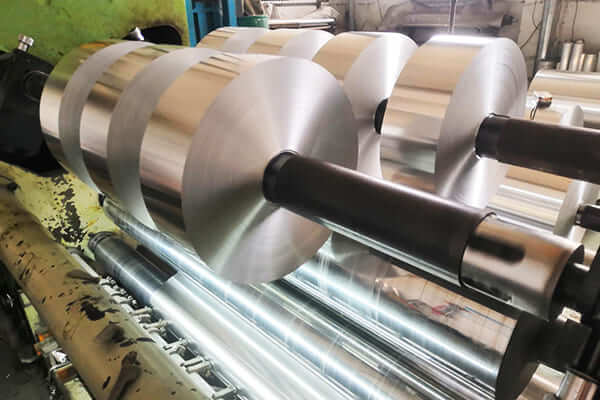
80mic 8011 Aluminum Foil para sa Flexible Duct
| Grado | Panguna nga mga Feature | Kinaandan nga Paggamit sa Flexible Duct |
|---|---|---|
| 1060 | Taas kaayo nga kaputli sa aluminyo, maayo kaayo nga pagka-flexible, maayo nga pagsukol sa corrosion | Panguna nga duct foil, sulod/gawas nga nag-atubang nga mga sapaw |
| 1100 | Susama sa 1060, gamay nga mas maayo nga kusog, sayon nga iproseso | Komon nga general-purpose duct foil |
| 1200 | Maayong ductility, pagbatok sa corrosion, ekonomikanhon | Ang gaan nga duct wrapping ug lamination |
| 3003 | Mas taas nga kusog kaysa puro nga mga grado sa aluminyo, maayong balanse sa kusog ug pagkaporma | Gipalig-on nga flexible ducts, nangayo nga mga aplikasyon |
| 8011 | Maayo nga pagkaporma, stable nga performance, kaylap nga gigamit sa laminated foil nga mga produkto | Foil laminate layers alang sa flexible ducts |
| 8079 | Kusog nga pagkaporma ug maayo nga mga kabtangan sa babag | Multi-layer laminated duct foil, mga materyales nga nag-atubang sa insulasyon |
Ang pagpili sa 80mic aluminum foil alang sa flexible duct applications kasagarang gimaneho sa kombinasyon sa mga panginahanglanon sa pasundayag ug kinatibuk-ang gasto sa pagpanag-iya.
Daghang mga hinungdan ang naghimo niini nga gibag-on nga usa ka popular nga pagpili:
Ang pagsabut sa kinauyokan nga mga kabtangan makatabang sa pagpili sa husto nga foil alang sa imong proyekto ug pagpaabut sa dugay nga pasundayag.
Ngano nga ang WVTR hinungdanon alang sa mga sistema sa duct: Ang ubos nga WVTR makapamenos sa moisture migration ngadto sa insulation media, pagpakunhod sa risgo sa condensate formation, pagkadaot sa insulasyon, ug microbial growth. Ang taas nga termino nga kahusayan sa enerhiya sa sistema nakabenepisyo gikan sa lig-on nga pasundayag sa pagkakabukod.
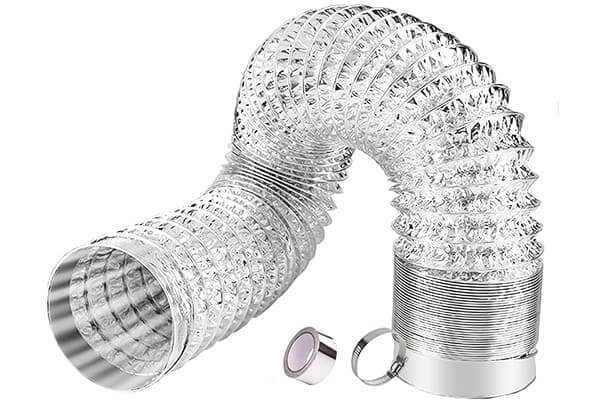
80mic Aluminum Foil para sa Flexible Duct
Ang mga palibot sa duct mahimong magpakita og mga hagit sama sa pagbag-o sa temperatura, humidity, abog, ug abrasion gikan sa mga himan sa pag-instalar o paglihok.
Ang 80mic nga foil, kung gigamit sa laminated duct constructions, benepisyo gikan sa:
Ang flexible duct system kasagarang naggamit ug multi-layer constructions nga naglakip sa vapor barrier, pagbulag, ug usa ka gawas nga protective jacket. Ang foil layer—kasagaran gihimo sa 80mic nga gibag-on—nagsilbi sa daghang importanteng papel:
Sa praktis, ang usa ka tipikal nga laminate stack mahimong tan-awon:
– Sulod nga nawong: 80mic nga aluminum foil
– Papilit nga layer: na-optimize nga EVA o mainit nga natunaw nga adhesive
– Core nga babag: polymer nga pelikula (e.g., polyethylene o polypropylene)
– Panggawas nga dyaket: paper-faced kraft o polymer-coated jacket para sa proteksyon ug pagdumala
Ang eksaktong stack nagdepende sa mga detalye sa tiggama, mga kinahanglanon sa regulasyon, ug mga limitasyon sa aplikasyon.
Ang 80mic foil naghatag og lig-on nga core barrier ug reflective surface, makahimo sa usa ka compact, episyente sa enerhiya nga disenyo sa duct kon ikombinar sa maayong pagkapili nga mga laminate ug mga solusyon sa pagsilyo sa ngilit.
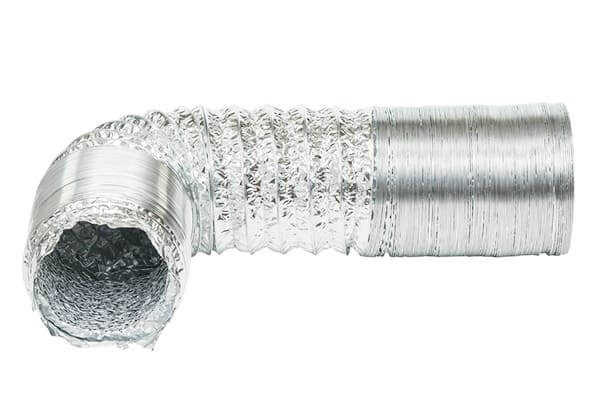
Ang Aluminum Foil Flexible Duct Display
| Gibag-on (micron) | Barrier/WVTR (gibanabana.) | Pagpamalandong (UG, % kinaiyanhon) | Kusog sa Mekanikal | Kasagaran nga paggamit sa mga duct | Mga konsiderasyon sa gasto | Mga nota |
|---|---|---|---|---|---|---|
| 50 | Kasarangan nga babag; Ang WVTR mas taas kay sa 80µ | 88–92 | Ubos nga pagsukol sa tusok kay sa mas baga nga mga foil | Gaan nga duct laminates, ubos nga gasto nga mga solusyon | Labing ubos nga gasto sa kasagaran nga gibag-on | Delikado sa pagtusok sa pagdumala sa uma; maayo alang sa ubos nga kaumog nga mga palibot |
| 70–80 (80 mao ang standard focus) | Ubos ngadto sa kasarangan nga WVTR; maayo nga kinatibuk-ang babag | 90-95 | Balanse nga kalig-on sa luha ug pagsukol sa tusok | Lapad nga mga ducts; kinatibuk-ang katuyoan alisngaw babag | Kasarangan nga gasto; kaylap nga magamit | Komon nga pagpili kung gusto ang balanse sa babag ug gasto; kritikal nga kalidad sa laminate |
| 100 | Ubos nga WVTR; mas taas nga puncture resistance | 92–97 | Mas taas nga kusog, mas lig-on batok sa paggisi | Mapintas nga mga palibot; bug-at nga katungdanan nga mga duct | Mas taas nga gasto; dugang nga materyal kada yunit nga gitas-on | Mapuslanon sa mga proyekto nga adunay mas taas nga risgo sa pisikal nga kadaot; mahimong manginahanglan mga pag-adjust sa kagamitan para sa lamination |
| 125 | Taas kaayo nga puncture resistance; pinakaubos nga WVTR sa komon nga mga han-ay | 93-98 | Maayo kaayo nga pagsukol sa luha ug tusok | Industrial ducts, taas nga serbisyo sa kinabuhi nga mga kinahanglanon | Mas taas nga gasto; espesyal nga mga aplikasyon | Labing maayo alang sa taas nga kalig-on, grabeng mga palibot; Ang mga laminate kinahanglan nga magkatugma |
Key takeaways gikan sa lamesa:
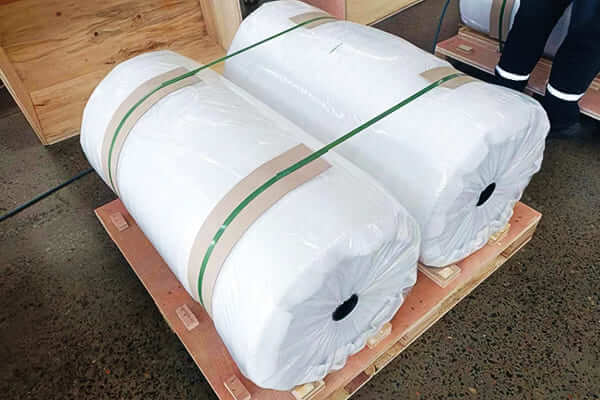
Huasheng Packaged Aluminum Foil Jumbo Roll
Huasheng Aluminum usa ka giila nga tiggama ug supplier sa mga produkto sa aluminum foil alang sa HVAC, pagbulag, ug mga aplikasyon sa industriya.
Espesyalista sa kompanya ang lainlaing gibag-on sa foil ug mga solusyon sa laminate, lakip ang 80mic aluminum foil nga gidisenyo alang sa flexible duct system. Ania ang usa ka kinatibuk-ang ideya kung unsa ang gidala sa Huasheng Aluminum sa merkado:
Nganong ikonsiderar ang Huasheng Aluminum? Para sa mga pumapalit nga nangita ug kasaligang tinubdan sa 80mic aluminum foil para sa flexible duct, ang kombinasyon sa teknikal nga giladmon, magamit nga gibag-on nga mga variant, ug usa ka track record sa pagkontrol sa kalidad naghatag ug lig-on nga sukaranan alang sa masaligon nga pagpalit.
Sama sa bisan unsang relasyon sa supplier, mangayo ug mga sample sa produkto, mga pag-audit sa pabrika, ug datos sa pasundayag aron ma-validate ang pag-align sa mga kinahanglanon sa proyekto.
Q1: Unsa ang 80mic aluminum foil para sa flexible duct nga labing maayo nga gamiton?
A1: Kini labing maayo nga gigamit ingon usa ka alisngaw nga babag ug sinaw nga babag sa sulod sa laminated flexible duct assemblies. Nakatabang kini nga maminusan ang pagsabwag sa kaumog ngadto sa pagkakabukod ug makunhuran ang sinaw nga pagbalhin sa kainit, nakatampo sa pagkaepisyente sa enerhiya ug pagkontrol sa kondensasyon.
Q2: Giunsa pagtandi ang 80mic foil sa mga thinner nga foil sama sa 50 micron?
A2: Ang 80mic foil naghatag og mas maayo nga puncture resistance ug barrier performance kaysa thinner foil, nga adunay paborableng balanse sa gasto. Ang nipis nga mga foil mahimong igo alang sa dili kaayo lisud nga mga palibot apan mahimong mas daling madaot ug moisture nga pagsulod kung ang kalidad sa laminate dili maayo..
Q3: Mahimo bang magamit ang 80mic foil sa tanan nga mga palibot sa duct?
A3: Kini mao ang angay alang sa usa ka halapad nga-laing mga palibot, apan grabeng mekanikal nga stress, taas kaayo nga humidity, o agresibo nga mga kemikal mahimong magkinahanglan og dugang nga proteksyon sa laminate o mas baga nga foil. Kanunay pamatud-i ang pagkaangay sa insulasyon, mga papilit, ug panggawas nga mga dyaket nga gigamit sa kataposang asembliya.
Q4: Unsaon nako pagtino ang husto nga laminate stack?
A4: Pakigtambayayong sa imong supplier sa foil o team sa engineering sa tiggama aron makapili og laminate combo nga mohaum sa klima, humidity, temperatura, ug mga kinahanglanon sa regulasyon. Hunahunaa ang mga adhesive, Selyo sa integridad, proteksyon sa gawas nga dyaket, ug mga konsiderasyon sa pag-recycle.
Q5: Unsa ang kasagaran nga epekto sa pag-install sa 80mic foil laminates?
A5: Ang husto nga pag-instalar nagpanalipod sa pasundayag sa babag ug kahusayan sa enerhiya. Siguruha nga limpyo, uga nga mga ngilit, husto nga pagbugkos, ug maampingong pagdumala aron malikayan ang mga tusok. Ang pagbansay alang sa mga tripulante sa field sa seam sealing ug laminate handling makahatag ug mahinungdanong mga benepisyo sa performance.
Q6: Giunsa pagsuporta sa Huasheng Aluminum ang mga kustomer?
A6: Ang Huasheng Aluminum nagtanyag usa ka lainlaing kapilian sa gibag-on sa foil, teknikal nga data sheets, data sa performance nga gisulayan sa lab, ug distribution networks. Naghatag sila mga sample sa produkto, Dokumentasyon sa QA, ug suporta sa engineering aron makatabang sa pagpili, pagkaangay sa lamination, ug giya sa pag-instalar.
80mic Aluminum Foil alang sa Flexible Duct nagrepresentar sa usa ka praktikal, maayo nga balanse nga solusyon alang sa modernong mga sistema sa duct.
Naghatag kini og lig-on nga kapabilidad sa vapor barrier, kusog nga masanag nga pagpalandong, ug kasaligan nga mekanikal nga pasundayag sulod sa usa ka laminate framework, naghimo niini nga usa ka staple nga kapilian alang sa daghang mga tiggama ug mga installer sa HVAC.
Samtang ang industriya nagpadayon sa paghatag gibug-aton sa kahusayan sa enerhiya, pagkontrol sa kaumog, ug magpadayon, ang papel sa maayong pagkadisenyo nga foil laminates nahimong mas sentro sa pagkab-ot sa lig-on, high-performance nga mga sistema sa duct.
Kung nagpili sa 80mic foil alang sa flexible duct, Ang mga pumapalit kinahanglan nga hatagan og gibug-aton dili lamang ang gibag-on sa foil kondili ang tibuok nga laminate stack, pagsilyo sa ngilit, praktis sa pag-instalar, ug mga kinahanglanon nga espesipiko sa aplikasyon.
Pinaagi sa higpit nga pagsulay, tin-aw nga dokumentasyon sa supplier, ug usa ka lig-on nga pakigtambayayong sa mga inila nga mga tiggama sama sa Huasheng Aluminum, ang mga proyekto makab-ot ang kasaligan nga pasundayag sa babag, gipaayo nga kahusayan sa enerhiya, ug mas taas nga kinabuhi sa serbisyo alang sa mga sistema sa duct.
Sa katingbanan, 80Ang mic nga Aluminum Foil alang sa Flexible Duct usa ka kasaligan, epektibo nga kapilian alang sa alisngaw nga mga babag ug nagdan-ag nga mga babag sa sulod sa mga duct assemblies.
Mga kabtangan sa materyal, sa konsyerto nga adunay taas nga kalidad nga mga laminate ug propesyonal nga pag-install, paghatag ug mahikap nga mga benepisyo: pagkontrol sa condensate, pagdaginot sa enerhiya, ug lig-on nga performance ubos sa lain-laing mga kahimtang sa klima.
Para sa mga practitioner nga nangita ug katuohan, ebidensiya-based nga dalan sa pagpalambo sa duct performance, kini nga paagi-nga nakagamot sa lig-on nga materyal nga siyensya ug praktikal nga kasinatian sa uma-nagtanyag usa ka kasaligan, scalable nga ruta sa mas maayong resulta sa HVAC.
Pakigbahin sa PDF: Ipadala

Henan Huasheng Aluminum Co., Ltd (HHALU sa mubo), gitukod sa 2001, nahimutang sa lungsod sa Huiguo, ang bantog nga Aluminum kapital sa Henan Province, Kini usa ka propesyonal nga tiggama ug nakigbahin sa panukiduki, kalamboan, produksyon, Pagbaligya ug serbisyo sa aluminyo panid nga plato, aluminum coil, aluminum foil, aluminum strip ug aluminum circle.
Dugang pa, Nagbaligya usab ang HHALU og aluminum plate para sa construction ug mga barko, aluminum salamin nga plato, ug automotive aluminum alloy plate.
No.53, Dalan sa Dongming, Zhengzhou, Henan, China
Copyright © Huasheng Aluminum 2025. Tanang katungod gigahin.
