The demand for safe, reliable, and efficient pharmaceutical packaging continues to rise as medicines become more complex and patient expectations grow.
A key component in protecting drug integrity from production through storage and administration is the aluminum foil used in heat-sealed packaging.
In particular, the 8079 Heat Seal Aluminum Foil for Pharmaceutical is designed to deliver robust barrier performance, excellent seal strength, and compatibility with various coatings and laminates.
This guide explores what 8079 heat-seal aluminum foil is, how it works, its properties, and how to choose and use it effectively.
The pharmaceutical industry demands packaging solutions that maintain drug stability, prevent contamination, and support efficient manufacturing lines.
8079 Heat Seal Aluminum Foil for Pharmaceutical is formulated to meet these needs by combining an aluminum base with heat-seal coatings or lacquers that enable reliable sealing to various blister, carton, or laminated structures.
The aluminum provides a strong moisture and oxygen barrier, while the seal layer ensures a secure seal to primary packaging materials such as PET, substrate films, or other metallized layers. In addition to barrier performance, the foil must exhibit good formability, strain resistance, and compatibility with sterilization processes where applicable.
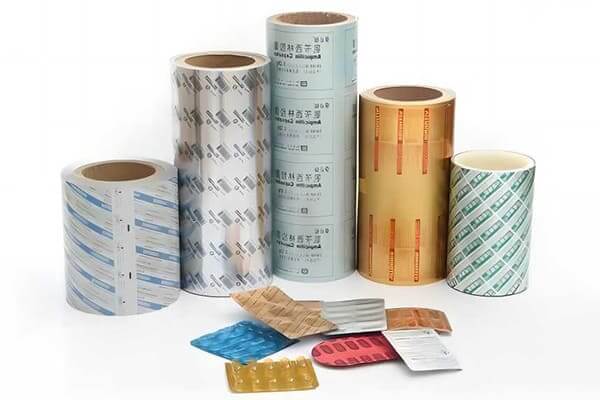
Aluminum foil for blister packaging
Because actual values depend on thickness, temper, and coating, the ranges below reflect typical expectations for 8079 heat-seal foil used in pharmaceutical packaging.
Notes:
– Variations arise from the exact formulation of the alloy, temper, and any post-treatment processes such as annealing or surface finishes.
– The choice of seal coating (e.g., heat-seal lacquers, epoxies, acrylics) has a significant impact on peel strength, adhesion to the substrate, and compatibility with the drug product.
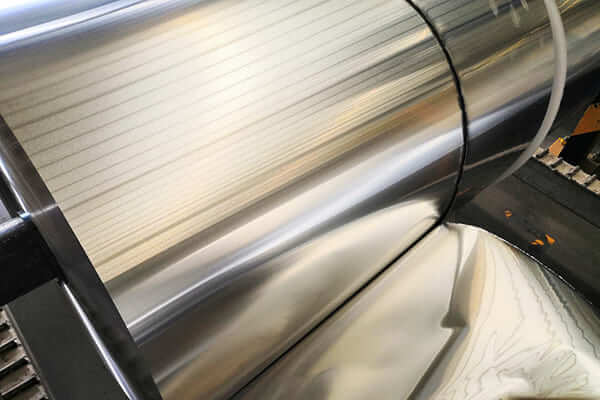
8079 Heat Seal Aluminum Foil for Pharmaceutical
A robust quality program for 8079 heat-seal foil involves multiple tests, typically conducted in-line or in a dedicated QC lab:
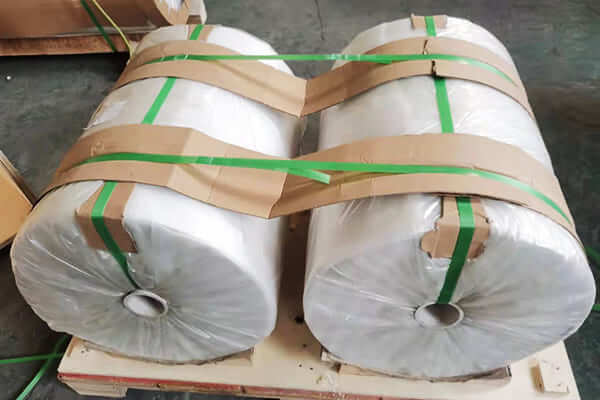
Huasheng Packaged 8079 Heat Seal Aluminum Foil
Huasheng Aluminum is a packaging material supplier with a focus on aluminum foil for pharmaceutical and food packaging.
The company emphasizes customization, quality assurance, and fast response to customer needs. Their product portfolio includes:
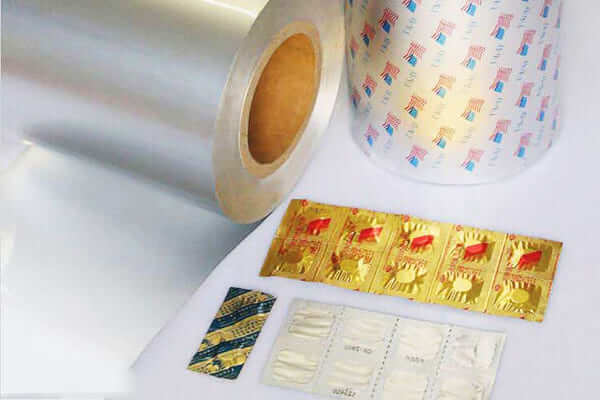
8079 Heat Seal Aluminum Foil for easy-tear film
The following table provides a concise comparison for pharmaceutical packaging foils commonly considered for heat sealing, including 8079, and how they typically stack up in key areas.
Note that exact values depend on the specific product, coating, and laminate design.
| Alloy / Coating option | Base alloy family | Typical thickness (foil) | Seal coating options | Barrier performance (typical) | Peel/Seal strength (typical) | Common applications | Notable considerations |
|---|---|---|---|---|---|---|---|
| 8079 with single-sided acrylic seal coat | 8000-series | 12–25 µm | Acrylic or PU seal coats on one side | Low to moderate MVTR depending on coating; good moisture barrier | 1.0–3.0 N/cm | Blister packs, lidding foils for vials | Balanced performance; good line compatibility |
| 8011 with acrylic seal coat | 8000-series | 12–25 µm | Acrylic seal coat on one side | Very good moisture barrier; good for dry products | 0.8–2.5 N/cm | Pharmaceutical blister and stand-up pouches | Common and economical choice; wide availability |
| 8021 with two-sided seal coats | 8000-series | 12–23 µm | Coatings on both sides | Strong barrier, versatile for laminates | 1.2–3.5 N/cm | Complex laminates; high-security packaging | Higher coating cost; best with compatible laminates |
| 8079 with specialized low-VOC seal coat | 8000-series | 12–25 µm | Water-based or low-VOC lacquers | Very low MVTR; high barrier, depending on laminate structure | 1.5–3.5 N/cm | Sterile packaging, vaccines | Environmentally friendlier option; may require process validation |
Important notes about the table:
– Values vary by exact coating chemistry, coating thickness, and the lamination substrate.
– The table is intended as a quick reference to aid decision-making; always validate with supplier data sheets and in-house testing on your specific product.
1) What is the primary advantage of using 8079 Heat Seal Aluminum Foil for Pharmaceutical?
– The primary advantage is the combination of a strong barrier against moisture and oxygen with reliable heat-seal properties that integrate well with typical pharmaceutical laminates and packaging lines.
This helps maintain drug stability, extend shelf life, and support efficient manufacturing.
2) How does 8079 foil compare to 8011 or 8021 in terms of sealing performance?
– 8079 typically offers excellent heat-seal performance with suitable coatings for blister and laminate structures, and it can be optimized for high-throughput manufacturing.
8011 is a common and economical choice with strong moisture barriers, while 8021 provides higher adhesion options and dual-sided sealing configurations.
The best choice depends on your specific laminate, product compatibility, and process parameters.
3) What should I consider when selecting a seal coating for 8079 foil?
– Consider seal strength requirements, laminate compatibility, drug product interactions, sterilization methods, and environmental impact.
The coating should adhere well to the foil and form a robust seal with the chosen laminate while not introducing contaminants or color migration into the drug product.
4) Is 8079 foil suitable for sterile packaging?
– Yes, provided the laminate system and sealing process are validated for the intended sterilization method and the package maintains adequate barrier properties after sterilization.
5) How important is supplier support during scale-up?
– Extremely important. A supplier with strong technical support helps optimize coating choices, sealing parameters, and line compatibility, reducing risk and improving time-to-market for new products.
6) What kind of certifications should a supplier of 8079 heat-seal foil hold?
– Key certifications include ISO 9001 for quality management, and depending on the region, GMP compliance and documentation to support pharmacopoeial requirements.
Some customers may also require traceability, COA/CoC documentation, and third-party testing validation.
| Property | What to ask for | Why it matters |
|---|---|---|
| Base foil thickness | 12–25 µm range | Impacts seal strength, puncture resistance, and cost |
| Seal coating type | Acrylic, PU, epoxy, water-based options | Affects adhesion to laminate and compatibility with drug |
| Coating thickness | 1–4 µm per side | Determines seal performance and barrier properties |
| Barrier performance | MVTR and OTR | Directly affects drug stability and shelf life |
| Thermal sealing window | Temperature, dwell time, pressure | Guides packaging line settings and yields |
| Capability | Importance | What to verify |
|---|---|---|
| Coating chemistry options | High | Range of seal coats, compatibility with your laminate |
| CoC and MDS documentation | High | Lot traceability, composition, compatibility data |
| In-house testing | Medium | MVTR, OTR, peel strength, adhesion, sterilization tests |
| Lead times and scalability | Medium-High | On-time delivery, ability to ramp production during demand spikes |
| Technical support | High | Availability of packaging engineers, problem-solving for line issues |
| Alloy | Typical use | Strength of barrier | Coating options | Common applications |
|---|---|---|---|---|
| 8011 | Economic, common in blister packs | Very good moisture protection; good overall | Wide coating choices | General blister and lidding foils |
| 8021 | High-adhesion laminates, specialty coatings | Good barrier with right laminate | Extensive coatings; dual-sided options | Specialized pharmaceutical laminates |
| 8079 | High-seal performance, tailor-made coatings | Excellent when properly coated | Flexible coating choices; one or both sides | Blister packs, vials, complex laminates |
Define your product’s barrier needs and sterilization plan early, then choose a foil-and-coating system that can meet those requirements without sacrificing production efficiency.
Use 8079 heat-seal foil when you need strong sealing performance and robust barrier properties in common blister and laminate structures. Validate the exact coating and laminate with your packaging line and product.
Engage with suppliers such as Huasheng Aluminum to discuss custom configurations, technical support, and documentation needs. Ask for sample laminates and test data to validate compatibility with your drug product and storage conditions.
Build a testing plan that includes seal strength, barrier performance, and sterilization compatibility to ensure reliability over the product’s shelf life.
Prioritize sustainability: explore low-VOC coatings, recycling of packaging materials, and the environmental profile of your laminate system.
8079 heat seal aluminum foil for pharmaceutical offers excellent barrier protection, reliable sealing performance, and strong compatibility with various laminate structures.
By selecting the right foil thickness, coating, and laminate design, manufacturers can achieve safe, stable, and compliant pharmaceutical packaging.
Share with PDF: Download

Henan Huasheng Aluminum Co., Ltd (HHALU for short), established in 2001, is located in Huiguo Town, the famous Aluminum capital of Henan Province, It's a professional manufacturer and engages in the research, development, production, sales and service of aluminum sheet plate, aluminum coil, aluminum foil, aluminum strip and aluminum circle.
In addition, HHALU also sell aluminum plate for construction and ships, aluminum mirror plate, and automotive aluminum alloy plate.
No.53, Dongming Road, Zhengzhou, Henan, China
Copyright © Huasheng Aluminum 2025. All rights reserved.
