5083 H111 Aluminum Plate for Tank Bodies has become a widely recognized and trusted material solution in modern tank design and manufacturing.
As tank bodies are required to safely store or transport liquids under complex mechanical, environmental, and operational conditions, the choice of material plays a decisive role in ensuring structural integrity, service life, and overall economic efficiency.
In industries such as marine engineering, transporte, energy, and industrial storage, tank bodies are frequently exposed to corrosive media, fluctuating temperatures, dynamic loads, and long-term cyclic stresses.
Traditional materials like carbon steel often require extensive corrosion protection and regular maintenance, while some high-strength alloys may suffer from reduced weldability or poor low-temperature performance. Against this background, 5083 H111 aluminum plate offers a well-balanced combination of corrosion resistance, mechanical strength, Soldabilidad, and weight efficiency.
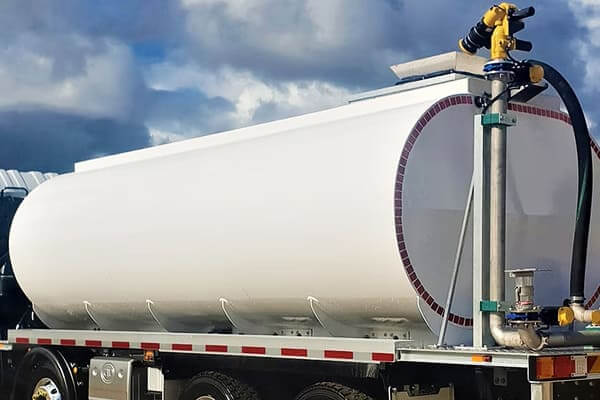
5083 H111 Aluminum Plate for Tank Bodies
5083 H111 aluminum plate is a non-heat-treatable aluminum–magnesium alloy belonging to the 5xxx series. It is primarily strengthened by its relatively high magnesium content, which gives the alloy excellent corrosion resistance and good mechanical strength, especialmente tu entornos marinos yéetel industriales.
Leti'e' 5083 aleación typically contains about 4–5% magnesium, along with small additions of manganese and chromium to improve strength, grain structure, and resistance to corrosion. Le composición ku beetik u 5083 one of the most corrosion-resistant aluminum alloys available for structural applications.
Leti'e' H111 temper indicates that the plate has been lightly strain-hardened through cold working, but to a very limited extent. Compared with fully annealed material, H111 provides slightly higher strength while maintaining good ductility and formability. This temper is especially suitable for thick plates and welded structures, such as tank bodies, where stable performance during forming and welding is required.
Tu general, 5083 H111 aluminum plate combines Resistencia le corrosión, Soldabilidad, ka conformabilidad, making it a reliable and widely used material for tank body manufacturing.
Below are compact, engineer-friendly tables of typical composition and property values for 5083-H111 plate, followed by concise technical notes on corrosion behaviour and on processing/forming performance.
| Elemento | Typical range (wt.%) |
|---|---|
| Aluminio (Ti' le) | Equilibrar |
| Magnesio (Mg) | 4.0 – 5.0 |
| Manganeso (Mn) | 0.4 – 0.7 |
| Cromo (Cr) | 0.05 – 0.25 |
| Hierro (Fe) | ≤ 0.5 |
| Silicio (Wa) | ≤ 0.4 |
| Cobre (Cu) | ≤ 0.1 – 0.2 |
| Zinc (Zn) | ≤ 0.25 |
| Titanio (Teechi') | ≤ 0.15 |
| Láak'o'ob (Amal) | ≤ 0.05 – 0.5 (traces) |
Páaybe'en: Mg is the principal alloying element that defines the mechanical/corrosion behaviour. Exact limits depend on specification (ASTM/EN/etc.) and mill lot.
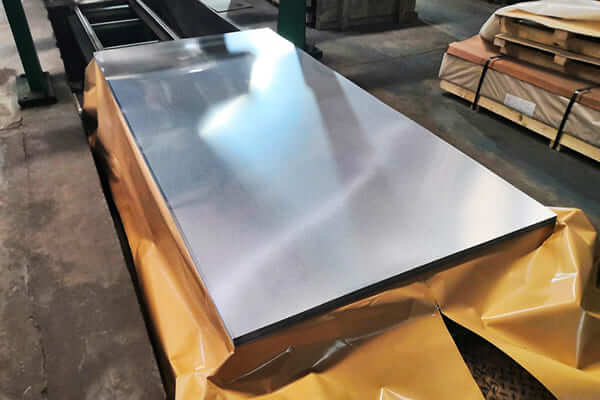
5083 Placa aluminio
| Propiedad | Typical value / range |
|---|---|
| Ultimate tensile strength (UTS) | 290 – 320 Mpa |
| Yield strength (0.2% proof) | 150 – 220 Mpa |
| Elongation at fracture (A%) | 10 – 20% (thinner plate → higher) |
| Dureza Brinell (HB) | 70 – 80 HB |
| Fatigue (endurance) — indicative | ~100 – 140 Mpa (detail & surface dependent) |
| Fracture toughness | Ka'anal / favorable for low-temp service (qualitative) |
| Modulus of elasticity (E) | 68 GPa (see physical table) |
| Specific strength (UTS / density) | High for non-heat-treatable Al alloys |
Design guidance: mechanical properties vary with thickness and exact temper control. Use certified test data for strength and acceptance criteria for welds.
| Propiedad | Typical value |
|---|---|
| Densidad | 2.66 g·cm⁻³ (2660 kg·m⁻³) |
| Young’s modulus (E) | ≈ 68 GPa |
| Conductividad térmica | ≈ 100 – 130 W·m⁻¹·K⁻¹ |
| Coeficiente dilatación térmica (CTE) | ≈ 23 × 10⁻⁶ /°C |
| Melting / solidus region | ≈ 640 – 650 ° C (aprox.) |
| Recommended continuous service temp | Preferably ≤ 60–80 °C (avoid prolonged high-temperature exposure) |
| Electrical conductivity | Moderado (lower than pure Al because of alloying) |
Practical notes: relatively high CTE and good thermal conductivity affect connections, insulation and cryogenic design.
5083 H111 is among the better corrosion-resistant structural aluminum alloys, particularly in chloride-bearing (k'áak'nab) environments. Its passive aluminium oxide film, reinforced by the Mg content and controlled alloy chemistry, gives outstanding resistance to uniform corrosion.
Specific behaviours and risks
The widespread use of 5083 H111 aluminum plate in tank body manufacturing is the result of a well-balanced combination of material performance, fabrication practicality, and long-term reliability.
One of the most important reasons tank bodies use 5083 H111 aluminum plate is its Excelente resistencia ti' le corrosión, particularly in chloride-rich environments.
For tank bodies that are continuously exposed to moisture, salt spray, or corrosive media, this inherent corrosion resistance is a decisive advantage.
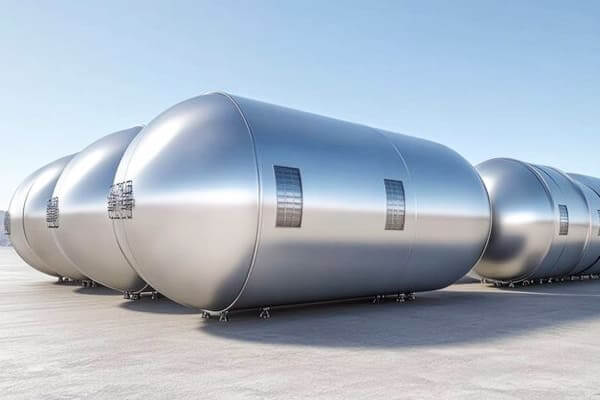
Why Tank Bodies Use 5083 H111 Aluminum Plate
5083 H111 aluminum plate offers an excellent strength-to-weight ratio, which is critical for both stationary and transportable tanks.
This balance of moderate strength and low mass makes 5083 H111 especially attractive where efficiency and mobility are important.
Tank bodies often require complex shapes, large welded assemblies, and reliable joint performance. 5083 H111 aluminum plate supports these needs through its excellent fabrication characteristics.
These fabrication advantages simplify production, improve weld quality, and reduce overall manufacturing risk.
Tank bodies are often subjected to demanding service conditions, y 5083 H111 performs reliably under such stresses.
This robust performance under harsh environmental and operational conditions further explains why 5083 H111 aluminum plate is a preferred material for tank bodies.
5083 H111 is a versatile alloy for tanks because it balances corrosion resistance, weldability and low-temperature toughness with good formability.
Typical uses: ballast tanks, potable/freshwater tanks, fuel and lube oil tanks, slop and waste tanks, void spaces and service tanks on ships, offshore platforms and workboats.
Why 5083: outstanding resistance to seawater and marine atmospheres, good post-weld strength, and excellent low-temperature toughness make it a natural choice for shipboard tanks where corrosion and access for maintenance are challenging.
Typical thickness guidance (indicative)
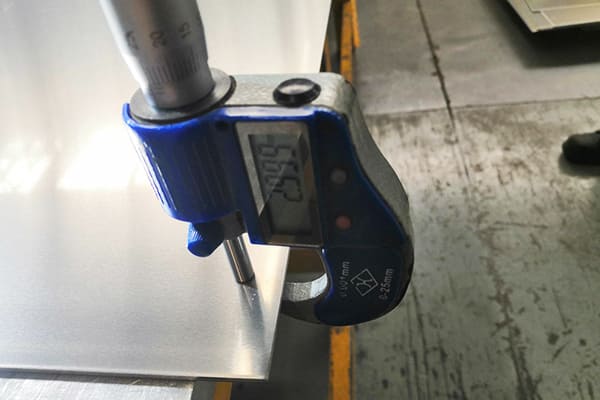
Huasheng 3mm 5083 H111 Aluminum Plate
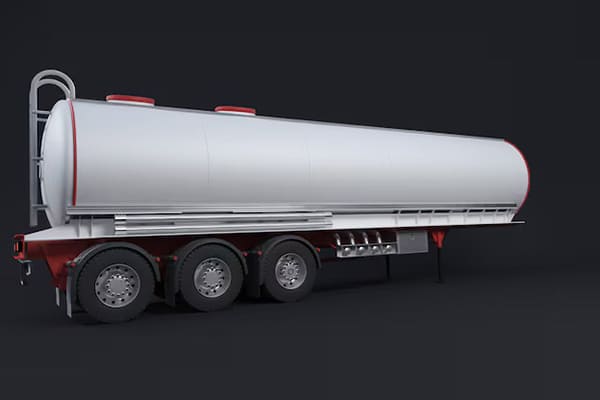
Typical uses: road tanker bodies (non-pressurized fuels, edible oils, water), ISO tank containers, rail tank wagons for compatible liquids, mobile storage units.
Why 5083: weight savings increase payload and fuel economy; corrosion resistance reduces life-cycle costs; weldability enables fabrication of large, lightweight shells.
Typical thickness guidance (indicative)
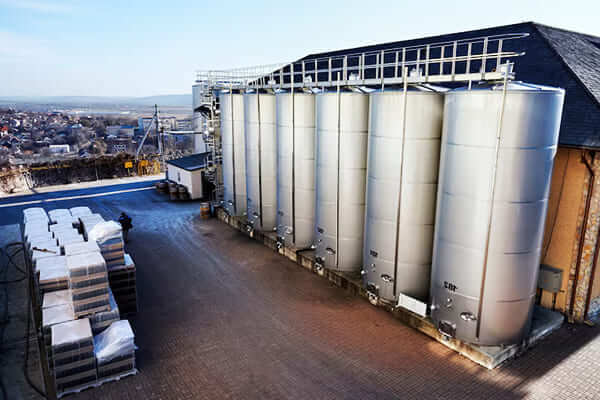
Typical uses: atmospheric process tanks, utility storage (potable water, process fluids), fuel storage for power generation, mobile buffer tanks, oil separation and treatment tanks.
Why 5083: good corrosion resistance in many process environments, lower weight simplifies installation and reduces foundation costs, and aluminium avoids rust contamination for sensitive fluids.
Typical thickness guidance (indicative)
Industrial and energy storage
Typical uses: refrigerated distribution tanks, tanks for liquefied gases at modest cryogenic temperatures (refrigerants, LNG precursors in some designs), refrigerated transport tanks.
Why 5083: retains ductility and toughness down to very low temperatures, reducing brittle-fracture risk that affects some steels and heat-treatable aluminum alloys.
Typical thickness guidance (indicative)
Ventajas u 5083 H111 Aluminum Plate for Tank Bodies
While generally corrosion-resistant, 5083 can be affected by:
Effective strategies include:
Depending on service conditions:
Regular inspection, cleaning, and thickness monitoring ensure long-term integrity and early detection of localized corrosion.
Despite its strengths, 5083 H111 has limitations that must be managed:
| Propiedad / Topic | 5083-H111 (Ti' le) | Carbon steel (p'el ej.., A36) | 316L Stainless Steel | 6061-T6 (Ti' le) | FRP / GRP (composite) |
|---|---|---|---|---|---|
| Densidad (g·cm⁻³) | 2.66 | ~7.85 | ~8.0 | ~2.70 | ~1.6–2.0 |
| Yield strength (≈) | 150–220 MPa | ~250 MPa | ~170–300 MPa | ~240–275 MPa | ~40–200 MPa (highly dependent on layup) |
| Ultimate tensile (≈) | 290–320 MPa | ~400–550 MPa | ~480–600 MPa | ~310–350 MPa | ~100–600 MPa (grade-dependent) |
| Modulus of elasticity (E) | ≈ 68 GPa | ≈ 200 GPa | ≈ 200 GPa | ≈ 69 GPa | ~10–40 GPa (anisotropic) |
| Resistencia le corrosión | Excellent in seawater / chloride environments (with proper design) | Poor in chloride; requires coatings or cathodic protection | Jach ma'alo'ob (very good resistance to chlorides and many chemicals) | Moderate — poorer than 5xxx series in seawater; susceptible to localized corrosion when welded without care | Ma'alob (formulations vary); very good for many chemistries but sensitive to UV, temperature and permeation |
| Soldabilidad | Very good (MIG/TIG/FSW; retains good post-weld strength) | Jach ma'alo'ob; mature processes | Ma'alob | Ma'alob, but weld HAZ softening reduces strength | Poor to moderate — joins often by adhesive, resin infusion or mechanical fastening; specialized practice |
| Conformabilidad / Fabrication | Good — roll, Wuts'ik, stretch formable | Excellent for heavy fabrication; easy to weld & form | Moderate—formable but springback and cold work considerations; heavier to handle | Ma'alob (but springback similar to other Al alloys); easier to machine | Very good for moulded shapes; complex shapes possible without welding |
| Reciclabilidad / sustainability | Jach ma'alo'ob | Ma'alob | Ma'alob | Jach ma'alo'ob | Variable |
5083 H111 aluminum plate is a mature, proven, and highly reliable material for tank body applications. Its combination of corrosion resistance, Soldabilidad, low-temperature toughness, and weight efficiency makes it particularly well-suited to marine, transporte, and industrial storage tanks.
When properly designed, fabricated, and protected, tank bodies made from 5083 H111 aluminum plate can deliver long service life, reduced maintenance, and excellent operational performance.
Successful application depends on understanding both its strengths and its limitations, supported by sound engineering practice and quality control.
Ku k'áatik 1: Leti' 5083 H111 suitable for cryogenic tanks?
Je'el. Its excellent toughness at low temperatures makes it suitable for many cryogenic and refrigerated tank applications, subject to proper design and insulation.
K'áatik 2: Does welding significantly reduce strength?
5083 retains a relatively high proportion of its strength after welding compared with heat-treatable aluminum alloys, making it ideal for welded tanks.
Ku k'áatik 3: Enlatar 5083 H111 replace steel tanks in all cases?
Not always. For high-pressure or high-temperature tanks, steel or other alloys may be more appropriate. Material selection must follow applicable codes and service requirements.
Ku k'áatik 4: How long can a 5083 aluminum tank last?
With proper design, corrosion control, and maintenance, service lives of several decades are achievable, especialmente tu entornos marinos yéetel industriales.
K'áatik 5: Is coating always necessary?
Not always. In many environments, bare 5083 performs well. Coatings are typically applied for aesthetic reasons, splash zones, aggressive exposure, or to manage galvanic interactions.

Henan Huasheng Aluminio Co., Ltd (HHALU utia'al u abreviar), establecida ti' 2001, Kula'an tu kaajil Huiguo, le famosa capital u aluminio u provincia u Henan, Leti' jump'éel fabricante ku yéetel ku meentik le investigación, ma'alo'ob, producción, sales and service of aluminio sheet plate, bobina aluminio, ju'un aluminio, Ch'íin aluminio yéetel wóoliso' aluminio.
Beey xan, HHALU xan ku placas aluminio yo'osal le construcción yéetel le chéem, placa néeno' aluminio, ka placa aleación aluminio automotriz.
No.53, Bejo' u Dongming, Zhengzhou, Henan, China
P'iskambal autor © Huasheng Aluminium 2025. Tuláakal le p'iskambal reservados.
