In the ever-evolving automotive industry, innovation and performance enhancement are at the forefront of manufacturers’ and enthusiasts’ minds. One such innovation that has gained significant traction is the use of aluminum sheet for car hood.
This comprehensive guide aims to delve into the multifaceted world of aluminum sheets, elucidating their benefits, types, specifications, and practical applications, especially focusing on their role in upgrading and customizing vehicle exteriors.
Whether you’re a professional mechanic, an automotive enthusiast, or a DIY hobbyist, understanding the nuances of aluminum sheets will empower you to make informed decisions and achieve superior results.

Aluminum sheet for car hood
Aluminum, a lightweight metal with excellent strength-to-weight ratio, corrosion resistance, and versatility, has become a favored material in automotive manufacturing and customization.
Its application in car hoods not only reduces overall vehicle weight but also enhances performance, fuel efficiency, and safety.
| Feature | Benefits | Supporting Data |
|---|---|---|
| Lightweight | Reduces vehicle weight by approximately 30-40% compared to steel, improving fuel efficiency | According to the U.S. Department of Energy, reducing weight by 10% can improve fuel economy by 6-8% |
| Corrosion Resistance | Enhances durability and lifespan of the vehicle | Aluminum naturally forms a protective oxide layer, resisting corrosion in various environments |
| Strength-to-Weight Ratio | Maintains structural integrity while reducing mass | Aluminum alloys like 6061 and 7075 exhibit high tensile strength suitable for structural components |
| Recyclability | Environmentally friendly, recyclable without quality loss | Over 75% of aluminum ever produced is still in use today |
Selecting the appropriate aluminum sheet is crucial for optimal performance and aesthetic appeal.
The primary classifications include different alloy series, temper designations, and surface finishes.
| Alloy Series | Characteristics | Typical Uses | Advantages |
|---|---|---|---|
| 6061 | Versatile, good corrosion resistance, excellent weldability | Structural components, aftermarket hoods | Balance of strength, weight, and machinability |
| 5052 | Excellent corrosion resistance, moderate strength | Marine-grade applications, custom hoods | Superior corrosion resistance in harsh environments |
| 7075 | High strength, lightweight, less corrosion resistant | High-performance racing hoods | Exceptional strength-to-weight ratio |
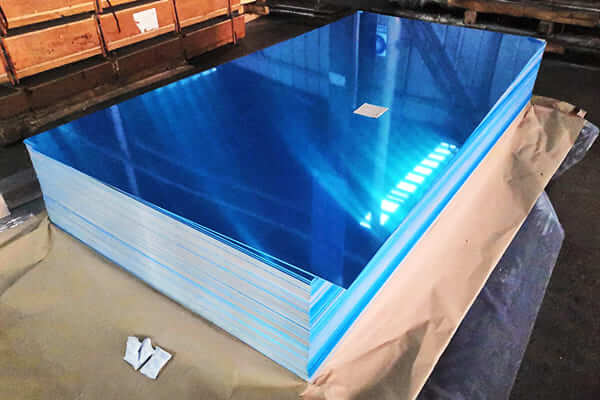
6061 aluminum sheet for car hood
| Temper | Description | Implications for Use |
|---|---|---|
| O (annealed) | Soft, ductile | Suitable for bending and forming |
| T4 | Solution heat-treated and naturally aged | Good formability and moderate strength |
| T6 | Artificially aged after solution heat treatment | Highest strength, less formable |
| Finish | Description | Application |
|---|---|---|
| Mill finish | Raw surface, may have minor imperfections | Cost-effective, initial prototyping |
| Polished | Smooth, reflective surface | Aesthetic enhancements |
| Anodized | Electrochemical surface treatment for increased corrosion resistance | Protective and decorative purposes |
Creating a durable, lightweight, and aesthetically pleasing aluminum hood involves precise manufacturing processes. These include:
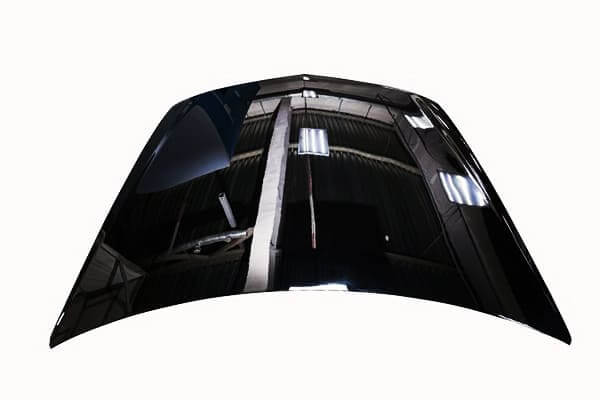
Colored aluminum sheet for car hood
| Aspect | Aluminum Sheets | Steel Hoods |
|---|---|---|
| Weight | 30-40% lighter | Significantly heavier |
| Corrosion Resistance | Naturally resistant | Usually coated or treated |
| Recyclability | 100% recyclable, retains properties | Recyclable, but more energy-intensive |
| Design Flexibility | Easier to mold into complex shapes | Limited formability |
| Cost | Higher initial cost but offsets through performance gains | Generally lower cost |
| Property | Aluminum (6061) | Steel (ST12) | Difference |
|---|---|---|---|
| Density | 2.70 g/cm³ | 7.85 g/cm³ | ~73% lighter |
| Tensile Strength | 290 MPa | 370 MPa | Slightly lower but sufficient for hoods |
| Elastic Modulus | 69 GPa | 200 GPa | More flexible in aluminum |
A renowned racing team replaced steel hoods with aluminum variants, resulting in a weight reduction of approximately 25 kg per vehicle. This contributed to a notable increase in acceleration and handling.
Custom builders utilized 6061 aluminum sheets to craft bespoke hoods with intricate curves and vents, achieving a combination of aesthetics and performance while significantly reducing weight.
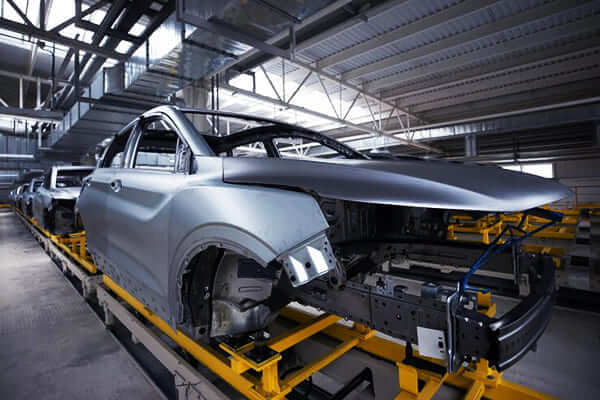
Applications of aluminum car hood
Huasheng Aluminum stands out as a leading supplier of high-quality aluminum sheets tailored for automotive applications. Their offerings include:
Choosing Huasheng Aluminum ensures your project benefits from reliable material quality, technical expertise, and innovative solutions tailored to automotive customization.
| Product | Alloy | Thickness Range | Surface Finish | Price Range (per m²) | Suitable for |
|---|---|---|---|---|---|
| Huasheng 6061-T6 | 6061 | 0.8mm – 2.0mm | Mill, anodized | $25 – $40 | Structural, aesthetic upgrades |
| Huasheng 5052-H32 | 5052 | 1.0mm – 2.0mm | Polished | $30 – $45 | Marine-grade, corrosion-resistant hoods |
| Alternative 7075 | 7075 | 1.0mm – 1.5mm | Anodized | $50 – $70 | High-strength racing hoods |
Yes, aluminum offers a compelling alternative due to its lightweight nature, corrosion resistance, and ease of shaping. However, it requires different fabrication techniques and considerations for durability.
While carbon fiber boasts even lighter weight and high strength, aluminum is generally more affordable, easier to repair, and more recyclable. The choice depends on budget, performance needs, and aesthetic preferences.
Yes, with proper equipment and skills, welding aluminum is feasible. TIG welding is preferred for precision and strength. For complex or structural applications, professional welding is recommended.
Aluminum is more ductile than steel but can dent under significant impact. Proper design and reinforcement can mitigate this risk.
Upgrading your vehicle with aluminum sheet for car hood isn’t just a trend—it’s a strategic move towards improved performance, aesthetics, and sustainability.
With a thorough understanding of alloy options, fabrication techniques, and supplier capabilities such as those offered by Huasheng Aluminum, enthusiasts and professionals alike can achieve remarkable results.
Embracing aluminum’s advantages can lead to a lighter, more durable, and visually striking vehicle that stands out on the road.
Note: This guide emphasizes the importance of choosing high-quality aluminum sheets like those from Huasheng Aluminum to ensure safety, durability, and optimal performance. Always consult with professionals or manufacturers for customized solutions tailored to your specific vehicle and project needs.
PDF Download:Download

Henan Huasheng Aluminum Co., Ltd (HHALU for short), established in 2001, is located in Huiguo Town, the famous Aluminum capital of Henan Province, It's a professional manufacturer and engages in the research, development, production, sales and service of aluminum sheet plate, aluminum coil, aluminum foil, aluminum strip and aluminum circle.
In addition, HHALU also sell aluminum plate for construction and ships, aluminum mirror plate, and automotive aluminum alloy plate.
No.53, Dongming Road, Zhengzhou, Henan, China
Copyright © Huasheng Aluminum 2025. All rights reserved.
