Look around you. Chances are, you are within arm’s reach of aluminum. It’s in your smartphone, the window frame, the car you drive, and the soda can you drink from. This silvery-white metal is the most abundant metallic element in the Earth’s crust, but its journey to ubiquity is a story of science and innovation.
So, what is aluminum used for specifically? The short answer is: almost everything. But to truly understand its value, we need to look beyond a simple list of products. We must explore the core properties that make aluminum the material of choice for countless industries. As a leading supplier, Huasheng Aluminum provides the foundation for these innovations, and in this guide, we will explore the applications that shape our world.
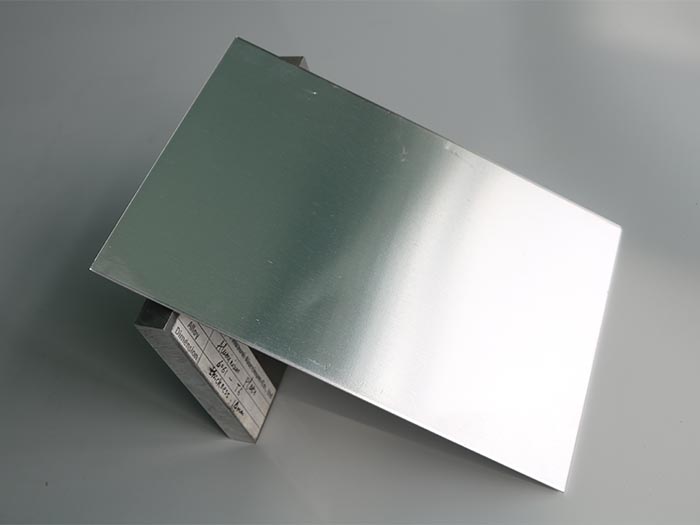
Before we detail its uses, it’s crucial to understand why engineers and designers choose aluminum. Its popularity isn’t accidental; it stems from a unique combination of beneficial characteristics.
| Property | Description | Key Application Example |
| Lightweight | Aluminum’s density is about one-third that of steel or copper. | Aerospace: Lighter aircraft consume less fuel and have a greater payload capacity. |
| High Strength-to-Weight Ratio | When alloyed with other elements, aluminum can achieve strengths comparable to steel at a fraction of the weight. | Automotive: Vehicle frames and body panels become stronger and safer without adding excess weight, improving fuel efficiency. |
| Corrosion Resistance | Aluminum naturally generates a protective oxide layer on its surface, preventing rust and degradation. | Building & Construction: Window frames, facades, and roofing last for decades with minimal maintenance, even in harsh weather. |
| Excellent Conductivity | It is a highly effective conductor of both heat and electricity, second only to copper in many applications. | Electrical & Electronics: Used in high-voltage power lines and as heat sinks in computers and LEDs to dissipate heat efficiently. |
| Ductility & Malleability | Aluminum can be easily drawn into wires (ductility) or hammered and pressed into thin sheets (malleability) without breaking. | Packaging: Easily formed into the complex shape of a beverage can or rolled into ultra-thin foil. |
| 100% Recyclability | Aluminum can be recycled indefinitely without losing its inherent properties. Recycling it uses only 5% of the energy needed to produce new aluminum. | Circular Economy: Used beverage cans can be recycled and back on the shelf in as little as 60 days. |
These properties work in concert, making aluminum a uniquely versatile and sustainable material. Now, let’s explore the specific aluminum applications these properties enable.
At Huasheng Aluminum, we see firsthand how different sectors leverage this remarkable metal. Here are the primary industries where aluminum is not just an option, but a necessity.
Weight is the enemy of efficiency in transportation. This is where aluminum shines.
Aerospace: From the Wright brothers’ first engine to modern jumbo jets and spacecraft, aluminum alloys have been the backbone of the aerospace industry. They provide the structural integrity needed to withstand extreme pressures and temperatures while keeping the aircraft light enough to fly efficiently.
Automotive: Automakers increasingly use aluminum for everything from engine blocks and wheels to body panels and chassis. This shift directly addresses the demand for better fuel economy and reduced emissions. A lighter car requires less energy to move, whether it’s powered by gasoline or a battery.
High-Speed Rail & Marine: For high-speed trains, light-weighting is essential for achieving top speeds and reducing track wear. In marine environments, aluminum’s exceptional corrosion resistance makes it ideal for building ships, boats, and offshore platforms that endure constant exposure to saltwater.
In construction, longevity and design flexibility are key. Aluminum delivers both.
Windows, Doors, and Façades: Aluminum extrusions allow for strong, slim, and durable window and door frames that maximize glass area and require virtually no maintenance. Architects also use aluminum panels to create stunning, modern building façades that are both lightweight and weather-resistant.
Structural Applications: From long-span roofing systems for stadiums to pedestrian bridges, aluminum’s strength-to-weight ratio allows for impressive structures that would be impractical or too heavy to build with traditional materials.
When you think of what aluminum is used for in daily life, the beverage can is the most iconic example.
Beverage Cans: The aluminum can is a marvel of engineering. It is lightweight, cools quickly, is unbreakable, and provides a complete barrier to light and oxygen, protecting the flavor and freshness of the contents. Its immense recyclability makes it a poster child for a sustainable circular economy.
Foil and Flexible Packaging: Aluminum foil is indispensable in the kitchen and in commercial food packaging. Its barrier properties keep food safe from moisture, bacteria, and contamination. You’ll find it in everything from yogurt lids and juice pouches to pharmaceutical blister packs.
While copper is a famous conductor, aluminum offers a compelling alternative.
Power Transmission: Because of its high conductivity and low density, aluminum is the material of choice for most overhead high-voltage power lines. It provides the same performance as a much heavier and more expensive copper cable.
Consumer Electronics: The sleek, premium feel of your laptop, tablet, or smartphone is often thanks to a machined aluminum body. More importantly, aluminum acts as an excellent heat sink, drawing heat away from processors and other critical components to prevent overheating.
The applications of aluminum extend far beyond these major industries. Its versatility allows it to penetrate nearly every aspect of our lives.
Consumer Goods: Cookware (for its excellent heat conduction), outdoor furniture (for its weather resistance), and high-performance sports equipment like bicycle frames and baseball bats (for its strength and lightness).
Medical & Healthcare: Surgical instruments, orthopedic supports, and mobility aids like walkers and wheelchairs benefit from being lightweight, easy to sterilize, and non-corrosive.
Art & Design: Sculptors and designers prize aluminum for its lustrous finish and the ease with which it can be shaped, cast, and finished.
The story of aluminum is still being written. Its role is set to expand, driven by two key factors: sustainability and technological advancement.
As the world pushes for a greener economy, aluminum’s recyclability is its greatest asset. At Huasheng Aluminum, we are committed to sustainable practices, recognizing that using recycled aluminum significantly reduces our carbon footprint.
Furthermore, new aluminum alloys are constantly being developed to be stronger, more durable, and tailored for next-generation applications like electric vehicle battery enclosures, advanced 3D printing, and frames for solar panels and wind turbines.

Henan Huasheng Aluminum Co., Ltd (HHALU for short), established in 2001, is located in Huiguo Town, the famous Aluminum capital of Henan Province, It's a professional manufacturer and engages in the research, development, production, sales and service of aluminum sheet plate, aluminum coil, aluminum foil, aluminum strip and aluminum circle.
In addition, HHALU also sell aluminum plate for construction and ships, aluminum mirror plate, and automotive aluminum alloy plate.
No.53, Dongming Road, Zhengzhou, Henan, China
Copyright © Huasheng Aluminum 2025. All rights reserved.
