When it comes to cutting aluminum sheet metal, having the right tool for the job is crucial. Whether you’re working on a small DIY project or a large-scale industrial operation, selecting the most suitable cutting method can significantly impact your efficiency, cost, and final product quality.
In this comprehensive guide, we’ll explore six common methods for cutting aluminum sheet metal, each with its own set of advantages and considerations.
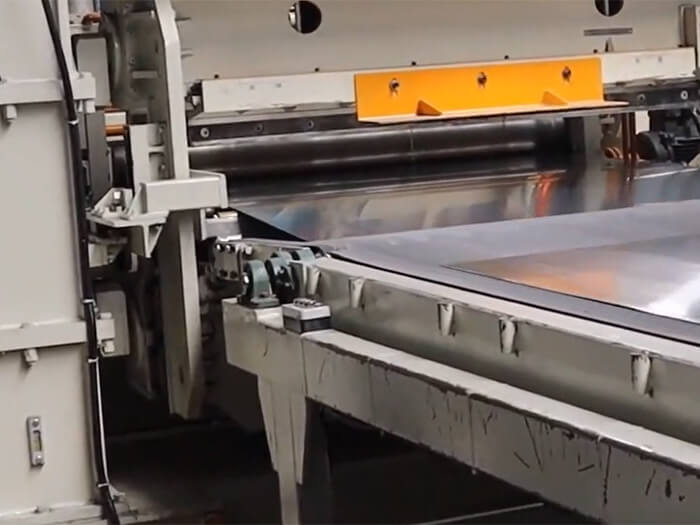
Shearing machines are a popular choice for cutting thin aluminum sheets, typically ranging from 1 to 6mm in thickness. These machines are known for their ability to handle large areas with simple shapes efficiently. The equipment cost for shearing machines is moderate, and their operating costs are relatively low, primarily consisting of machine maintenance and electricity expenses.
One of the main benefits of using a shearing machine is its high cutting efficiency. If you’re working on a project that requires cutting large sheets into specific sizes with straightforward shapes, a shearing machine can get the job done quickly.
However, it’s worth noting that the cutting precision of shearing machines is average, and they may not be the best option for intricate or complex shapes. So, while they excel at straightforward cuts, might they not be the ideal choice if your project demands detailed patterns.
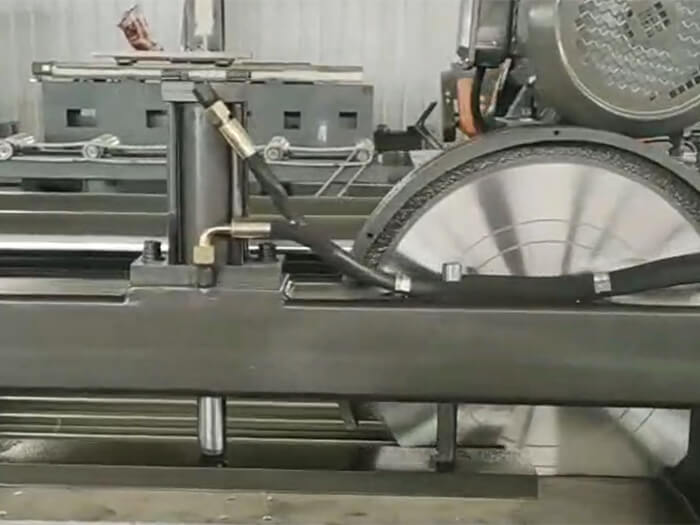
For aluminum sheets with a thickness ranging from 7 to 150mm, high-speed circular saws are a viable option. These saws offer a good balance between equipment and operating costs, both of which are considered moderate. The primary operating costs stem from blade replacement and maintenance.
The standout feature of high-speed circular saws is their fast cutting speed, making them suitable for straight cuts. If your project involves cutting aluminum sheets into straight edges or specific lengths, this method can save you a significant amount of time.
Nevertheless, there are a couple of drawbacks to consider. High-speed circular saws may produce more waste during the cutting process, and the blades require regular replacement to maintain optimal performance. So, while they are efficient for straight cuts, you’ll need to factor in the additional costs and efforts associated with blade management.
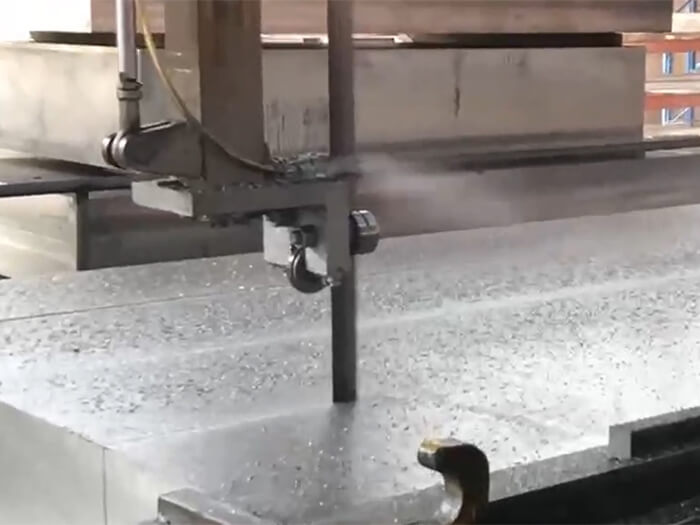
When dealing with aluminum sheets thicker than 150mm, fully automatic high-speed vertical saws come into play. These advanced machines boast high precision and are particularly well-suited for mass production environments.
Although the initial equipment cost is high, the moderate operating costs can be offset by the labor savings resulting from the machine’s high automation level. However, it’s important to account for ongoing expenses related to equipment maintenance and blade replacements.
The precision and efficiency of fully automatic high-speed vertical saws make them an excellent choice for large-scale operations where consistency and accuracy are paramount. If your business involves cutting thick aluminum sheets in high volumes, investing in this technology can lead to long-term benefits and improved production quality.
Just be prepared for the significant upfront investment and the need for skilled operators to maximize the machine’s potential.
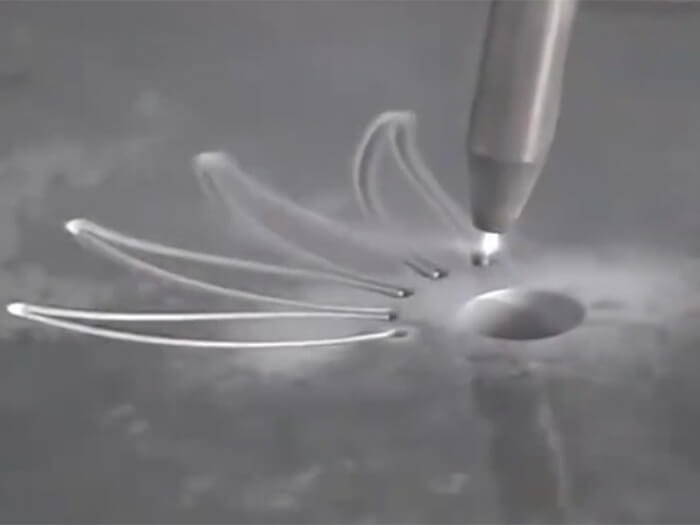
Water jet cutting stands out as a versatile method for cutting aluminum sheets with thicknesses of less than 100mm. While the equipment cost is on the higher side, and operating costs are relatively high due to the consumption of large amounts of water and additives, this method offers unique advantages.
The low cutting temperature prevents material deformation, making it suitable for intricate shapes that would be difficult to achieve with other methods.
If your project requires detailed patterns or complex designs, water jet cutting can produce exceptional results without causing damage to the material. However, the slower cutting speed and higher operational costs mean that this method may not be the most efficient choice for simple or high-volume cuts.
It’s a specialized option that shines when precision and complexity are top priorities, despite the associated cost implications.
Laser cutting is a powerful technique that works well for aluminum sheets, although it’s generally not recommended for sheets thicker than 40mm. For smoother finishes on parts, especially for sheets thicker than 20mm, water jet cutting technology might be a better alternative.
The equipment cost for laser cutting machines is very high, and operating costs are medium to high, considering factors like electricity consumption, lens maintenance and replacement, and gas usage.
Despite the costs, laser cutting offers high precision and fast cutting speeds, making it an excellent choice for intricate shapes and detailed work. If your project demands both speed and accuracy, and you’re working within the recommended thickness range, laser cutting can deliver impressive results.
However, the high equipment cost and the need for skilled operators to manage the complex machinery are important considerations that may influence your decision to adopt this technology.

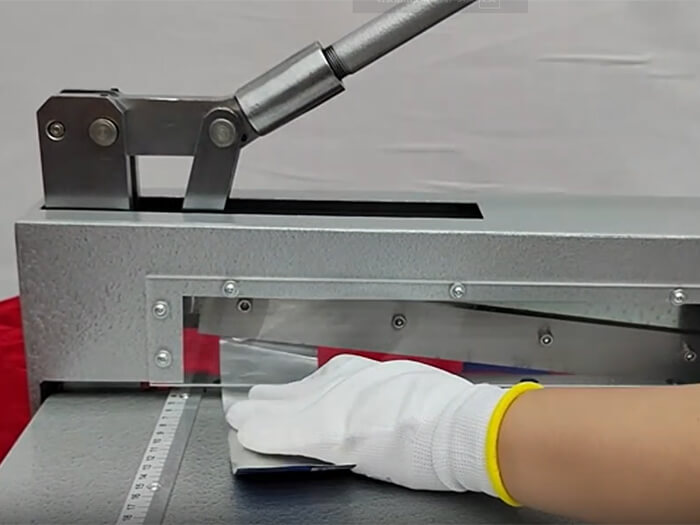
For small-scale production or custom tasks, manual aluminum cutters provide a cost-effective solution. These tools are not recommended for sheets thicker than 2mm but can be sufficient for thinner materials. The equipment cost is low, and operating costs are relatively low as well, mainly involving labor, blade replacement, and basic maintenance.
Manual aluminum cutters are ideal for projects with limited budgets or when only a small number of cuts are required. With some basic training, operators can achieve satisfactory results for simple cutting.
However, this method does require more manual labor, has a relatively slower cutting speed, and may lack the precision of more advanced technological methods. It’s best reserved for situations where the scale of the project doesn’t justify the investment in more sophisticated equipment.
The choice of cutting method ultimately depends on your specific project requirements, including factors like aluminum sheet thickness, the complexity of the shapes you need to cut, your budget constraints, and the scale of production.
Each of the six methods discussed has its own set of strengths and, limitations making them suitable for different scenarios.
For instance, if you’re working on a large-scale industrial project involving thick aluminum sheets, a fully automatic high-speed vertical saw or laser cutting machine might be the most efficient and precise option, despite the higher costs.
On the other hand, for a small DIY project with thin aluminum sheets and simple shapes, a manual aluminum cutter or shearing machine could provide a more economical solution without compromising on basic functionality.
It’s also worth considering the long-term implications of your choice. While some methods may have lower upfront costs, they might incur higher ongoing expenses or offer less versatility for future projects.
Conversely, investing in a more advanced cutting technology might seem expensive initially but could lead to significant time and cost savings over time, especially if you frequently work with aluminum sheets.
Cutting aluminum sheet metal effectively requires careful consideration of various cutting methods and their respective features.
By understanding the capabilities, cost structures, and suitability of shearing machines, high-speed circular saws, fully automatic high-speed vertical saws, water jet cutting, laser cutting, and manual aluminum cutters, you can make an informed decision that aligns with your project’s unique demands.
Remember that there’s no one-size-fits-all solution. The best approach is to assess your specific needs, evaluate the pros and cons of each method, and choose the one that offers the optimal balance of cost, efficiency, and precision for your particular application.
Whether you’re a professional manufacturer or a hobbyist working with aluminum sheets, selecting the right cutting method will undoubtedly enhance your project outcomes and overall experience in metalworking.

Henan Huasheng Aluminum Co., Ltd (HHALU for short), established in 2001, is located in Huiguo Town, the famous Aluminum capital of Henan Province, It's a professional manufacturer and engages in the research, development, production, sales and service of aluminum sheet plate, aluminum coil, aluminum foil, aluminum strip and aluminum circle.
In addition, HHALU also sell aluminum plate for construction and ships, aluminum mirror plate, and automotive aluminum alloy plate.
No.53, Dongming Road, Zhengzhou, Henan, China
Copyright © Huasheng Aluminum 2025. All rights reserved.
