Aluminum foil is a common household material used for cooking, food storage, and various other applications. However, concerns about its safety have been raised, particularly regarding potential aluminum migration into food. In this article, we will explore whether aluminum foil is toxic, how it interacts with food, and what precautions can be taken to minimize risks.
No, aluminum foil itself is not inherently hazardous to health. It is widely used in food packaging and cooking due to its durability and ability to resist moisture, light, and bacteria. However, certain conditions can cause aluminum ions to migrate into food, which may raise health concerns.
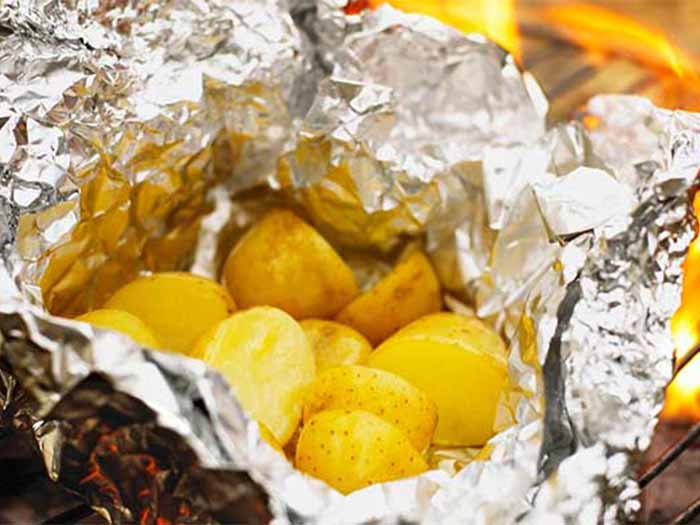
Aluminum migration occurs when the foil comes into contact with acidic or salty foods. The chemical reactions between aluminum and these substances can cause small amounts of aluminum to dissolve into the food. While regulatory bodies have set migration limits, prolonged exposure to high amounts of aluminum can be a concern.
| Factor | Effect on Aluminum Migration |
|---|---|
| Acidic foods (e.g., tomatoes, citrus fruits) | Increases aluminum leaching into food |
| Salty foods (e.g., cured meats, pickles) | Enhances aluminum transfer |
| Cooking at high temperatures | Accelerates the breakdown of the foil |
| Wrapping dry foods (e.g., bread, rice) | Minimal or no aluminum transfer |
The human body is exposed to aluminum from various sources, including food, water, medications, and packaging materials like aluminum foil. While small amounts of aluminum are not harmful, excessive accumulation in the body has been linked to potential health risks.
| Health Concern | Scientific Evidence |
|---|---|
| Alzheimer’s Disease | Some studies suggest a correlation between high aluminum exposure and Alzheimer’s, but no conclusive evidence confirms aluminum as a direct cause. |
| Kidney Disease | People with impaired kidney function have difficulty eliminating excess aluminum, which can lead to toxicity. |
| Bone Disorders | High aluminum levels may interfere with calcium absorption, leading to weaker bones. |
| Neurological Effects | In rare cases, high aluminum accumulation has been linked to cognitive and behavioral changes. |
Despite these concerns, regulatory bodies, such as the European Food Safety Authority (EFSA) and the U.S. Food and Drug Administration (FDA), have deemed normal dietary exposure to aluminum safe for the general population.
Governments and health organizations worldwide have established guidelines to ensure aluminum exposure remains within safe limits.
| Regulatory Body | Migration Limit |
|---|---|
| European Food Safety Authority (EFSA) | 5 mg per kg of food as a precautionary limit |
| U.S. Food and Drug Administration (FDA) | No specific migration limit but considers aluminum safe for food use |
| World Health Organization (WHO) | 40 mg per kg of body weight per week (tolerable intake) |
These regulations help ensure that aluminum foil, when used correctly, does not pose significant health risks.
To minimize the risk of aluminum migration into food, consider the following safety precautions:
When wrapping or cooking acidic foods like tomatoes, vinegar-based dishes, or citrus fruits, opt for glass or stainless steel containers instead.
| Food Type | Alternative Packaging |
|---|---|
| Tomato-based dishes | Glass or ceramic wrap |
| Pickles and fermented foods | Stainless steel containers |
| Lemon-marinated meats | Silicone or parchment paper |
When baking or roasting with aluminum foil, placing a layer of parchment paper between the food and the foil can help reduce aluminum migration.
Storing food in aluminum foil for extended periods increases the likelihood of aluminum transfer. Instead, use airtight plastic or glass containers.
| Storage Duration | Recommended Container |
|---|---|
| Short-term (few hours) | Aluminum foil or wax paper |
| Long-term (overnight or more) | Glass or BPA-free plastic containers |
Using metal utensils on aluminum foil or cooking trays can release more aluminum particles into food. Opt for wooden or silicone utensils instead.
Aluminum foil is generally safe for cooking and food storage when used correctly. The key is to avoid excessive exposure by limiting its contact with acidic or salty foods and following best practices for safe usage. Regulatory agencies have set precautionary limits to ensure public safety, and as long as these guidelines are followed, aluminum foil remains a convenient and effective food packaging material.
By being mindful of how we use aluminum foil, we can continue to enjoy its benefits without unnecessary health risks.

Henan Huasheng Aluminum Co., Ltd (HHALU for short), established in 2001, is located in Huiguo Town, the famous Aluminum capital of Henan Province, It's a professional manufacturer and engages in the research, development, production, sales and service of aluminum sheet plate, aluminum coil, aluminum foil, aluminum strip and aluminum circle.
In addition, HHALU also sell aluminum plate for construction and ships, aluminum mirror plate, and automotive aluminum alloy plate.
No.53, Dongming Road, Zhengzhou, Henan, China
Copyright © Huasheng Aluminum 2025. All rights reserved.
